
Tenants Are Essential In Selling Your Rental Property

Selling Your Investment Property: Essential Considerations When Selling Your Rental Property Deciding to sell your investment property can be a significant decision, particularly in today’s dynamic real estate market. It’s essential to navigate this process carefully, especially when dealing with tenants, who play a critical role in how smoothly the sale proceeds. Tenants can affect not only the presentation of the property but also the negotiations and final sale price. Here are several factors to keep in mind when selling your rental property, including strategies to ensure a successful sale while maintaining good relationships with your tenants. When selling your rental property, it’s important to understand the market trends that could influence your sale. Collaboration with Tenants When selling a property that’s occupied by tenants, their cooperation is crucial. As they reside in the home, their willingness to maintain the property’s condition can significantly impact potential buyers’ impressions. A tidy, well-maintained home can make a substantial difference in the sales process. Therefore, it’s vital to acknowledge their role and to engage them positively. Highlighting the benefits of a successful sale for both parties can foster a collaborative environment. Having tenants who are aware of selling your rental property can also ease the process. Building a Positive Relationship 1. Communication: Start by having an open conversation with your tenants about your plans to sell. Discuss how they can contribute to this process positively. Effective communication can improve tenant relations while selling your rental property. 4. Transparency: Be transparent with your tenants regarding the selling process. Let them know what to expect and the timeline involved. This will help manage their expectations and reduce anxiety. Keeping them informed can lead to their increased willingness to cooperate during showings and inspections. 2. Incentives: Consider offering incentives to your tenants for their cooperation, whether it’s a rent reduction or a small bonus. A motivated tenant is more likely to keep the home in excellent condition. Incentives can motivate tenants to assist you in selling your rental property effectively. 3. Flexibility: Make it easier for tenants by providing flexible showing times. Instead of delivering notices for every viewing, work with them to schedule convenient times for buyer visits. 4. Professionalism: Always approach the situation with professionalism. Tenants are more likely to respond positively if they feel respected. A professional approach can also alleviate any fears they might have about the sale affecting their living situation. Professionalism in dealings can ease concerns about selling your rental property among tenants. Preparing Your Property for Viewings Tenants have control over how your property presents itself during showings, which makes their cooperation essential. Here are key aspects to ensure it looks its best and appeals to potential buyers: Preparing for viewings is critical when selling your rental property. 1. Cleanliness: Ensure the property is clean and tidy, with the exterior well-maintained, such as a mowed lawn or cleared snow. 4. Staging Assistance: Consider offering assistance in staging the property for viewings. Providing tenants with some guidance on how to present their home can enhance its market appeal. This could involve temporary rearrangements or decluttering advice that doesn’t disrupt their daily life but improves visibility during showings. Effective staging plays a role in selling your rental property quickly. 2. Privacy Concerns: Understand that tenants may be uncomfortable with pictures being taken of their personal belongings. Discuss how the property will be advertised and ensure their privacy is respected. 3. Pet Management: If your tenants have pets, discuss arrangements for showings. Pets can be a distraction, so having them looked after or removed during viewings can help. Consider how tenants manage pets during the selling your rental property process. Understanding the Tenant’s Future The question of whether tenants will remain in the home after the sale often arises. It’s best to address this upfront to avoid misunderstandings later. Open discussions about their intentions after the sale can help solidify a clear path forward, whether that means they will continue their tenancy or prepare for relocation. Understanding tenant intentions is vital when selling your rental property. Tenant Possession and Legal Considerations 1. Lease Agreements: If a lease is in place, there is no legal way to force tenants out before it ends. Negotiation with the tenants is the primary option. Lease agreements can complicate selling your rental property if not handled properly. 2. Vacant Possession Requests: If a prospective buyer requests vacant possession, be aware of the legal requirements. The N12 form allows a buyer to serve a 60-day notice if they plan to live on the property themselves. However, evicting tenants may take longer than this period due to legal processes. 3. Sale Agreements: Standard purchase agreements often require vacant possession. Ensure sufficient time is allowed for eviction if needed, to avoid breaching the sale agreement. 4. Tenant Rights Awareness: Ensure that you have a solid understanding of tenant rights and obligations. Familiarise yourself with local laws that pertain to notice periods and tenant rights regarding property sales to avoid legal complications during the process. Legal and Practical Implications When selling a rented property, understanding your legal obligations and practical implications is vital. Here are some key points to consider that can ensure compliance and facilitate a smoother transaction: – Be aware of tenancy laws in your area to ensure compliance and avoid any legal issues. – Consult with a real estate professional or legal advisor to guide you through the nuances of selling an occupied property. – Plan for possible scenarios where tenants may not agree to move out, which could delay your sale. – Be aware of tenancy laws in your area to ensure compliance and avoid any legal issues. This can include understanding the different types of tenancies and what that means for your obligations as a landlord. – Consult with a real estate professional or legal advisor to guide you through the nuances of selling an occupied property. They can provide insights into the market and assist in developing a strategic plan for your sale. –
How To Price New Rental Properties

Effective Pricing Strategies for Rental Properties: Avoiding Vacancies Pricing a rental property accurately is crucial to avoiding prolonged vacancies and reducing overall carrying costs. When a new condo building enters the market, setting the highest rent can be challenging due to the principles of supply and demand. Suddenly, hundreds of units with the same address become available, some of which will be owner-occupied, others up for resale, and many intended as rental properties. To better understand this, consider the local economic factors, such as job growth and population changes, that can impact demand for rental properties. For instance, if a major employer opens a new office nearby, the influx of workers can increase competition for available rentals, prompting a shift in pricing strategies. Understanding the dynamics of rental properties in the current market can be vital for your success. Imagine you’ve just purchased a new property. Market research indicates that similar units rent for approximately £2,000 per month. However, what happens when 20 other units in the same building, featuring similar finishes, also become available? Additionally, another new building in the area can impact your investment. As a property manager, I frequently observe these scenarios where oversupply leads to a downward pressure on prices. This situation necessitates a careful analysis of how to position your rental unit competitively amidst the growing options for potential tenants. In the context of rental properties, it’s essential to assess how your unit stands compared to the competition. Investors often hesitate, hoping for more money and the elusive “perfect” tenant. However, it’s crucial to be proactive and have a strategy in place from the outset. This means not only setting a competitive price but also being prepared to adjust it in response to market conditions. How can you ensure your unit is rented promptly instead of sitting empty? One effective approach is to analyse similar properties and their rental histories, allowing you to set realistic expectations and adjust your strategies accordingly. Being aware of market trends for rental properties can also provide an edge. Developing a Competitive Value Proposition Understanding the Appeal of Rental Properties As an investor, it’s crucial to understand that rental properties only succeed when tenants perceive value. Consider the following strategies to enhance your investment’s appeal: Additionally, factor in the importance of online presence and marketing. In today’s digital age, a strong online listing with high-quality photographs and detailed descriptions can significantly enhance visibility. Consider utilising professional photography and staging to highlight your rental property’s best features. Furthermore, leveraging social media platforms for promotion can reach a broader audience of potential renters. For rental properties, a robust online presence can significantly enhance visibility. 1. Amenities and Incentives: Adding amenities like blinds, fresh paint jobs beyond the builder’s primer, or offering parking spaces and lockers can add significant value. 3. Flexible Lease Terms: Offering flexible lease terms can attract a wider pool of tenants. Many renters appreciate the option of shorter leases or month-to-month agreements, especially in uncertain economic times. This flexibility can make your property more appealing in a competitive market. 2. Competitive Pricing: Reducing rent might initially seem undesirable to investors. However, consider this scenario: Consider also the psychological aspect of pricing. Research indicates that setting a price just below a round number, such as £1,999 instead of £2,000, can make a rental unit more attractive. This pricing strategy can lead to higher rental interest and potentially more offers, allowing you to choose from a more competitive tenant pool. – For each month the unit remains unrented, you face a loss of $2,000. – If you rent it immediately at a reduced price of $1,900 per month, you would collect $1,200 less in rent over the first year. Decision-making boils down to choosing between losing $2,000 per month or $1,200 per year. Analyzing Market Trends When analysing market trends, consider how they might shift the landscape for rental properties. It’s also helpful to constantly review and analyse market trends. What are similar units in your area doing? Have rental demands shifted due to local developments or economic changes? Being informed will help you make timely adjustments to your pricing strategy. Keep an eye on local real estate reports and engage with other property managers to share insights and strategies that can keep your rental property competitive. It’s also helpful to constantly review and analyze market trends. What are similar units in your area doing? Have rental demands shifted due to local developments or economic changes? Being informed will help you make timely adjustments to your pricing strategy. Another crucial aspect of analysing market trends is understanding seasonal fluctuations. For instance, rental demand often peaks during the summer months when families prefer to move. By anticipating these trends, you can adjust your pricing and marketing efforts to maximise occupancy during peak seasons, while also preparing for quieter periods with strategic offers or incentives. Understanding seasonal demand for rental properties can enhance your strategy. Enhancing Unit Appeal Investing in upgrades can significantly impact the rental appeal. Consider modernizing appliances or offering in-unit laundry options. These additions might justify a higher rent or speed up the rental process. Upgrades can significantly increase the appeal of rental properties. Investing in upgrades can significantly impact the rental appeal. Consider modernising appliances or offering in-unit laundry options. These additions might justify a higher rent or speed up the rental process. Additionally, providing energy-efficient appliances can attract environmentally conscious tenants who are looking for cost savings on utilities. Understanding Tenant Needs Moreover, enhancing outdoor spaces can also boost a property’s attractiveness. If your rental unit has access to a garden or balcony, consider making these areas more appealing through landscaping or outdoor furniture. Such improvements can significantly increase the perceived value of the property and appeal to tenants looking for outdoor living options. Outdoor spaces can add significant value to rental properties. Engage with potential tenants to understand their needs. Some might value move-in readiness, while others might prioritize cost savings. Tailor your offerings to meet
Why Property Management Partners?
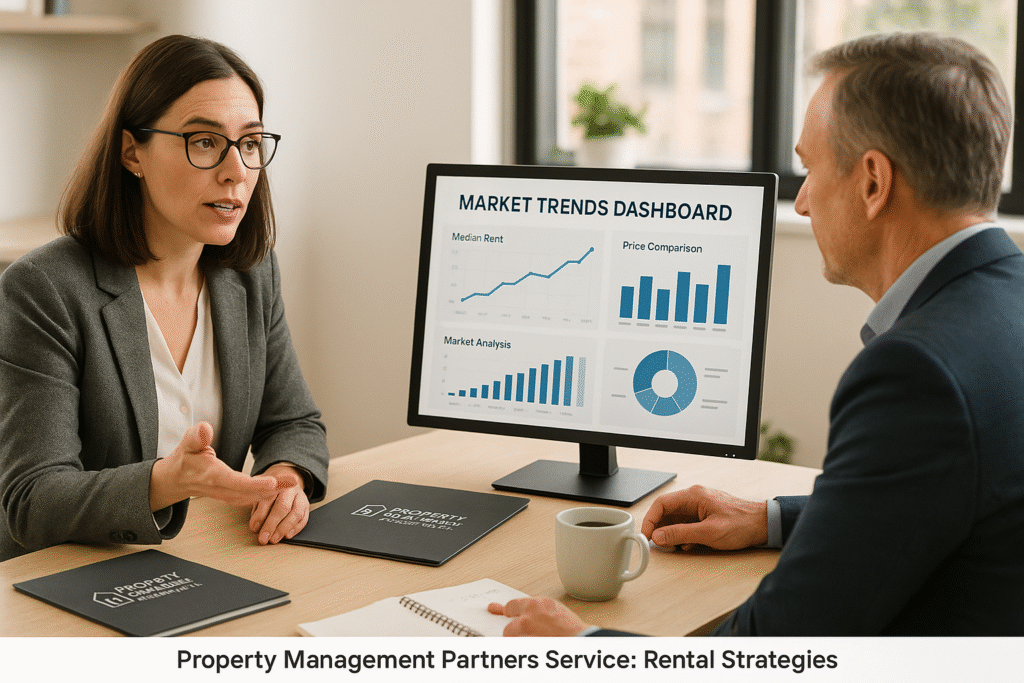
Maximizing Property Management Success with Property Management Partners Service Property Management Partners Service is a leading player in the real estate industry, specializing in managing diverse types of homes, condos, and apartments. Our expertise and strategic partnerships provide enhanced services to landlords, focusing on rights, income optimization, and cost control. Let’s explore why our membership in industry organizations and our team of experts make us a preferred choice for property management. By choosing Property Management Partners Service, you align yourself with a team dedicated to maximising your investment potential. Understanding the complexities of property management is crucial for landlords aiming to maximise their investments. The real estate market is dynamic, with fluctuating rental prices and shifting tenant expectations. Property Management Partners Service not only manages properties but actively engages in market analysis to ensure our clients are always ahead of the curve. For instance, we conduct regular assessments of local rental trends, analysing factors such as demand, property features, and seasonality. This information is invaluable as it allows us to suggest strategic pricing adjustments that can significantly increase rental income. Our approach at Property Management Partners Service ensures that landlords benefit from our extensive market insights. Federation of Rental Housing Providers of Ontario (FRPO) As the largest association in Ontario, the Federation of Rental Housing Providers (FRPO) is instrumental in representing individuals and organizations involved in owning, managing, building, and financing residential rental properties. Our membership with FRPO places us among a distinguished group of owners and managers that range from small individual landlords to major property management firms and institutional owners. As a member of the Federation of Rental Housing Providers (FRPO), we benefit from a vast network of industry colleagues who provide insights and support on various operational challenges. For example, through FRPO’s resources, we have access to legal advice and updates on regulatory changes that directly impact property management practices. This ensures that our partners are always compliant and can avoid potential legal issues, thereby safeguarding their investments. FRPO includes more than 2,200 members and represents over 350,000 homes across Ontario. This association allows us to share best practices, stay informed about industry trends, and work alongside colleagues and partners, including service providers, suppliers, and industry consultants. More information about our work with FRPO can be found at their. The knowledge we gain from being part of FRPO extends to best practices in tenant management, which is crucial for tenant retention and satisfaction. We adopt a proactive approach in addressing tenant concerns and fostering a sense of community within the properties we manage. Strategies such as hosting community events or implementing tenant feedback systems not only enhance the living experience but also reduce turnover rates, which can be costly for landlords. Participation in the Property Management Expo Property Management Partners regularly attends Canada’s largest annual property management exposition and conference. The expo is a hub for exchanging ideas, best practices, and product knowledge. It equips us with strategies and cost-effective solutions tailored to efficient building management and operations. Our participation ensures that we stay at the forefront of technological and strategic advancements in property management. We believe that our participation in events enhances our offering as Property Management Partners Service. Attending the Property Management Expo also allows us to discover new technologies that streamline property management processes. For instance, innovations such as automated maintenance request systems can significantly enhance tenant satisfaction. Tenants can easily report issues through a mobile app, and our team can promptly address these concerns, leading to quicker resolutions and happier residents. Additionally, we explore software solutions for managing finances, which improve transparency and accountability in our operations. Many of the innovations we explore at the expo reinforce our commitment to excellence as Property Management Partners Service. Board Membership at the Landlord Self-Help Centre Being on the board of directors for the Landlord Self-Help Centre illustrates our commitment to serving small-scale landlords in Ontario. This non-profit community legal clinic provides exclusive services, including information, summary advice, and referrals. The Centre also offers printed materials and outreach programs aimed at helping landlords understand their rights and responsibilities. Further details about the Landlord Self-Help Centre are available on their. Our board involvement at the Landlord Self-Help Centre further demonstrates our advocacy for landlord rights and education. We routinely organise workshops and seminars that empower landlords with the knowledge they need to navigate the complexities of property management. These events cover various topics, such as understanding rental agreements, handling evictions, and maintaining properties effectively. By equipping landlords with this knowledge, we help them operate more confidently and successfully manage their investments. Expertise in Property Management Our expertise at Property Management Partners Service is complemented by our dedication to continuous improvement. Our team at Property Management Partners consists of experts with extensive market knowledge, experience, and corporate connections. This combination enables us to deliver exceptional customer service and create positive management experiences. Whether you are dealing with market shifts or operational challenges, our team’s practical insights will guide you toward successful property management. Our team’s expertise is not limited to property management; it also encompasses financial acumen. We provide landlords with detailed financial reports, helping them understand income, expenses, and potential areas for improvement. For example, if we notice consistently high maintenance costs in a specific property, we may suggest preventative measures or upgrades that can reduce these expenses in the long term. This strategic financial insight is crucial for landlords seeking to maximise their return on investment. Accredited by the Better Business Bureau (BBB) Membership with the Better Business Bureau (BBB) emphasizes our commitment to excellence and ethical business practices. With over twenty years of experience, we have honed valuable practices and opportunities that enhance building management. Our BBB accreditation reassures clients of our integrity and dedication. As Property Management Partners Service, we are proud of our relationship with BBB, which bolsters our reputation. Our relationship with the Better Business Bureau (BBB) is another testament to our integrity. The BBB accreditation provides landlords with peace of
Maximising ROI: Best Practices for Residential Property Management in the Greater Toronto Area
Introduction In the highly competitive real estate landscape of the Greater Toronto Area (GTA), effective property management is pivotal for maximizing return on investment (ROI) for residential property owners. This article explores the best practices in residential property management, emphasizing strategies that can enhance tenant satisfaction, streamline operations, and ultimately drive profitability. From tenant screening to leveraging technology, each aspect of property management plays a crucial role in ensuring a successful investment. Understanding the nuances of Residential Property Management is essential for landlords in the GTA. A solid grasp of Residential Property Management principles can significantly influence an owner’s success. Effective Tenant Screening The Importance of Tenant Screening Tenant screening is the cornerstone of successful property management. An effective screening process helps property owners identify reliable tenants who are likely to pay rent on time, maintain the property, and adhere to lease agreements. By investing time and resources into screening, landlords can significantly reduce the risk of costly evictions, property damage, and other issues that arise from poor tenancy. In the realm of Residential Property Management, effective tenant screening is vital. The Residential Property Management approach not only safeguards investments but also ensures tenant quality. Moreover, a thorough screening process not only protects the property but also fosters a positive community environment. The right tenants contribute to a sense of stability and security within the building, enhancing the overall appeal of the property and maintaining its value over time. Key Criteria for Selecting Tenants When screening potential tenants, several critical criteria should be considered: By evaluating these factors, property owners can make informed decisions that align with their investment goals and minimize potential headaches down the line. Utilising Screening Tools and Services Today, numerous tools and services are available to streamline the tenant screening process. Many property management software solutions offer built-in screening features, allowing landlords to easily run credit and background checks directly through the platform. Third-party services also provide comprehensive screening reports, helping property owners save time and effort while ensuring thorough evaluations. Many property managers are adopting innovative strategies within Residential Property Management to enhance tenant experiences. This evolution in Residential Property Management practices allows for improved service delivery. Automating the tenant screening process not only increases efficiency but also enhances consistency and fairness in selecting tenants. This is crucial for maintaining a positive reputation and complying with Fair Housing regulations. Regular Property Maintenance Establishing a Maintenance Schedule Regular property maintenance is essential for preserving the value of residential investments and ensuring tenant satisfaction. Property owners should establish a proactive maintenance schedule that includes routine inspections and seasonal upkeep tasks. This could involve checking HVAC systems, inspecting roofs, and maintaining landscaping. Implementing a strategic plan for Residential Property Management ensures that properties remain attractive and functional. Regular updates in Residential Property Management protocols can lead to enhanced tenant engagement. By adhering to a maintenance schedule, landlords can identify potential issues before they escalate into costly repairs, ultimately saving money and ensuring tenants feel valued and cared for. The Role of Preventive Maintenance Preventive maintenance is a key strategy in property management that involves taking steps to avoid future problems. This includes changing air filters regularly, cleaning gutters, and ensuring that plumbing systems are in good working order. By investing in preventive measures, property owners can extend the lifespan of their facilities and avoid emergency repairs that can disrupt tenant lives and diminish satisfaction. Preventive strategies are a cornerstone of Residential Property Management. By focusing on preventive measures in Residential Property Management, landlords can mitigate risks before they become costly issues. Additionally, preventive maintenance can enhance energy efficiency, contributing to lower utility costs for both landlords and tenants. This can be a significant selling point when attracting new tenants, as many individuals prioritize environmentally friendly living options. Responding to Maintenance Requests Efficiently Effective communication and quick responses to maintenance requests are paramount in fostering tenant satisfaction. Property management should establish clear protocols for tenants to submit maintenance requests, whether through a dedicated portal, email, or phone line. Ensuring that tenants know how to report issues can lead to quicker resolutions and greater trust between landlords and tenants. In Residential Property Management, timely communication about maintenance is crucial. Adopting a proactive stance in Residential Property Management can lead to a more satisfied tenant base. Moreover, maintaining a streamlined system for tracking and addressing maintenance requests can improve overall operational efficiency. Utilizing property management software can help landlords manage these requests, keeping tenants informed about the status of their issues and ensuring they are addressed in a timely manner. Leveraging Technology for Management Property Management Software Solutions In an era where technology permeates every aspect of business, property management is no exception. Property management software has become an indispensable tool for landlords and property managers, streamlining processes and enhancing operational efficiency. These platforms typically offer functionalities such as online rent collection, maintenance tracking, and tenant communication, all in one unified system. Utilising technology is a game changer in Residential Property Management. The integration of software in Residential Property Management systems enables streamlined operations. By utilizing property management software, landlords can automate routine tasks, reduce administrative burdens, and gain valuable insights into their operations. This enables them to focus more on strategic decision-making rather than getting bogged down in day-to-day management tasks. Utilising Data Analytics for Decision Making Data analytics can significantly impact property management strategies. By analyzing rental data, tenant preferences, and market trends, property owners can make informed decisions regarding pricing, marketing, and property upgrades. For example, understanding the demographics of tenants in the area can help landlords tailor their offerings and amenities to attract a specific target market. Data-driven insights are revolutionising Residential Property Management. By leveraging analytics in Residential Property Management, landlords can identify trends and anticipate tenant needs effectively. Furthermore, data analytics can assist in identifying inefficiencies within management practices. By examining key performance indicators, property owners can pinpoint areas for improvement, whether that means adjusting rent levels, enhancing marketing efforts, or optimizing maintenance schedules.
How to Safely Move Your Belongings Into Your Rental Property

Moving into a new rental property is an exciting milestone, but getting there often comes with a bit of stress. Between packing, organizing, and settling into a fresh space, it’s easy to overlook how important it is to move your belongings safely and efficiently. At Property Management Partners, we know that a smooth move-in sets the tone for a positive rental experience. Whether you’re heading into your first apartment or relocating across town, these practical tips will help you protect your belongings and settle in with confidence. Create an Inventory Before You Start Packing Start by creating a list of everything you’re bringing with you. An inventory helps you keep track of your items, ensures nothing gets left behind, and can be especially useful during unpacking. It’s also a good way to check for any damage once you’re in your new home. Ensuring the safety of your belongings during the transition into your rental property is crucial for a stress-free experience. Ensuring the safety of your belongings during the transition into your rental property is crucial for a stress-free experience in your rental property. Disassemble Large Furniture When Possible Bed frames, desks, and shelving units are easier (and safer) to transport when taken apart. Keep small parts like screws and bolts in clearly labelled bags and tape them directly to the matching furniture to make reassembly quick and hassle-free. Choose the Right Packing Materials Strong boxes, bubble wrap, packing paper, and furniture blankets offer much-needed protection during the move. Pay special attention to fragile items; things like electronics, dishes, or mirrors need extra padding to prevent cracks or breaks. In your rental property, even careful moves can lead to bumps or scuffs. Wrap upholstered pieces and wood furniture with moving blankets or plastic wrap, especially around corners and edges. This small step goes a long way in avoiding unnecessary damage to your rental property. Protect Furniture Surfaces Even careful moves can lead to bumps or scuffs. Wrap upholstered pieces and wood furniture with moving blankets or plastic wrap, especially around corners and edges. This small step goes a long way in avoiding unnecessary damage. As you pack, for your rental property, label each box with its contents and the room it belongs to. Mark anything fragile so it’s handled with care during transport. This makes unloading and unpacking faster and more efficient once you arrive at your rental property. Label Everything Clearly Overpacked boxes are harder to move into your new rental property and more likely to break. Use small boxes for heavier items like books and tools, and reserve larger ones for softer items like bedding and clothing in your rental property. As you pack, label each box with its contents and the room it belongs to. Mark anything fragile so it’s handled with care during transport. This makes unloading and unpacking faster and more efficient once you arrive. Before moving furniture into your rental property like dressers or side tables, secure drawers and doors with tape or stretch wrap. This prevents them from swinging open mid-move, protecting both the furniture and anything (or anyone) around it. Keep Boxes Manageable Hiring experienced movers can make a huge difference when moving into a rental property. Professional moving companies know how to transport your belongings safely and efficiently, reducing the risk of damage and making the whole process easier for you. Overpacked boxes are harder to move and more likely to break. Use small boxes for heavier items like books and tools, and reserve larger ones for softer items like bedding and clothing. Balanced loads are easier to carry, and safer for your belongings. Secure Drawers and Doors Once you’re in your new rental property, take your time unpacking. Start with essential items, check your inventory, and be mindful when opening boxes to avoid accidents. A slower pace now can help you avoid frustration or mishaps later in your rental property. Before moving furniture like dressers or side tables, secure drawers and doors with tape or stretch wrap. This prevents them from swinging open mid-move, protecting both the furniture and anything (or anyone) around it. Book Your Movers Hiring experienced movers can make a huge difference. Professional Toronto moving companies know how to transport your belongings safely and efficiently, reducing the risk of damage and making the whole process easier for you. Expert Insight: “A well-planned move depends on having the right help. Look for movers who offer tailored services like packing, specialty handling, and careful disassembly, and focus on value, not just price. The right team can make all the difference.” – Ed Burton, CEO of Top Move Unpack with Care Once you’re in your new home, take your time unpacking. Start with essential items, check your inventory, and be mindful when opening boxes to avoid accidents. A slower pace now can help you avoid frustration or mishaps later. Bonus: Packing Essentials Checklist Make sure you’re stocked with these supplies before moving day: A well-planned move makes all the difference. By taking a few simple steps to pack smart and protect your belongings, you’ll make the transition to your new rental smoother and more enjoyable from day one. Need support with your rental property or looking for your next home? Contact Property Management Partners to learn how we can help. A well-planned move into your rental property makes all the difference. By taking a few simple steps to pack smart and protect your belongings, you’ll make the transition to your new rental smoother and more enjoyable from day one. Make your next move stress-free. Reach out to Property Management Partners for expert help with rentals, move-ins, and tenant support.
Smart Investors Find Gold in Toronto’s Rental Market Correction

Market corrections reveal which investors did their homework. The Greater Toronto Area is experiencing a dramatic shift in its single-family rental market. Detached house rental listings have surged…
The Property Manager’s Guide to Handling Evictions Legally

Evictions are among the most sensitive and challenging responsibilities for property managers. While sometimes necessary, managing evictions with legal compliance and ethical sensitivity is crucial to protecting all parties and minimizing conflicts. This Property Manager Eviction Guide provides a comprehensive overview of how to handle evictions responsibly and effectively. Evictions carry significant emotional weight, especially for tenants facing uncertainty. This guide encourages property managers to understand both the legal framework and the human side of evictions, approaching the process with compassion while maintaining professionalism. Understanding Local Eviction Laws Eviction laws differ by jurisdiction, so familiarizing yourself with local regulations is essential. For example, Ontario landlords must follow the Residential Tenancies Act (RTA) and coordinate with the Landlord and Tenant Board (LTB). Key elements include notice periods, acceptable eviction reasons (such as non-payment or lease breaches), and proper documentation. Accurate documentation and adherence to timelines are critical to avoid delays or dismissal. Since eviction processes can be complex, especially in challenging cases, consulting a legal expert in property law is recommended to ensure full compliance. For more details, visit: Explore Alternatives Before Eviction Eviction should always be a last resort, as early and proactive communication can often resolve issues without legal action. The Property Manager Eviction Guide highlights several effective alternatives, such as offering payment plans that allow tenants to catch up on rent through manageable installments, helping maintain tenancy, and reducing financial stress. Other recommended options include mediation, where a neutral third party helps both sides reach a fair and amicable solution, and mutual termination agreements, which allow tenants to vacate the property voluntarily, avoiding the need for formal eviction. These approaches not only save time and legal costs but also help preserve a respectful landlord-tenant relationship. Addressing problems early and empathetically can lead to more stable rental situations and better long-term outcomes for everyone involved. Learn more here: Mediation Services Ontario. Serving Proper Correct Notices This landlord eviction handbook is a valuable resource for property managers, offering clear guidance on handling evictions legally and ethically. The property management eviction guide covers key steps from serving notices to coordinating move-outs, ensuring compliance with local laws. Serving as a practical tenant eviction guide, it emphasizes respectful communication to reduce conflicts and maintain positive landlord-tenant relationships. Following this handbook helps protect investments while managing evictions fairly and efficiently. Filing for Eviction Legally After serving notices, filing the necessary documentation with courts or tribunals is mandatory. Include all relevant evidence: lease agreements, communication logs, payment histories, and eviction notices. This thorough preparation helps build a strong case and speeds up the legal process. Keeping organized records also demonstrates professionalism and due diligence throughout the eviction process. Most jurisdictions, like Ontario’s LTB, require landlords to obtain a formal eviction order before regaining possession of a property. Proper filing shows that you have tried to resolve issues amicably and supports your position in hearings. Failing to follow these procedures can lead to delays or dismissal of your case. Understanding and adhering to local legal requirements is essential to avoid potential penalties or complications. Find more information about filing eviction applications here: Landlord and Tenant Board Filing Ethical Practices in Evictions This landlord eviction handbook serves as an essential resource for property managers, providing clear and practical advice on the eviction process. The property manager eviction guide outlines legal steps and ethical considerations to ensure compliance and fairness. Acting as a comprehensive tenant eviction guide for property managers, it helps navigate complex situations with professionalism. With this property manager’s eviction handbook, landlords can confidently follow eviction procedures that protect their investments while maintaining respectful tenant relationships. Avoid illegal tactics such as changing locks or shutting off utilities. Inform tenants of their rights and provide support resources where possible. Coordinating the Move-Out Process Once the eviction order is granted, working cooperatively with tenants ensures a smoother transition. Provide a checklist outlining expectations for cleaning, repairs, and key returns to avoid disputes over security deposits. Clear communication about timelines and tenant responsibilities helps prevent unnecessary conflicts. If tenants refuse to vacate, coordinate with law enforcement for a lawful and peaceful eviction. Learning and Improving Evictions are challenging but offer important lessons for improving tenant screening, communication, and lease agreements to reduce future risks. Following up with former tenants for feedback can also help enhance your property management approach. Learning from these experiences leads to better outcomes and stronger landlord-tenant relationships, ultimately creating a more stable rental business. Conclusion Handling evictions legally and ethically protects your investments and preserves your reputation. This Property Manager Eviction Guide emphasizes understanding local laws, exhausting alternatives, following proper procedures, and maintaining ethical standards. By fostering positive tenant relationships and managing evictions with compassion, property managers can minimize conflicts and create a healthier rental environment. Handle evictions the right way, partner with Property Management Partners for expert, legal, and ethical eviction support every step of the process. Frequently Asked Questions Q1: What is the first step in the eviction process? A1: Familiarize yourself with local laws and serve the proper legal eviction notice specifying the reason and timeline. Q2: Can I evict a tenant without going to court? A2: In most jurisdictions, including Ontario, you need a court or tribunal order to legally evict a tenant. Q3: What are some alternatives to eviction? A3: Payment plans, mediation, and mutual termination agreements are common alternatives that can avoid eviction. Q4: How can I ensure ethical eviction practices? A4: Avoid illegal tactics, treat tenants respectfully, inform them about their rights, and provide support resources. Q5: What should I do if tenants refuse to leave after an eviction order? A5: Coordinate with local law enforcement to enforce the eviction peacefully and legally.
Tenant Screening Red Flags Every Landlord Needs to Watch For

Tenant screening is a crucial process in property management. Selecting the right tenant helps protect your investment, ensures consistent rental income, and fosters a positive landlord-tenant relationship. However, certain red flags during the screening process may indicate potential issues. Here’s how to identify them and make informed decisions. Incomplete Applications An incomplete rental application is often the first sign of trouble. Missing information about employment, references, or previous addresses could indicate carelessness or a deliberate attempt to conceal unfavorable details. What to Do:Require all fields to be completed and verify the missing information before proceeding. Consistency in enforcing this rule ensures fairness and accountability. Inconsistent or Suspicious Income Details Financial stability is key to reliable rent payments. Red flags in this area include: What to Do:Verify employment directly with employers and confirm income details with official documentation. Criminal Background Concerns While not all criminal records are disqualifying, certain convictions (e.g., for property damage or violent crimes) could pose risks to your property or other tenants. What to Do:Conduct a thorough background check while adhering to local and federal anti-discrimination laws. Consider the nature and recency of the offense before making a decision. Unstable Employment History A tenant with frequent job changes or gaps in employment might struggle with consistent income. This could lead to issues in meeting rent obligations. What to Do:Request detailed employment history and verify with employers. Evaluate whether the applicant’s current job situation provides sufficient stability. Signs of Dishonesty If information on the application doesn’t match what you discover during verifications (e.g., fake employers or incorrect contact details), it’s a clear sign of potential issues. What to Do:Cross-check all provided information with reliable sources and question discrepancies directly with the applicant. Tenant screening is an essential step in protecting your rental property and ensuring a positive landlord-tenant relationship. By recognizing red flags such as incomplete applications, inconsistent income details, poor rental history, and dishonesty, property managers can make informed decisions. A thorough screening process helps reduce risks, ensuring your property is in good hands. Prefer to have screening done for you? See our Toronto property management page. Choose tenants with confidence, let Property Management Partners handle your screening process with proven methods that protect your investment.
Tips for Managing Multiple Properties in a Growing Portfolio

As property owners grow their rental portfolios, managing multiple properties effectively becomes a critical skill. From maintenance coordination to tenant communication, balancing these responsibilities requires organization, strategic planning, and the right tools. Here are key tips from our experts to help property owners successfully manage an expanding portfolio. 1. Adopt Property Management Software Managing multiple properties manually can quickly become overwhelming. Property management software simplifies tasks like tracking rent payments, scheduling maintenance, and communicating with tenants. Tools like Buildium, AppFolio, or Rentec Direct can centralize all your operations, helping you save time and stay organized. How does this help? You can: 2. Standardize Your Processes Establishing standardized processes for tasks like tenant screening, lease agreements, and maintenance requests ensures consistency across your properties. Having a set system reduces the time spent on decision-making and improves tenant satisfaction by providing clear and predictable responses. Example: Create templates for lease agreements, maintenance request forms, and tenant welcome packets to streamline operations. 3. Hire Help As your portfolio grows, delegating tasks becomes essential, don’t try to do it all by yourself. Consider hiring property managers or building a team to assist with tenant relations, maintenance, and administrative duties. Roles to Consider: 4. Prioritize Preventative Maintenance Maintenance costs can spiral out of control without a proactive approach. Regular inspections and preventative maintenance help identify small issues before they become costly problems. Preventative Steps: 5. Organize Finances Strategically Keeping track of income, expenses, and tax obligations is more complex with multiple properties. Use accounting software to monitor financial performance for each property and prepare for tax season. Tips for Financial Management: 6. Prepare for the Unexpected Owning multiple properties increases the likelihood of unexpected issues, from major repairs to tenant disputes. Building an emergency fund for each property ensures you can handle surprises without disrupting cash flow. Managing multiple properties requires organization, strategic planning, and a proactive approach. By leveraging tools like property management software, maintaining clear communication with tenants, and staying informed about market trends, owners can effectively balance their expanding portfolios. With the right systems in place, growing your property investments becomes a streamlined and rewarding process. Managing several rentals? See how our residential property management works. Grow your rental portfolio without the stress. Let Property Management Partners streamline everything from maintenance to tenant care for you.
Future of Property Management Trends to Watch and Prepare For

The property management industry is undergoing significant changes driven by technological advancements, evolving tenant expectations, and shifts in regulatory landscapes. Over the next decade, property managers will need to adapt to these trends to remain competitive and meet the demands of property owners and tenants alike. Here’s a look at the key trends shaping the future of property management. Increased Use of Artificial Intelligence (AI) AI is transforming property management by automating repetitive tasks and improving efficiency. From AI-powered chatbots handling tenant inquiries to predictive maintenance systems analyzing property data, the integration of AI reduces workload and enhances decision-making. Impact: Smart Property Technology The rise of smart home devices is redefining tenant expectations. Keyless entry systems, smart thermostats, and energy-efficient lighting not only enhance tenant experiences but also improve property value and can reduce utility costs. What to Watch: Sustainability and Green Initiatives As climate concerns grow, tenants and property owners are prioritizing eco-friendly practices. Property managers are expected to adopt sustainable solutions, such as solar panels, rainwater harvesting systems, and energy-efficient appliances. Key Benefits: The future of property management is already here, we’ll see changes during the next few years that will help improve the efficiency. It’s a good idea to start planning ahead and catch up with the new trends. Technology is definitely going to help us reshape the future of the industry and it will allow us to streamline operations. Stay ahead of the rental market, work with Property Management Partners to future-proof your rentals with smart tech and expert strategy.
