Effective Pricing Strategies for Rental Properties: Avoiding Vacancies
Pricing a rental property accurately is crucial to avoiding prolonged vacancies and reducing overall carrying costs. When a new condo building enters the market, setting the highest rent can be challenging due to the principles of supply and demand. Suddenly, hundreds of units with the same address become available, some of which will be owner-occupied, others up for resale, and many intended as rental properties. To better understand this, consider the local economic factors, such as job growth and population changes, that can impact demand for rental properties. For instance, if a major employer opens a new office nearby, the influx of workers can increase competition for available rentals, prompting a shift in pricing strategies.
Understanding the dynamics of rental properties in the current market can be vital for your success.
Imagine you’ve just purchased a new property. Market research indicates that similar units rent for approximately £2,000 per month. However, what happens when 20 other units in the same building, featuring similar finishes, also become available? Additionally, another new building in the area can impact your investment. As a property manager, I frequently observe these scenarios where oversupply leads to a downward pressure on prices. This situation necessitates a careful analysis of how to position your rental unit competitively amidst the growing options for potential tenants.
In the context of rental properties, it’s essential to assess how your unit stands compared to the competition.
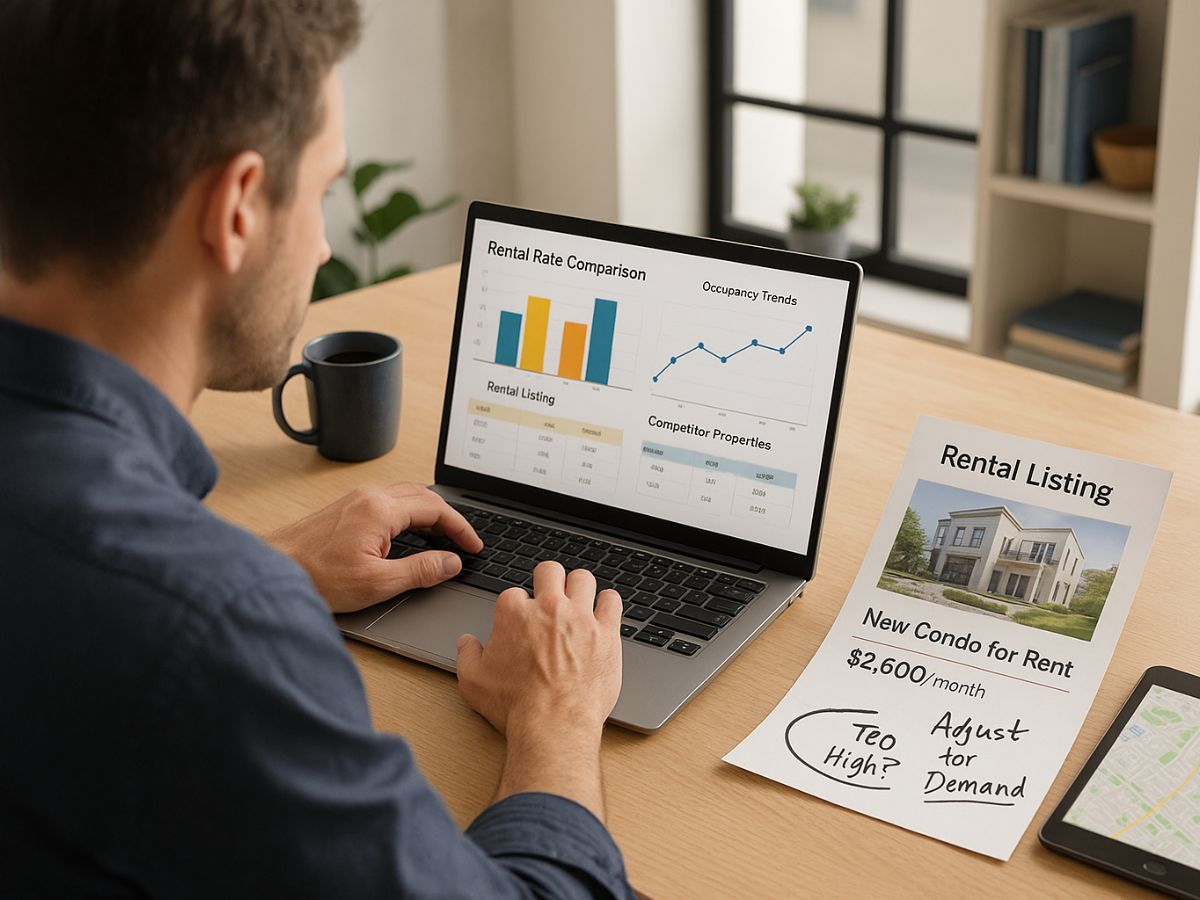
Investors often hesitate, hoping for more money and the elusive “perfect” tenant. However, it’s crucial to be proactive and have a strategy in place from the outset. This means not only setting a competitive price but also being prepared to adjust it in response to market conditions. How can you ensure your unit is rented promptly instead of sitting empty? One effective approach is to analyse similar properties and their rental histories, allowing you to set realistic expectations and adjust your strategies accordingly.
Being aware of market trends for rental properties can also provide an edge.
Developing a Competitive Value Proposition
Understanding the Appeal of Rental Properties
As an investor, it’s crucial to understand that rental properties only succeed when tenants perceive value.
Consider the following strategies to enhance your investment’s appeal:
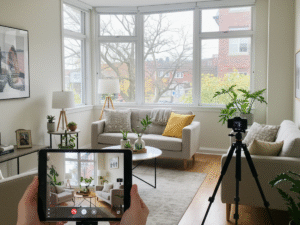
Additionally, factor in the importance of online presence and marketing. In today’s digital age, a strong online listing with high-quality photographs and detailed descriptions can significantly enhance visibility. Consider utilising professional photography and staging to highlight your rental property’s best features. Furthermore, leveraging social media platforms for promotion can reach a broader audience of potential renters.
For rental properties, a robust online presence can significantly enhance visibility.
1. Amenities and Incentives: Adding amenities like blinds, fresh paint jobs beyond the builder’s primer, or offering parking spaces and lockers can add significant value.
3. Flexible Lease Terms: Offering flexible lease terms can attract a wider pool of tenants. Many renters appreciate the option of shorter leases or month-to-month agreements, especially in uncertain economic times. This flexibility can make your property more appealing in a competitive market.
2. Competitive Pricing: Reducing rent might initially seem undesirable to investors. However, consider this scenario:
Consider also the psychological aspect of pricing. Research indicates that setting a price just below a round number, such as £1,999 instead of £2,000, can make a rental unit more attractive. This pricing strategy can lead to higher rental interest and potentially more offers, allowing you to choose from a more competitive tenant pool.
– For each month the unit remains unrented, you face a loss of $2,000.
– If you rent it immediately at a reduced price of $1,900 per month, you would collect $1,200 less in rent over the first year.
Decision-making boils down to choosing between losing $2,000 per month or $1,200 per year.
Analyzing Market Trends
When analysing market trends, consider how they might shift the landscape for rental properties.
It’s also helpful to constantly review and analyse market trends. What are similar units in your area doing? Have rental demands shifted due to local developments or economic changes? Being informed will help you make timely adjustments to your pricing strategy. Keep an eye on local real estate reports and engage with other property managers to share insights and strategies that can keep your rental property competitive.
It’s also helpful to constantly review and analyze market trends. What are similar units in your area doing? Have rental demands shifted due to local developments or economic changes? Being informed will help you make timely adjustments to your pricing strategy.
Another crucial aspect of analysing market trends is understanding seasonal fluctuations. For instance, rental demand often peaks during the summer months when families prefer to move. By anticipating these trends, you can adjust your pricing and marketing efforts to maximise occupancy during peak seasons, while also preparing for quieter periods with strategic offers or incentives.
Understanding seasonal demand for rental properties can enhance your strategy.
Enhancing Unit Appeal
Investing in upgrades can significantly impact the rental appeal. Consider modernizing appliances or offering in-unit laundry options. These additions might justify a higher rent or speed up the rental process.
Upgrades can significantly increase the appeal of rental properties.
Investing in upgrades can significantly impact the rental appeal. Consider modernising appliances or offering in-unit laundry options. These additions might justify a higher rent or speed up the rental process. Additionally, providing energy-efficient appliances can attract environmentally conscious tenants who are looking for cost savings on utilities.
Understanding Tenant Needs
Moreover, enhancing outdoor spaces can also boost a property’s attractiveness. If your rental unit has access to a garden or balcony, consider making these areas more appealing through landscaping or outdoor furniture. Such improvements can significantly increase the perceived value of the property and appeal to tenants looking for outdoor living options.
Outdoor spaces can add significant value to rental properties.
Engage with potential tenants to understand their needs. Some might value move-in readiness, while others might prioritize cost savings. Tailor your offerings to meet these needs effectively.
The Role of a Property Manager
Additionally, a property manager can aid in the maintenance of your rental unit, which is essential for keeping its appeal over time. Regularly scheduled maintenance checks and prompt repairs not only prevent larger issues but also demonstrate to tenants that their comfort and satisfaction are priorities. This proactive approach can lead to longer lease terms and a more stable income stream.
A property manager can help maintain the attractiveness of your rental properties.
A property manager can be an invaluable asset. They can provide insights into market dynamics and suggest practical solutions to enhance efficiency. Their expertise can guide you in making informed decisions about pricing and marketing your property.
Furthermore, property managers often have access to a network of reliable service providers, from cleaners to maintenance personnel, which can save you time and ensure high standards are maintained. This expertise can be invaluable in a competitive rental market where presentation and functionality are key to attracting tenants.
Conclusion
Pricing a rental property effectively requires a strategic approach. While it may be tempting to hold out for the highest bid, being flexible and responsive to market conditions can minimize vacancies and ensure a steady income stream. Investing in your property’s appeal, understanding market trends, and leveraging professional guidance will position you for success in the competitive rental market.
Effective pricing strategies for rental properties can significantly impact your profitability.
Ultimately, successful property management combines effective pricing strategies, an understanding of market dynamics, and an investment in tenant satisfaction. By focusing on the overall experience you provide, you can foster positive relationships with tenants, leading to renewals and referrals. This holistic approach can set your rental properties apart in a crowded marketplace.
Understanding market dynamics is essential for managing rental properties effectively.
With these strategies in mind, you’ll be better equipped to navigate the complexities of renting out your investment property and achieve your financial goals. Remember, successful rental management is not just about the numbers; it’s about building a community and providing a quality living experience for your tenants. By implementing these insights, you can ensure your rental properties are both profitable and well-regarded in the community.
Avoid costly vacancies and boost your rental income, connect with Property Management Partners today to price your property right from day one.