Selling Your Investment Property: Essential Considerations When Selling Your Rental Property
Deciding to sell your investment property can be a significant decision, particularly in today’s dynamic real estate market. It’s essential to navigate this process carefully, especially when dealing with tenants, who play a critical role in how smoothly the sale proceeds. Tenants can affect not only the presentation of the property but also the negotiations and final sale price. Here are several factors to keep in mind when selling your rental property, including strategies to ensure a successful sale while maintaining good relationships with your tenants.
When selling your rental property, it’s important to understand the market trends that could influence your sale.
Collaboration with Tenants
When selling a property that’s occupied by tenants, their cooperation is crucial. As they reside in the home, their willingness to maintain the property’s condition can significantly impact potential buyers’ impressions. A tidy, well-maintained home can make a substantial difference in the sales process. Therefore, it’s vital to acknowledge their role and to engage them positively. Highlighting the benefits of a successful sale for both parties can foster a collaborative environment.
Having tenants who are aware of selling your rental property can also ease the process.
Building a Positive Relationship
1. Communication: Start by having an open conversation with your tenants about your plans to sell. Discuss how they can contribute to this process positively.
Effective communication can improve tenant relations while selling your rental property.
4. Transparency: Be transparent with your tenants regarding the selling process. Let them know what to expect and the timeline involved. This will help manage their expectations and reduce anxiety. Keeping them informed can lead to their increased willingness to cooperate during showings and inspections.
2. Incentives: Consider offering incentives to your tenants for their cooperation, whether it’s a rent reduction or a small bonus. A motivated tenant is more likely to keep the home in excellent condition.
Incentives can motivate tenants to assist you in selling your rental property effectively.
3. Flexibility: Make it easier for tenants by providing flexible showing times. Instead of delivering notices for every viewing, work with them to schedule convenient times for buyer visits.
4. Professionalism: Always approach the situation with professionalism. Tenants are more likely to respond positively if they feel respected. A professional approach can also alleviate any fears they might have about the sale affecting their living situation.
Professionalism in dealings can ease concerns about selling your rental property among tenants.
Preparing Your Property for Viewings
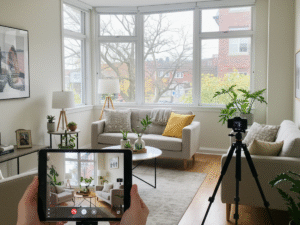
Tenants have control over how your property presents itself during showings, which makes their cooperation essential. Here are key aspects to ensure it looks its best and appeals to potential buyers:
Preparing for viewings is critical when selling your rental property.
1. Cleanliness: Ensure the property is clean and tidy, with the exterior well-maintained, such as a mowed lawn or cleared snow.
4. Staging Assistance: Consider offering assistance in staging the property for viewings. Providing tenants with some guidance on how to present their home can enhance its market appeal. This could involve temporary rearrangements or decluttering advice that doesn’t disrupt their daily life but improves visibility during showings.
Effective staging plays a role in selling your rental property quickly.
2. Privacy Concerns: Understand that tenants may be uncomfortable with pictures being taken of their personal belongings. Discuss how the property will be advertised and ensure their privacy is respected.
3. Pet Management: If your tenants have pets, discuss arrangements for showings. Pets can be a distraction, so having them looked after or removed during viewings can help.
Consider how tenants manage pets during the selling your rental property process.
Understanding the Tenant’s Future
The question of whether tenants will remain in the home after the sale often arises. It’s best to address this upfront to avoid misunderstandings later. Open discussions about their intentions after the sale can help solidify a clear path forward, whether that means they will continue their tenancy or prepare for relocation.
Understanding tenant intentions is vital when selling your rental property.
Tenant Possession and Legal Considerations
1. Lease Agreements: If a lease is in place, there is no legal way to force tenants out before it ends. Negotiation with the tenants is the primary option.
Lease agreements can complicate selling your rental property if not handled properly.
2. Vacant Possession Requests: If a prospective buyer requests vacant possession, be aware of the legal requirements. The N12 form allows a buyer to serve a 60-day notice if they plan to live on the property themselves. However, evicting tenants may take longer than this period due to legal processes.
3. Sale Agreements: Standard purchase agreements often require vacant possession. Ensure sufficient time is allowed for eviction if needed, to avoid breaching the sale agreement.
4. Tenant Rights Awareness: Ensure that you have a solid understanding of tenant rights and obligations. Familiarise yourself with local laws that pertain to notice periods and tenant rights regarding property sales to avoid legal complications during the process.
Legal and Practical Implications
When selling a rented property, understanding your legal obligations and practical implications is vital. Here are some key points to consider that can ensure compliance and facilitate a smoother transaction:
– Be aware of tenancy laws in your area to ensure compliance and avoid any legal issues.
– Consult with a real estate professional or legal advisor to guide you through the nuances of selling an occupied property.
– Plan for possible scenarios where tenants may not agree to move out, which could delay your sale.
– Be aware of tenancy laws in your area to ensure compliance and avoid any legal issues. This can include understanding the different types of tenancies and what that means for your obligations as a landlord.
– Consult with a real estate professional or legal advisor to guide you through the nuances of selling an occupied property. They can provide insights into the market and assist in developing a strategic plan for your sale.
– Plan for possible scenarios where tenants may not agree to move out, which could delay your sale. Having contingency plans in place can protect your interests and help manage buyer expectations.
Conclusion
Selling an investment property with tenants requires careful planning, consideration, and a balanced approach to communication. By maintaining open communication, respecting tenants’ rights, and understanding legal obligations, you can facilitate a smoother sales process. Ultimately, the goal is to achieve a successful transaction that respects both the tenant’s and buyer’s needs, ensuring a seamless transition for all parties involved. Keep these considerations in mind to avoid potential problems and achieve a successful sale of your investment property. Remember that navigating the complexities of selling your rental property can yield positive outcomes with the right strategies in place. Selling your rental property should be a well-thought-out process.
Get expert help to sell your rental property smoothly, contact Property Management Partners today for trusted guidance and legal clarity.