
10 Reasons To Hire a Professional Property Manager

Why You Should Hire a Professional Property Manager Maximizing the profit from your investment properties is crucial for every landlord. Hiring a property manager can significantly enhance the value of your properties while reducing your workload. Here’s a detailed look at why employing a property manager is a wise decision: 1. Setting the Right Rental Rates Determining the optimal rental price is more than just checking what others are charging. A skilled property management company conducts comprehensive market studies. This ensures a rental price that strikes a perfect balance, maximizing your monthly income while keeping vacancy rates low. 2. Timely Rent Collection and Deposits Collecting rent can be a challenging and awkward task. Property management companies have effective systems in place to ensure timely collections. This consistent cash flow is especially critical if you have a limited portfolio of properties, as it directly impacts your financial stability. 3. Effective Marketing and Advertising Property managers know precisely where and how to market your properties. Their expertise in crafting compelling advertisements significantly reduces vacancy durations, ensuring your property is filled quickly. 4. Finding Suitable Tenants Experienced property managers excel at identifying high-quality tenants. They handle all tenant screening processes, including security checks, employment verification, and gathering references from previous landlords, ensuring reliable and responsible renters. 5. Comprehensive Tenant Management A property management company manages all aspects of the landlord-tenant relationship. This includes handling maintenance requests, conducting routine inspections, and managing any conflicts that may arise, ensuring smooth operations and tenant satisfaction. 6. Managing Vendor Relationships Property management companies have established relationships with maintenance personnel, contractors, and suppliers, providing you with access to the best services at competitive prices. They oversee all maintenance projects, ensuring quality work is completed timely. 7. Compliance with Laws and Regulations Navigating the complex web of housing regulations and property laws can be overwhelming. A property manager keeps your property compliant with these laws, protecting you from potential lawsuits and fines. 8. Expanding Investment Opportunities Managing properties independently limits you to your local area. However, with a property manager, you can invest in properties anywhere, allowing you to explore new and lucrative markets. 9. Efficient Use of Your Time By delegating the day-to-day management of your properties to a professional, you can focus on identifying new investment opportunities or advancing your career, freeing up valuable time. 10. Cost-Effective Management While property managers typically charge 9-10% of the monthly rental income, this cost is generally offset by the savings and increased profitability they bring through professional management. Conclusion Reducing vacancies, attracting and retaining top tenants, and improving your cash flow are the hallmarks of effective property management. If you are ready to enhance your property investments’ success, consider enlisting a professional property management service. To learn more about how you can benefit from these services, see how our residential property management works. Take the stress out of managing rentals, partner with Property Management Partners and start maximizing your investment returns today.
Which is better: Furnished or Unfurnished Rentals?

Furnishing a rental property can be a significant investment decision. Whether to offer your property furnished or unfurnished depends on various factors, and both options have their pros and cons. Here’s a detailed look at what you should consider when making this decision. Benefits of Renting Out a Furnished Unit 1. Higher Rent Potential: Furnished properties often command 25 to 50% more in rent compared to unfurnished ones. On average, this could mean an extra $400 per month, amounting to an additional $4,800 annually. However, it’s important to remember that higher rents can sometimes lead to shorter tenancy durations. 2. Appeal to Short-Term Renters: If you aim to attract tenants looking for short-term leases (typically 6-12 months), a furnished unit is more appealing. Renters in transition, such as traveling professionals or students, prefer furnished options to avoid the hassle of moving furniture. 3. Quicker Rental Process: Furnished properties can be rented out more quickly since tenants save time and effort associated with furnishing. This is especially beneficial for first-time renters who might find it daunting to furnish a whole apartment from scratch. 4. Enhanced Respect and Care: A well-styled apartment can command respect and better care from tenants, reducing the likelihood of property damage. 5. Reusability of Furnishings: At the end of a lease, the furniture can be reused in other properties or kept for personal use, providing flexibility for property owners. 6. Tax Benefits: Furnished rental property allow for deductions on the cost of goods, potentially lowering your taxable income. Benefits of Renting Out an Unfurnished Unit 1. Longer Tenancy: Tenants who furnish their spaces tend to stay longer as they have customized the area to their liking. Unfurnished properties appeal to tenants planning to stay for a more extended period, often making them more stable. 2. Tenant Satisfaction: Allowing tenants to design their own space can lead to higher satisfaction, as they create a home that meets their personal tastes and needs. 3. Reduced Liability: Without the responsibility of providing furniture, landlords do not need to concern themselves with furniture insurance. 4. Less Wear and Tear: Unfurnished properties mean the landlord doesn’t have to worry about furniture wear and tear, reducing maintenance management efforts. 5. Lower Costs: There are no carrying costs for maintaining and replacing furniture, and tenants are usually responsible for utilities and other services, unlike in furnished rentals where these costs are often covered by the rent. 6. Longer Leases, Less Turnover: Unfurnished units typically attract tenants looking for one-year leases or longer, thus minimizing tenant turnover and ensuring stability. 7. Simplified Management: With less frequent tenant turnover, managing an unfurnished property requires less effort, saving time and resources. What’s Best for You? The decision between furnishing or not largely depends on your property’s location and target demographic. Smaller properties near city centers may benefit from being furnished, attracting younger, mobile tenants who value convenience. On the other hand, larger houses or apartments are often better left unfurnished, appealing to older tenants or families who have accumulated their furniture over time. It’s crucial to conduct thorough market research to understand your prospective renters and weigh the benefits against the costs. If your goal is to reduce vacancies, attract and retain quality tenants, and improve cash flow, consider both options carefully to make the most strategic decision for your property. For personalized assistance and to learn more about optimizing your rental strategy, consider consulting property management experts. Maximize your rental income with expert advice, connect with Property Management Partners to choose the best furnishing strategy for your property today.
The Problem With House Flipping
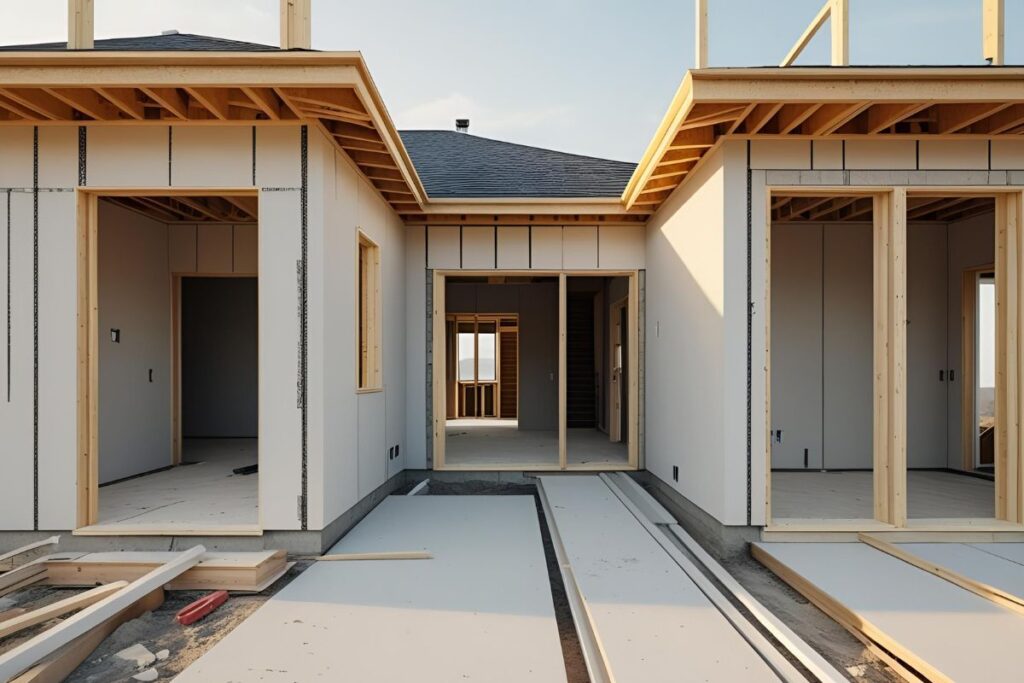
The Reality of House Flipping: Risks and Alternatives House flipping has gained significant popularity, thanks largely to TV shows and social media. It’s often portrayed as a quick and easy way to make a profit. However, the reality is quite different. This article explores the challenges of house flipping, especially for beginners, and suggests a more stable investment alternative. The Challenges of House Flipping While house flipping can generate income, it is an unpredictable and high-risk investment strategy. Many investors find themselves waiting a considerable time—sometimes years—before seeing a return on a particular flip. This inconsistency in income can make it a daunting prospect for investors. TV and Social Media Portrayals A major issue is the unrealistic expectations set by television shows and social media. These platforms often simplify the process, ignoring the complexities and potential setbacks involved. Purchasing, remodeling, and reselling a residential property quickly and profitably is possible, but it often involves unanticipated challenges. For example, properties under construction are frequently targeted by vandals and thieves, leading to unexpected expenses. Additionally, unforeseen events like bad weather or burst pipes can result in costly repairs that were not part of the initial budget. Therefore, house flippers need to be prepared for complications along the way. Time and Commitment Flipping a house is a time-intensive process. It entails finding a property, arranging financing, closing deals, remodeling, and eventually listing the property for sale. Throughout this period, the property generates no income. Profit is only realized once the property is sold, which can make it difficult to predict when the investment will pay off. Some investors manage to flip multiple houses in a year to maintain a steady income stream. However, flipping one house at a time is more common, adding to the unpredictability. An Alternative: Rental Properties Given the challenges of house flipping, diversifying income streams is a wise strategy. One of the most stable real estate investment options is residential rental properties. Benefits of Rental Properties Investing in rental homes is similar to house flipping in terms of purchasing and renovating properties. However, rental properties offer several advantages: 1. Steady Income: Unlike flipping, rental properties provide consistent income through monthly rent from tenants. 2. Long-Term Appreciation: While earning rental income, property owners can also benefit from property appreciation over time. 3. Professional Management: Investors can hire a property management company to handle many aspects of property maintenance and tenant relations. This not only reduces the workload but also ensures professional handling of any issues that arise. Professional Assistance in Property Management Engaging a professional property management company, like Property Management Partners, can add significant value. They provide expert market assessments, ensuring investors have accurate information on rental rates and market value. Additionally, they have access to reliable home remodeling and repair experts, ensuring work is done correctly. Moreover, a property management company markets the property and secures quality tenants, providing consistent rental income. Conclusion While house flipping can offer potential rewards, it comes with substantial risks and uncertainties. By contrast, investing in rental properties provides a more reliable and steady income stream. Professional property management services can further enhance this investment by reducing workload and ensuring expert handling of properties. For more insights on managing rental properties effectively, consider consulting a professional property management service. Their expertise can make property ownership a straightforward and rewarding real estate investment. For more information, contact Property Management Partners or call 416-642-1404. Call us today!
Security deposits in Ontario

Residential Security Deposits in Ontario: What Landlords Need to Know Security deposits in Ontario play a crucial role in property management, providing a way for landlords to protect their investments while adhering to provincial regulations. Understanding these deposits is essential for landlords to ensure compliance and maintain positive relationships with tenants. This article will explore the specifics of security deposits in Ontario, focusing on last month’s rent, refundable key deposits, and addressing common misconceptions. Acceptable Deposits in Ontario In Ontario, landlords are permitted to collect two primary types of deposits from residential tenants: last month’s rent and refundable key deposits. These funds serve different purposes within the landlord-tenant relationship and are governed by specific regulations. Last Month’s Rent: As the primary form of security deposit, last month’s rent is exactly what it sounds like—it covers the tenant’s final month’s rent. This deposit should not be used for other purposes such as covering operational costs or damages. It acts as a safeguard, ensuring the tenant fulfills their obligation to pay the last month’s rent. This deposit cannot be repurposed for any other part of the tenancy agreement. Refundable Key Deposits: The Residential Tenancy Act in Ontario specifies that key deposits must be reasonable and reflect the actual cost of duplicating keys. If a property uses standard keys, which might cost less than $5 to duplicate, charging a high deposit would be deemed unreasonable. However, for properties requiring specialized keys or fobs, typically found in condominiums, a higher deposit might be justified. It’s essential for landlords to keep records and receipts of key-related expenses to support the deposit amount. Paying Interest on Security Deposits In Ontario, landlords are required to pay interest on security deposits. This interest is calculated annually and usually aligns with the rental increase guideline set by the Ontario Government. Compliance with this rule is crucial for maintaining a smooth landlord-tenant relationship and avoiding legal issues. Pro Tip: Landlords can use the interest earned on the last month’s rent to increase the deposit amount. As rent generally increases each year, this practice ensures the deposit remains sufficient to cover the final month’s rent. Timing of Applying Last Month’s Rent New landlords often face confusion about when to apply the last month’s rent. If a tenant is on a 12-month lease and the landlord has collected first and last month’s rent, plus 10 postdated cheques, the application timing depends on the tenant’s decision to move out. If the tenant provides notice by the end of the 10th month, the last month’s rent is covered. However, if no notice is given, the landlord should expect payment for the 12th month. Pro Tip: If a tenant gives notice to vacate, it’s wise to anticipate receiving payment for the last month. Not receiving it may require serving an eviction notice, as the tenant’s actual final month is only determined once they vacate the premises. Additional Deposits and Legal Implications Landlords must exercise caution when considering additional deposits for other reasons, such as pet-related expenses, damages, or prepayment of extra last month’s rent. Ontario’s regulations are strict concerning security deposits, and collecting extra funds without compliance can lead to legal issues and penalties. Plus, landlords should avoid seeking unconventional deposits or engaging in discriminatory practices, particularly against tenants new to Canada or those without established credit. Such actions could lead to legal action under the Ontario Human Rights Code. Final Thoughts Having a thorough understanding of the regulations governing security deposits in Ontario is crucial for landlords. By following the law and best practices, landlords can effectively protect their investments while ensuring fair and lawful treatment for tenants. Security deposits are a foundational element of responsible property management, and by diligently navigating these guidelines, landlords can foster a positive and compliant landlord-tenant relationship in Ontario. For expert help navigating Ontario’s deposit rules, contact Property Management Partners today and protect your rental the right way.
What To Look For When Screening Tenants

What to look for when screening tenants in Ontario: the traits of a good tenant and the screening steps that protect your rental.
Understanding the Tenant Board Process for Rental Properties

Should You Invest in an Older Home as a Rental Property? Owning rental properties can be a lucrative investment, but it comes with its challenges, especially when dealing with older homes. Older properties often possess unique charm and character, which can make them highly desirable in the rental market. However, potential landlords must be aware of the different aspects of maintaining these properties, navigating tenant laws, and managing financial responsibilities. In this article, we will explore essential considerations, including the advantages and disadvantages of investing in older homes, tips for effective property management, and practical insights to maximise rental income. Understanding Your Responsibilities as a Landlord Many landlords hope tenants treat their rental properties with the same care as homeowners. However, this isn’t always the case. The Residential Tenancy Act (RTA) imposes certain obligations on landlords to maintain the property to specific standards. It is crucial for landlords to thoroughly understand these regulations to avoid potential legal issues. For example, failing to address maintenance requests in a timely manner can lead to complaints and disputes which may escalate to the Landlord and Tenant Board. Being proactive and knowledgeable about tenant rights is essential in fostering a positive landlord-tenant relationship. Maintenance and Repairs: Every landlord is legally required to keep their property in good repair, adhering to health, safety, housing, and property maintenance standards. This obligation remains regardless of whether tenants were aware of issues when they agreed to rent. For example, if a tenant reports a leaky faucet or heating issues during winter, landlords must act swiftly to resolve these problems to ensure tenant comfort and satisfaction. Neglecting such repairs can lead to more significant issues, including property damage and legal repercussions. Regular Inspections: Conducting regular inspections is vital to identify problem areas before they escalate into costly repairs. Inspections should be scheduled at reasonable intervals, ideally every six months, to assess the condition of the property and ensure compliance with safety standards. This practice not only helps in maintaining the property’s value but also builds trust with tenants, who will appreciate the attention to detail. Addressing issues proactively can save time and money in the long run and contribute to a positive rental experience. Tenant Responsibilities While landlords have responsibilities, tenants also have obligations. Understanding these can help prevent misunderstandings and disputes. Clear communication about expectations and maintenance responsibilities at the start of the tenancy can foster a better relationship. Cleanliness: Tenants must keep their rentals as clean as most would deem normal. This means maintaining the unit in a livable condition, which can help prevent issues such as pest infestations. Regular cleaning and upkeep can also prolong the life of furnishings and appliances, reducing costs for both landlords and tenants. Establishing a cleanliness standard in the lease agreement can clarify expectations from the outset. Damage and Repairs: Tenants are responsible for repairing or covering the cost of repairs for any damage they or their guests cause, including communal areas like hallways and stairways. However, they are not responsible for normal wear and tear, such as carpets becoming worn over time. Landlords should clearly outline what constitutes normal wear and tear in the lease to avoid disagreements at the end of the tenancy. Documenting the property’s condition with photographs before tenants move in can also serve as a reference point. Avoiding Common Pitfalls Rent Withholding: Tenants cannot withhold rent without consequence, even if they feel maintenance is poor. Withholding rent without approval from the Landlord and Tenant Board can lead to eviction, making it essential for renters to follow proper procedures. It is advisable for tenants to document all correspondence regarding repair requests and responses to establish a record should issues arise. This can be useful if disputes need to be resolved through legal channels. Proactive Property Management Ensuring a property is in good condition, whether through cutting the grass, snow removal, or pest control, ultimately falls to the landlord. Being proactive is key to successfully managing an investment property. Regular maintenance checks and timely interventions can prevent larger, more expensive repairs in the future. Additionally, landlords should consider seasonal maintenance tasks, such as gutter cleaning and HVAC servicing, to keep properties in optimal condition year-round. Utilizing Property Management Services: For those who find managing these responsibilities daunting, professional property management services can handle the complexities of being a landlord, from maintenance issues to tenant relations. These services come with a fee but can save landlords time and reduce stress. They can also help in marketing the property, screening tenants, and handling lease agreements, ensuring compliance with local regulations and laws. Why Choose Professional Property Management? Investing in a rental property, especially an older one, can be demanding. Hiring a property management service can alleviate much of the stress and complications involved in the landlord role. A proficient service can handle everything from tenant screenings to emergency repairs, ensuring the property remains a profitable and low-stress investment. They can also provide valuable insights into market trends and rental pricing, helping landlords make informed financial decisions. If you’re interested in property management services or have questions about being a landlord in Ontario, feel free to contact us. Visit our website, propertymanagementpartners.ca, or reach out via email at support@propertymanagementpartners.ca. Additionally, property managers can help create a solid rental strategy. This involves setting competitive rental prices based on market analysis, which can attract potential tenants while maximising rental income. They can also offer advice on improvements or renovations that could increase property value and rental potential. Engaging with a property manager can significantly enhance a landlord’s investment experience and outcomes. Moreover, property management companies can assist in navigating the often-complex legal landscape surrounding rentals. Understanding tenant rights, local housing regulations, and compliance issues can be overwhelming for an individual landlord. Property managers are typically well-versed in these areas, ensuring that landlords do not inadvertently violate any laws that could lead to fines or legal challenges. Stay informed and proactive to ensure a successful and profitable rental property experience. I look forward
Who Is Responsible For Property Repairs And Maintenance?

Understanding Tenant and Landlord Responsibilities: A Guide to Maintaining Rental Properties As landlords, we often hope that tenants will treat rental properties and property repairs and maintenance with the same care and consideration as their own homes. However, this ideal scenario isn’t always the case. To ensure smooth management, landlords must adhere to obligations outlined in laws such as the Residential Tenancy Act (RTA) and relevant Property Standard Bylaws. Understanding the ins and outs of property repairs and maintenance is crucial for both landlords and tenants. Tenant Responsibilities Tenants also play a crucial role in the upkeep of rental properties. They are expected to maintain cleanliness to a level considered ordinary or normal. Furthermore, tenants must repair or cover the costs for damages caused by themselves or their guests. This responsibility extends to common areas like hallways, elevators, stairways, and driveways. In addition to maintaining cleanliness, tenants should report any issues that arise in a timely manner. This can include anything from a leaky faucet to a malfunctioning boiler. By promptly notifying landlords of problems, tenants can help ensure that repairs are made before they escalate into more significant issues, which may ultimately affect their living conditions. Timely reporting can prevent minor issues from escalating into costly property repairs and maintenance. It’s important to note that tenants are not liable for repairs due to normal wear and tear. For instance, if a carpet becomes worn over time due to regular use, replacing it isn’t the tenant’s obligation. Even if tenants believe maintenance is lacking or repairs are overdue, withholding rent isn’t advisable. Such actions could lead to eviction if done without prior approval from the Landlord and Tenant Board. For example, if a tenant notices that a window is not closing properly, they should inform the landlord immediately. Delaying such communication could result in further damage, such as water ingress during a storm, which could lead to costly repairs that might have been avoided with prompt action. Landlord Strategies for Maintaining Property Standards For landlords, the question is how to ensure investments remain in good standing. Regular property inspections are a vital part of effective property management. Inspections help identify potential issues early on, allowing landlords to address them promptly, ultimately saving time and money. To facilitate effective property inspections, landlords should create a checklist of items to assess during each visit. This checklist might include checking for signs of moisture damage, ensuring that smoke alarms and carbon monoxide detectors are functional, and inspecting the exterior for any maintenance needs. Keeping detailed records of inspections and any communication with tenants regarding repairs can also protect landlords in the event of disputes. Landlords should also consider the implications of property repairs and maintenance on tenant satisfaction. Owners must remember their continuous responsibility to maintain the property. This includes everyday tasks like mowing lawns, removing snow, and managing pest control. Regardless of what occurs on the property, landlords are the primary contact for addressing deficiencies. Proactive Property Management To protect your investment, being proactive and smart about property management is crucial. This means not only conducting regular inspections but also establishing a clear line of communication with tenants. Incentivising tenants can lead to better outcomes in property repairs and maintenance. For landlords who prefer to avoid the complexities of property management, professional services are available. Our team offers comprehensive property management solutions to relieve landlords of these responsibilities. We take pride in our proactive approach, ensuring that all aspects of property repairs and maintenance are handled efficiently. If you’re interested in our services, visit Property Management Partners for more information, or contact our sales team via email at support@propertymanagementpartners.ca. By choosing professional services, landlords can ensure that property repairs and maintenance are handled correctly. Get in Touch If there are specific questions or topics you’d like covered, feel free to reach out to me at support@propertymanagementpartners.ca. We’re committed to providing ongoing support and insights to assist with Ontario landlord needs. It’s also important to include information about local resources that can assist landlords and tenants in understanding their rights and responsibilities. For instance, local landlord associations often provide materials and workshops that educate both parties on best practices for property management. Engaging with these resources can enhance the knowledge base for both landlords and tenants, ultimately leading to better-maintained properties. Conclusion Understanding the roles and responsibilities of both landlords and tenants is essential for maintaining rental properties and property repairs and maintenance efficiently. In conclusion, understanding the roles and responsibilities of both landlords and tenants is essential for maintaining rental properties efficiently. By fulfilling obligations and addressing issues proactively, property owners can ensure their investments remain safe and profitable. Effective property repairs and maintenance can significantly enhance the value of the property. I look forward to assisting you further and invite you to revisit soon for more tips and insights. Remember, whether you’re a landlord or a tenant, navigating the world of property repairs and maintenance can be simplified through collaboration and understanding. Don’t hesitate to reach out if you have questions about property repairs and maintenance. Sincerely, Jason McGuire President
Money-making Tips For Condo Investors

Smart Money-Making Tips for Condo Investors Purchasing a new condominium can seem like a lucrative opportunity. Many realtors, investors, and builders often encourage potential buyers, emphasizing features like minimal upfront deposits, increasing property value, and the potential for high returns. However, there are many considerations to account for post-purchase, including renting challenges, maintaining a positive cash flow, and growing your investment effectively. Here are some crucial insights and strategies to help you make your condo investment profitable. For aspiring condo investors, understanding the local market dynamics is essential to making informed decisions. Key Condo Investment Factors Condos are particularly appealing to first-time investors due to their lower maintenance requirements and limited risks. However, it’s essential to consider factors like monthly condo fees and other associated costs. Here are some pivotal factors to focus on: Understanding the dynamics of the market is crucial for successful condo investors. Staying informed about local trends can enhance your investment strategy and profitability. Successful condo investors often leverage expert insights to maximise their returns. 1. Location: Consider suburban areas like Mississauga, Brampton, and Markham, which offer more affordable purchase prices while maintaining high rental income similar to Toronto. 2. Size and Bedrooms: Choosing between a one-bedroom and a two-bedroom depends on your investment goals. Often, two-bedroom units can offer a better return on investment. 3. Parking: Parking spaces, typically purchased separately, can significantly enhance the attractiveness of your condo to potential renters. 4. Monthly Condo Fees: Be mindful that while initial condo fees might be low, they often double in the third year post-incorporation. 5. Buying from Builders: Understanding the terms about the occupancy periods when buying new is crucial, as non-compliance with agreements can lead to fines and loss of HST rebates. Optimizing Expenses and Cash Flow Effective cash flow management is fundamental for your investment’s success. Here are some strategies: Many strategic approaches exist for condo investors to optimise their financial returns while minimising risks. 1. Interest-Only Mortgage: As principal payments are considered income by the government, you might choose to direct funds strategically elsewhere. 2. Expect Rising Condo Fees: Like all expenses, condo fees will rise over time. Regularly consulting your condominium association can help manage expectations. 3. Strategic Rent Increases: Raising rent modestly every 12 months is wise. Excessive hikes can drive tenants away, causing vacancies. 4. Separate Parking Rental: In some areas, renting out parking spaces separately can increase your monthly revenue. 5. Equal Billing for Utilities: Opt for steady monthly payments to reduce financial fluctuations and manage expenses more efficiently. Attracting Your First Tenant When multiple units become available in a new development, setting your property apart is key: – Enhance appeal by painting, installing stainless steel appliances, granite countertops, curtains, and closet organizers. – Use paid advertising and multiple listing services to maximize exposure and attract tenants quickly. – Consider offering a lower initial rent to attract tenants, with plans to increase it later. It’s crucial to remain adaptable with rental expectations. For instance, accepting slightly lower rental offers could prevent long-term vacancy-induced losses. Being flexible with rental terms can greatly benefit condo investors in a competitive market. Managing Maintenance Expenses First-time investors often find maintenance requests overwhelming. Streamlining the process can help: Efficient management of maintenance issues is a key element for successful condo investors. – Request all maintenance issues in writing, providing contact information for emergencies. – Build a network of reliable, affordable vendors to manage repairs efficiently. – Repairs are often more cost-effective than replacements. Consider secondhand options or repairing existing appliances. Tips for Improved Efficiency – Refundable Key Deposits: Encourage the prompt return of keys, avoiding unnecessary costs and delays. – **Professional Management:** Real estate involves numerous variables. Collaborating with knowledgeable professionals can make a significant difference in your investment’s success. Lastly, if you prefer avoiding the complications of being a landlord, professional property management services are available to manage your investments effectively. Engaging property management services can be a smart move for condo investors looking to streamline operations. Conclusion Real estate investing indeed requires time, effort, and diligence. However, with careful planning and strategic management, your condo investment can yield impressive returns. If you have questions or seek additional assistance, feel free to contact me at support@propertymanagementpartners.ca We offer comprehensive property management services to alleviate and simplify your landlord responsibilities. Visit our website for more information on how we can assist with your Ontario real estate needs. With the right strategies, condo investors can navigate the complexities of the real estate market successfully. I look forward to supporting your journey in the real estate market. Always strive to stay informed as condo investors to adapt to any market changes effectively. Sincerely, Jason McGuire President
Property Management Partners Involved in the Community

How hundreds of volunteers built a child-designed playground at Montcalm Community House in Hamilton in under 8 hours.
How Do I Enter A Rental Property Unit?
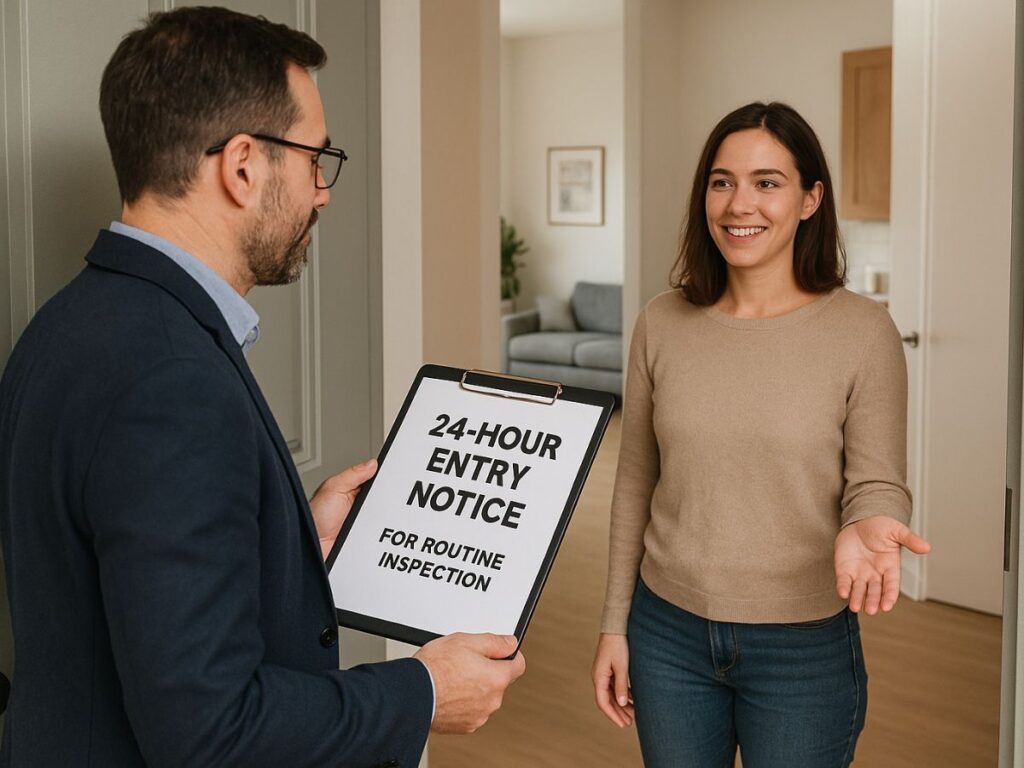
How to Legally and Respectfully Enter a Tenant’s Rental Unit As a landlord, your rental property represents a significant investment, and keeping a close eye on it is crucial. Just like any other investment, regular monitoring ensures that everything is in order, from maintaining the property’s condition to ensuring tenant satisfaction. Monitoring your rental property is not just about maintenance; it’s about building a relationship with your tenants. Open communication can lead to longer tenancies and a more harmonious living environment. Consider establishing regular check-ins or feedback sessions to understand their needs better and ensure their satisfaction. Additionally, the condition of your property can directly impact your investment value. Regular inspections can help you catch small issues before they become costly repairs. For example, a leaky faucet might seem minor, but if left unattended, it can lead to water damage and increased utility bills. Once a tenant moves in and signs a Tenancy Agreement, your approach to property access must comply with the regulations set by the Landlord and Tenant Board. Understanding your legal obligations is crucial. Familiarise yourself with the Ontario Residential Tenancies Act to ensure you are compliant with all regulations regarding property access. This knowledge will empower you to handle situations professionally and within the legal framework. Proper Access to Rental Property Gaining access to your rental property involves a straightforward procedure. Here are some key guidelines for landlords: 1. Coordinate with Tenants: The simplest way to gain access is to arrange a convenient time with your tenant. Example of Coordination: If you need to perform maintenance on a boiler, communicate with your tenant a week in advance to schedule a time that suits them best. This transparency builds trust and shows that you respect their space. 2. Provide Written Notice: If you need to enter the unit, give your tenant 24 hours written notice. Access should occur between 8:00 A.M. and 8:00 P.M. This ensures transparency and respects the tenant’s privacy. Importance of Written Notice: Providing written notice serves as a formal reminder and protects both parties. It establishes a record of communication, which can be useful should any disputes arise later on. 3. Emergency Situations: In emergencies like fire or water damage, prior notice is not required. Your tenant’s safety is paramount. Emergency Situations Explained: Emergencies can occur unexpectedly. For instance, a burst pipe requires immediate action to prevent flooding and further damage. In such cases, document your entry and any communication with the tenant for future reference. 4. Tenant Move-Out: If your tenant has given notice of moving out and you wish to show the unit to prospective tenants, prior written notice isn’t necessary. However, it’s courteous to inform the current tenant. Again, this should be done between 8:00 A.M. and 8:00 P.M. Best Practices During Tenant Move-Out: When a tenant plans to move out, conducting an exit inspection is beneficial. This way, you can address any damages and ensure the property is ready for new tenants. Dealing with Entry Refusals Maintaining a professional relationship with your tenants is vital in these situations. Always approach entry refusals calmly and respectfully, prioritizing dialogue over conflict. If a tenant refuses you entry, consider the following actions: Legal Recourse Considerations: If legal action becomes necessary, consult with a lawyer specialized in landlord-tenant issues. They can guide you on the best course of action and help navigate the complexities of the legal system. – Application to the Landlord and Tenant Board: You can file an application to evict the tenant if they repeatedly deny access. – Legal Action: A tenant’s refusal may lead to legal action, but this process can be lengthy, sometimes taking over six months, and any fines paid will not benefit you directly. Tenant Screening and Property Monitoring Proper tenant screening and regular property inspections are essential to maintaining your investment. A thorough screening process helps select reliable tenants, reducing potential entry issues. Moreover, regularly inspecting your property ensures it remains in good condition and helps address issues before they escalate. Regular inspections can also help you identify maintenance needs early on, such as checking for signs of pests, which can save you from more extensive issues later. Property Management Services For landlords who prefer to avoid the complexities of tenant management, property management services can be a valuable resource. Our team is dedicated to handling the challenges of being a landlord, providing peace of mind that your investment is well-managed and profitable. Property management services can also facilitate smoother communication with tenants, providing them with dedicated support for any queries or concerns they may have. If you are interested in learning more about our services, feel free to explore our website propertymanagementpartners.ca or reach out to our sales team at support@propertymanagementpartners.ca. We offer comprehensive property management solutions tailored to your needs. In Conclusion: Elevating Your Rental Property Management As a landlord in Ontario, it’s essential to stay informed and proactive in managing your rental property. Whether you choose to manage it yourself or engage a property management service, ensuring the property’s upkeep and tenant satisfaction should be a priority. Ultimately, effective rental property management hinges on respect, communication, and a proactive approach. By prioritizing tenant relationships and being diligent in property maintenance, you can enhance your investment’s value and ensure a steady income stream. Should you have any questions or topics you’d like more information on, please email me at support@propertymanagementpartners.ca or you can visit our website at https://propertymanagementpartners.ca/ to get more information about us. Keep an eye on our blog for more articles and insights about property management and being a successful landlord in Ontario. Regularly updating your knowledge of landlord-tenant laws and market trends will also keep you a step ahead. Consider joining local landlord associations or attending workshops to stay informed. Sincerely, Jason McGuire President With the right strategies and support, managing your rental property can be a rewarding endeavor. Never underestimate the importance of being an engaged landlord, as it pays off in the long run.
