
Financial Benefits of Professional Property Management Services

Unlocking the Financial Benefits of Professional Property Management
Meta Description: Discover how professional property management services reduce vacancies, boost rental income, control maintenance costs, and ensure legal compliance—maximizing your return on investment.
Summary:
Professional property management transforms rental ownership by streamlining operations, cutting expenses, and safeguarding your investment. Expert managers leverage market research and targeted marketing to reduce vacancies and set optimal rental rates, ensuring consistent cash flow. They enforce efficient rent collection policies and handle lease enforcement to protect against late payments and costly eviction errors.
Key Financial Advantages:
• Reduced Vacancies & Higher Income – Faster tenant placement and competitive pricing attract reliable, long-term tenants.
• Efficient Rent Collection – Consistent cash flow through strict payment enforcement and legal expertise.
• Improved Tenant Retention – Proactive communication and responsive maintenance lower turnover costs.
• Lower Maintenance Expenses – Vendor discounts and preventive inspections minimize repair bills.
• Legal Compliance & Risk Management – Up-to-date lease agreements and safety inspections prevent fines and lawsuits.
• Time Savings for Owners – Outsourced tasks free you to expand your portfolio or pursue new investments.
By engaging professional property management, landlords can save time, reduce financial risks, and maximize rental income—all while enjoying greater peace of mind.
Residential Tenancy Act on Property Management

Title: How the Residential Tenancy Act Impacts Property Management in Ontario – Mandatory Legal Representation & Rising Costs
Meta Description:
Learn how recent Residential Tenancy Act (RTA) rulings in Ontario affect property managers and small landlords: mandatory legal representation, capped rent increases, longer evictions, and advocacy tips.
Summary:
Key Changes – Mandatory Legal Representation
• Paid property managers can no longer represent clients at Landlord and Tenant Board hearings without a lawyer.
• Applies to all RTA applications, from non-payment of rent to eviction disputes.
• Aims to ensure professional, legally compliant tenant-landlord proceedings.
Impact on Small Property Management Firms & Independent Landlords
• Legal fees rise for every Landlord and Tenant Board application.
• 2.5% annual rent increase cap limits revenue growth.
• Eviction timelines can extend up to three months, tying up vacant units and cash flow.
• Smaller operations face tighter margins compared to larger landlords already using in-house legal teams.
Broader Legal & Economic Context
• Uniform RTA rules apply equally to single-unit landlords and large enterprises.
• Tenant protections remain strong, but resource disparities create unequal burdens.
• Standardized processes promote fairness yet may stifle small-scale operators.
Action Steps for Landlords & Property Managers
• Secure cost-effective legal representation or retain a specialized tenancy lawyer.
• Join local landlord associations to share best practices and bulk legal services.
• Engage in advocacy: sign or organize petitions calling for RTA revisions that consider small landlords.
• Stay informed on legislative updates and RTA interpretations to avoid compliance risks.
Conclusion
The recent interpretation of Ontario’s Residential Tenancy Act introduces significant challenges for property managers and independent landlords. By proactively securing legal support, collaborating with peers, and participating in advocacy efforts, stakeholders can navigate these changes and help shape balanced regulations for a sustainable rental market.
How Many Rentals Before Hiring a Property Manager?

Title: Expanding Your Rental Property Portfolio: When to Hire a Property Manager
Meta Description:
Grow your rental property portfolio stress-free. Learn the right time to hire a property manager, boost cash flow, reduce vacancies, and invest in distant markets.
SEO Keywords:
rental property portfolio, property management, hire a property manager, reduce vacancies, improve cash flow, remote real estate investing, landlord seminars
Summary:
Owning and managing rental properties can be rewarding but time-consuming. From your very first property, a professional property manager can handle tenant relations, maintenance, rent collection, and legal compliance—freeing you to focus on strategic growth. As your portfolio grows, they leverage industry connections to developers, contractors, and financial advisors to enhance property values and pursue new investment opportunities.
Many property management firms offer educational seminars that cover management styles, property types, and market strategies. These sessions help landlords make informed decisions, optimize cash flow, and reduce vacancy periods through targeted marketing and lease-renewal tactics. With expert oversight, you can confidently invest in geographically distant properties, diversify your holdings, and maintain tenant satisfaction no matter where your assets are located.
Ready to unlock your investment’s full potential? Start with a property management assessment to identify gaps in your current strategy and determine how a dedicated property manager can elevate your portfolio’s performance. Visit PMPservice.ca/property-management-assessment to learn more.
When Should I Hire A Property Management Company?

Investing in a property management company offers property owners and real estate investors a proven way to maximize rental income, reduce stress and scale their portfolios. By outsourcing day-to-day operations to industry experts, you benefit from:
• Local Expertise: A management team on-site ensures prompt maintenance, tenant screening and legal compliance—even when you’re miles away.
• Stress Reduction: Professionals handle emergencies, disputes, noise or pet issues, so you’re never on call 24/7.
• Scalable Growth: Whether you own one property or several, expert management prevents bottlenecks, allowing you to pursue new acquisitions without sacrificing quality.
• Goal Alignment: From first-time landlords to seasoned investors, a management company adapts to your short- and long-term objectives, freeing you to focus on strategy rather than daily tasks.
• Cost Efficiency: Proactive maintenance, streamlined vendor relationships and effective rent collection improve cash flow and deliver a strong return on investment.
Outsourcing to a qualified property management company empowers you to expand your real estate holdings, enhance tenant satisfaction and maximize profits.
Future of Property Management: Trends for the Next Decade

Stay ahead in property management by embracing the top trends reshaping the industry:
• AI-Powered Automation: Deploy AI chatbots for instant tenant support and predictive maintenance tools to forecast repairs, cut costs, and minimize downtime.
• Smart Property Technology: Integrate IoT devices such as keyless entry systems, smart thermostats, and energy-efficient lighting to boost tenant satisfaction, streamline operations, and increase property value.
• Sustainability & Green Initiatives: Install solar panels, rainwater harvesting, and energy-efficient appliances to lower utility bills, reduce environmental impact, and attract eco-conscious tenants.
By combining AI in property management, smart home innovation, and eco-friendly practices, you’ll optimize lease management, improve operational efficiency, and enhance tenant retention. Prepare now for the future of property management—leverage these key trends to drive growth, meet evolving tenant expectations, and secure long-term ROI.
Understanding the Toronto Rental market: Trends and Insights

SEO Title: Toronto Rental Market Trends 2025 – High Demand, Rising Prices & Suburban Growth
Meta Description: Explore key trends in Toronto’s rental market—limited supply, soaring rents, and suburban demand—and learn investment strategies for landlords and investors in 2025.
Summary:
Toronto’s rental market remains one of Canada’s most dynamic and competitive, driven by rapid population growth, urban living demand, and economic shifts. Understanding these trends is crucial for landlords, investors, and renters.
1. High Demand & Limited Supply
• Vacancy rates around 1–2%, well below the national average.
• Population influx from job opportunities, universities, and cultural attractions.
• Delays in new construction and land constraints exacerbate tight inventory.
2. Surging Rental Prices
• One-bedroom apartments average over $2,000/month downtown.
• High interest rates and housing costs push more people to rent.
• Premium properties near transit or with modern amenities command top dollar.
3. Suburban Rental Growth
• Neighborhoods like Scarborough, North York, and Etobicoke see rising demand.
• Remote work fuels preference for space and affordability outside the core.
• Suburban investments offer attractive returns as prices climb.
4. Strategies for Landlords & Investors
• Target emerging suburban hotspots and transit-oriented developments.
• Upgrade units with energy-efficient features and desirable amenities.
• Monitor rent-control regulations and adjust pricing for maximum occupancy.
By aligning property offerings with these Toronto rental market trends—low vacancies, rising rents, and suburban expansion—stakeholders can optimize returns and stay ahead in one of Canada’s most vibrant rental landscapes.
How to Market Your Rental Property Effectively: Tips from the Pros
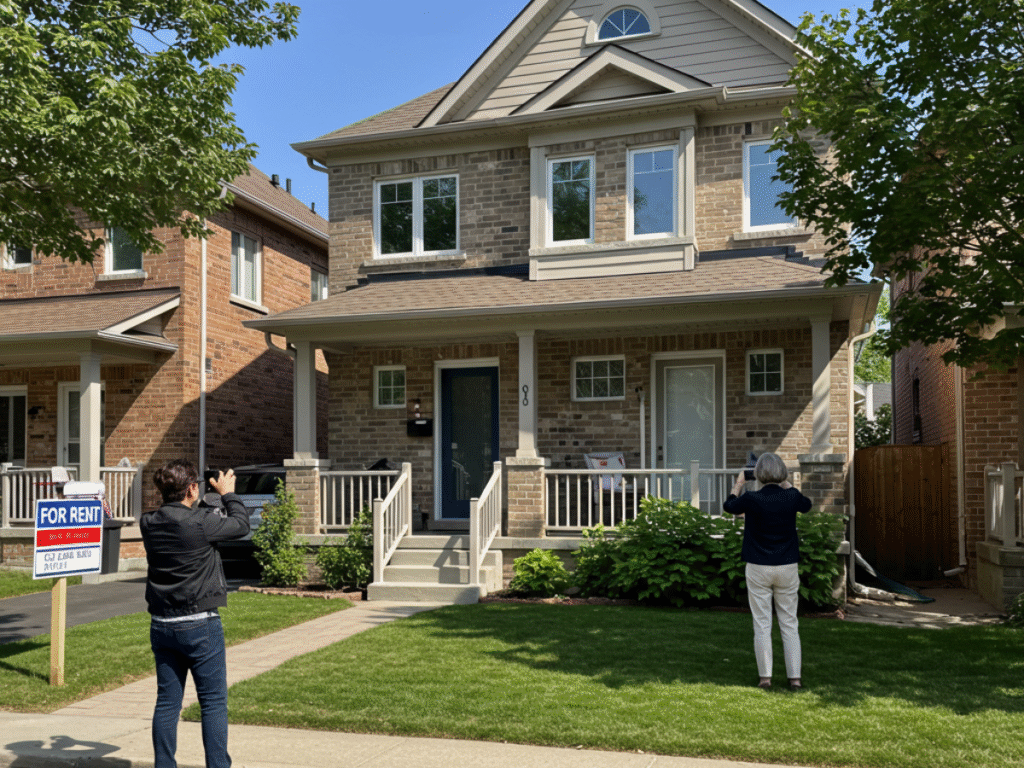
Boost your rental property’s occupancy and attract high-quality tenants with these SEO-friendly marketing strategies:
1. Craft SEO-Optimized Listings
• Highlight unique features—energy-efficient appliances, modern interiors, nearby amenities—and use location-specific keywords (e.g., “downtown two-bedroom near public transit”).
• Post on top rental platforms like Zillow, Trulia, Craigslist, plus social media channels such as Facebook Marketplace and Instagram.
2. Showcase with Professional Photography & Virtual Tours
• Invest in high-resolution photos and 360° virtual tours to give prospective tenants an immersive, remote viewing experience.
• Quality visuals boost click-through rates and help your listing stand out in search results.
3. Set Competitive Rental Pricing
• Research comparable rentals to align your price with market trends.
• Offer incentives—first-month discounts or waived security deposits—to fill vacancies faster.
4. Streamline with Property Management Software
• Automate rent collection, maintenance requests, and tenant screening.
• Improve response times and track communications for better tenant satisfaction.
5. Respond Quickly & Build a Strong Online Reputation
• Reply promptly to inquiries to secure leases faster.
• Encourage happy tenants to leave positive Google and Yelp reviews to enhance trust and credibility.
By combining engaging, SEO-friendly listings with professional visuals, competitive pricing, efficient management tools, and prompt communication, you’ll maximize visibility, minimize vacancies, and build a reputable rental brand.
The Ultimate Guide to Property Inspections: What to Expect and How to Prepare

Title: The Ultimate Guide to Regular Property Inspections for Rental Properties
Meta Description:
Discover the benefits of regular property inspections for landlords and tenants. Learn about move-in, routine, drive-by, and move-out inspections, plus preparation tips to protect your investment and maintain tenant satisfaction.
Summary:
Regular property inspections are a cornerstone of proactive property management, helping landlords maintain rental properties, preserve value, and foster positive tenant relationships. By scheduling and documenting move-in, routine, drive-by, and move-out inspections, property owners can:
• Prevent costly repairs: Early detection of maintenance issues—plumbing leaks, electrical faults, HVAC problems—saves time and money.
• Protect security deposits: Thorough move-in and move-out inspections, backed by photos or video, ensure fair deductions only for damages beyond normal wear and tear.
• Ensure lease compliance: Routine visits confirm tenants adhere to pet, occupancy, and exterior modification rules.
• Enhance curb appeal: Drive-by inspections flag landscaping neglect or external damage before it escalates.
Preparation Checklist:
1. Provide 24–48 hour advance notice per local laws
2. Use a comprehensive inspection checklist covering plumbing, electrical, safety devices, and structural elements
3. Document each area with clear photos or videos
4. Communicate findings promptly and schedule necessary repairs
By integrating these best practices into your property management routine, you’ll safeguard your investment, maintain high-quality rentals, and build transparent, trust-based relationships with tenants.
Toronto Property Management with 3D Virtual Tours

Title: Revolutionizing Toronto Property Tours with 3D Virtual Technology
Meta Description: Discover how 3D virtual tours transform property management in Toronto—streamline showings, boost tenant engagement, and reduce vacancy periods with immersive walkthroughs, dollhouse views, and interactive floor plans available 24/7.
Summary:
In Toronto’s competitive real estate market, 3D virtual tours are a game-changer for property managers and landlords. By capturing high-definition, 360° images with advanced six-lens cameras, these tours create realistic, interactive models that prospective tenants can explore from anywhere. This digital solution accelerates decision-making, reduces in-person showings, and lowers operational costs—ultimately shortening vacancy periods and increasing rental turnover.
Key Benefits:
• Enhanced Tenant Experience: Virtual walkthroughs, dollhouse views, and floor plans let renters inspect every detail—room dimensions, window placements, finishes—at their convenience.
• Time & Cost Efficiency: Fewer in-person visits save travel time and staffing resources, delivering faster lease signings and lower marketing expenses.
• 24/7 Online Exposure: Listings with 3D tours attract more clicks and inquiries, expanding reach and engaging tech-savvy renters around the clock.
• Competitive Advantage: Offering immersive virtual tours positions your properties ahead of the curve, elevating your brand in Toronto’s digital rental landscape.
Embrace 3D virtual technology to streamline your property management workflow, delight tenants with unparalleled access, and stay ahead in Toronto’s fast-moving real estate industry.
First in Toronto: We Have the Latest in 3D Technology

Summary
Landlords and property investors face a range of unexpected challenges—illegal tenant activities, unapproved pets, disputes (tenant–tenant, domestic, neighbor), property neglect, and unauthorized occupancy—that can disrupt cash flow and trigger legal complications.
Key Takeaways
• Treat your real estate holdings as a business: anticipate risks, set clear policies, and prepare solutions in advance.
• Two primary management paths:
– Self-manage to gain hands-on experience, resolve issues directly, and control costs.
– Delegate to a professional property management team to enjoy passive income, leverage expert tenant screening, and offload day-to-day problem resolution.
Why It Matters
Choosing the right approach depends on your long-term goals, time commitment, and appetite for direct involvement. Early self-management can teach invaluable lessons, but partnering with seasoned managers frees you to scale your portfolio and focus on wealth building.
By weighing these options, you’ll protect your investment, streamline operations, and ensure tenant satisfaction—key drivers of sustainable property-ownership success.
