The Importance of Regular Property Inspections
Regular property inspections are crucial for maintaining rental properties and ensuring tenant satisfaction. These inspections allow landlords to assess the property’s condition, identify potential maintenance issues, and verify that tenants adhere to lease terms. Here’s everything you need to know about property inspections, including what to expect and how to prepare for them.
In addition to spotting maintenance needs, these visits provide an opportunity to confirm tenants are caring for the property responsibly. Landlords can check for unauthorized pets, excessive clutter, or unreported damages that may violate the lease agreement. Clear communication during inspections fosters a positive landlord-tenant relationship, showing tenants that the landlord is proactive about upkeep rather than neglectful.
Preparation is key for smooth inspections. Landlords should notify tenants well in advance, provide a checklist of areas to be reviewed, and schedule inspections at reasonable times. Documenting each visit with photos and notes helps track the property’s condition over time and protects both parties in case of disputes.
Ultimately, regular property inspections are not just about enforcement—they’re an investment in property longevity, tenant satisfaction, and legal compliance, all of which contribute to a stress-free rental experience for everyone involved.
Types of Property Inspections
There are several types of property inspections, each serving a unique purpose in property management.
Move-In Inspection
A move-in inspection is conducted before a tenant officially moves in. This inspection serves as a baseline record of the property’s condition, documenting everything from the cleanliness of the unit to any existing damages. It is essential for both landlords and tenants to be present for this inspection to review and agree on the property’s condition. Taking photos or videos as documentation is highly recommended.
Routine Inspections
Routine property inspections, typically done every three to six months, help landlords ensure the property is being maintained properly. During these inspections, landlords or property managers assess the overall condition of the unit, check for any new damage, and confirm that tenants are following lease requirements, such as adhering to pet or occupancy restrictions.
Drive-By Inspections
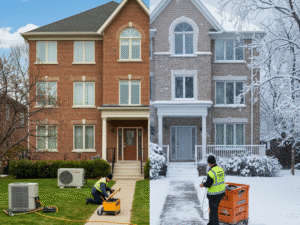
Drive-by inspections are less formal and are usually done without entering the property. They allow landlords to assess the exterior for signs of neglect, such as unkempt landscaping or external damage. Drive-by inspections are helpful for spotting unauthorized modifications to the exterior.
Move-Out Inspection
This inspection occurs once a tenant vacates the property and is essential for comparing the property’s current condition to the initial move-in report. Any damage beyond normal wear and tear can be deducted from the tenant’s security deposit. A move-out inspection should be thorough, documenting any needed repairs or replacements.
Preparing for a Property Inspection
Preparation is key to conducting an effective property inspection. Here are some steps to ensure you’re ready:
Notify Tenants in Advance:
Giving tenants advance notice, typically 24 to 48 hours, is required by law in many jurisdictions. This helps maintain a good relationship with tenants and allows them to prepare for the inspection.Create a Checklist:
A landlord property checklist ensures that no aspect of the property is overlooked during the inspection. Include items such as plumbing fixtures, HVAC systems, smoke detectors, and exterior elements.Inspect Key Areas Thoroughly:
During the inspection, pay close attention to high-priority areas that often require maintenance, such as plumbing, electrical systems, and heating/cooling systems.Take Photos for Documentation:
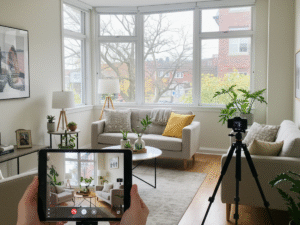
Photographic evidence is invaluable, especially during move-in and move-out inspections. Documenting each room with photos or videos provides an accurate record, which can be useful in case of disputes regarding property conditions.Communicate with Tenants Post-Inspection:
After the inspection, update tenants on any findings and, if necessary, schedule repairs. Open communication with tenants about any planned maintenance ensures a smooth process and keeps the property in good condition.
Conclusion
Property inspections are an essential practice for maintaining the quality and safety of rental properties. By conducting regular inspections, documenting findings, and addressing maintenance needs promptly, property owners can keep their properties in good condition and create positive tenant relationships. Regular inspections not only preserve the integrity of the property but also contribute to a trusting and transparent relationship with tenants, making them a fundamental part of rental property management.
Protect your rental investment, book a professional inspection with Property Management Partners today and ensure peace of mind today.