
22 Things Landlords Must Know

Optimize your rental property management and protect your investment with these 10 essential landlord tips:
1. Prompt Rent Enforcement & Legal Compliance
• Issue non-payment notices immediately and follow your local Residential Tenancy Act.
• Enforce annual rent increases to keep pace with market rates.
2. Thorough Inspections & Documentation
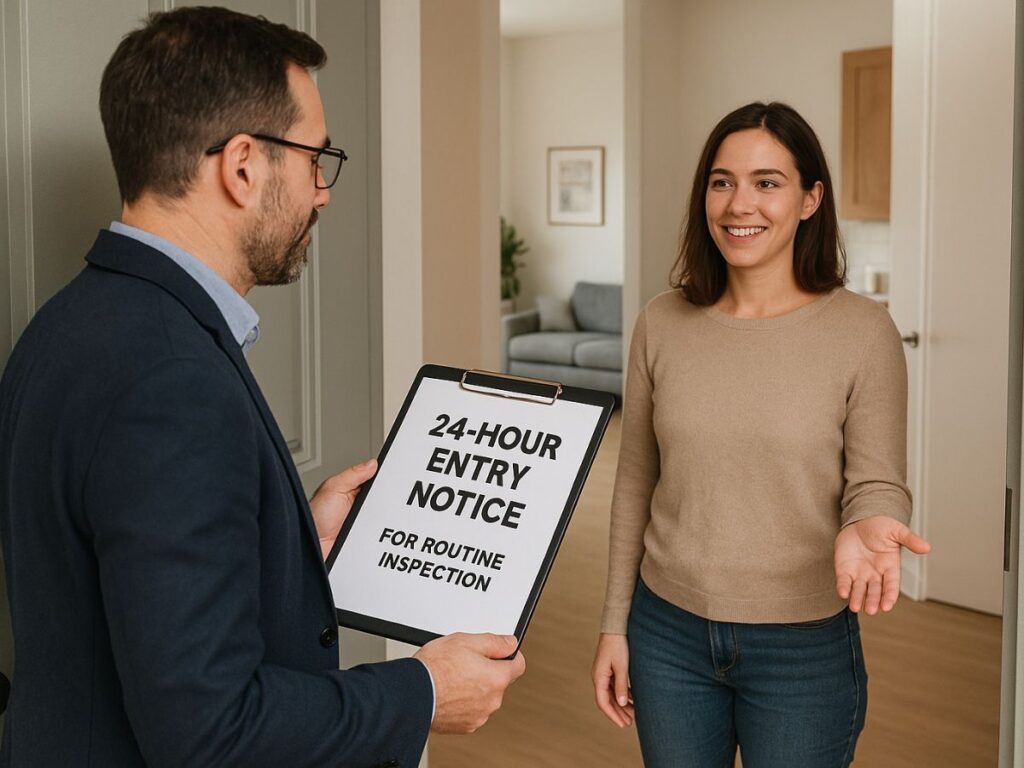
• Conduct detailed move-in and regular property inspections with reports and photos.
• Require written maintenance requests to create an audit trail.
3. Proactive Maintenance & Energy Efficiency
• Change furnace filters regularly and keep emergency space heaters on hand.
• Upgrade lighting and install low-flow toilets or solar panels to cut costs and earn rebates.
4. Strong Tenant Screening & Communication
• Verify credit, employment, and rental history to avoid problematic tenants.
• Foster open, written communication to resolve issues early.
5. Financial & Time Management
• Allocate ~10% of rent income for professional property management.
• Prepare for after-hours emergencies by lining up reliable plumbers and electricians.
By staying organized—documenting everything, understanding your legal obligations, and investing in efficient upgrades—you’ll maintain happy tenants, avoid fines, and maximize long-term returns on your rental properties.
How to Price New Rental Properties

SEO-Friendly Summary: How to Price New Rental Properties
Meta Description:
Discover proven strategies to price new rental properties competitively, minimize vacancy periods, and maximize rental income using market research, value-added enhancements, and expert guidance.
Key Takeaways:
• Importance of Accurate Pricing
– Avoid prolonged vacancies and high carrying costs by setting rent that reflects current market dynamics.
– Well-priced units attract qualified tenants quickly, reducing financial strain on investors.
• Impact of Market Saturation
– Large inventory influx in new condo developments can drive down rental rates.
– Monitor nearby building openings and competitor listings to adjust pricing proactively.
• Creating Value to Justify Rent
– Add amenities: window treatments, fresh paint, upgraded fixtures.
– Offer incentives: reserved parking, storage lockers, flexible lease terms.
– Position your property as a higher-value option or slightly undercut competitors to fill vacancies fast.
• Case for Reduced Rent vs. Vacancy Costs
– Calculate lost revenue: a $2,000/month unit empty for one month costs more than reducing rent to $1,900/month.
– Immediate leasing at a modest discount can save thousands in vacancy losses over a year.
• Strategic Pricing Plan
– Conduct thorough market research: compare comparable rentals, track local demand trends.
– Understand tenant preferences: prioritize in-unit features, community amenities, and lease flexibility.
– Consult property managers and real estate experts regularly to refine pricing strategies.
Conclusion:
Successful rental pricing hinges on balancing market conditions, tenant expectations, and investment goals. By adopting a proactive, value-driven approach—backed by data and expert advice—you’ll minimize vacancies, optimize rental income, and position your property as a top choice in a competitive market.
Latest Property Management Poll and Expert Interview

Title: When Should Canadian Real Estate Investors Hire a Property Manager? Poll Reveals Key Insights
Meta Description: Discover key poll results on when Canadian investors hire a property manager, plus expert tips on maximizing ROI with professional property management services.
Summary:
A recent Canadian Real Estate Magazine poll asked investors at what portfolio size they’d engage a property manager. Results show:
• 61% wait until they own 4+ properties
• 18% hire one manager per property
• 13% bring in a manager at 3 properties
• 9% start with just 2 properties
Key SEO Keywords: property management Canada, hiring a property manager, real estate investors, portfolio development, professional property management benefits.
Why Hire a Property Manager?
• Higher-Quality Tenants through rigorous screening
• Lower Vacancy Rates via targeted marketing
• Significant Time Savings for landlords
• Expert Compliance with rent collection, leases, evictions and regulations
Expert Insight: Jason McGuire of Property Management Partners stresses that effective landlords need training or professional support to navigate tenant agreements, legal requirements and operational complexities.
Value for Small-Scale Investors:
Even with one or two properties, professional management can boost returns, minimize risks and free up time for new investments or personal pursuits.
Conclusion and Next Steps:
Determine your tipping point by weighing management fees against benefits. Consult experienced managers like Jason McGuire to build a scalable, profitable real estate portfolio.
Call to Action: Ready to streamline your rental operations? Contact Property Management Partners today for a tailored management plan.
Pros and Cons of Befriending Your Tenants

Title: Pros and Cons of Befriending Your Tenants – A Landlord’s Guide
Meta Description: Discover the key benefits and pitfalls of landlords befriending tenants. Learn how maintaining professional boundaries—or enlisting a property manager—protects your rental income and property value.
Summary:
Renting is first and foremost a business transaction, and blurring the lines between landlord and friend can lead to complications. While a friendly rapport may encourage on-time rent payments, better property care, and smoother inspections, the risks often outweigh the rewards.
Pros of Befriending Tenants
• Reliable rent payments: Tenants may feel a personal obligation to pay on time.
• Enhanced property maintenance: Friends tend to treat your property with greater respect.
• Simplified inspections: A cordial relationship can make scheduling and conducting walkthroughs easier.
Cons of Befriending Tenants
• Blurred professional boundaries: Interferes with property managers and creates mixed messages.
• Miscommunication: Multiple communication channels lead to confusion and potential disputes.
• Rent negotiation pressure: Tenants may pressure you to keep rates below market value.
• Weakened authority: A friendly bond can undermine rule enforcement and timely payments.
• Inconsistent maintenance: Informal dynamics may lead to laziness or awkward money discussions.
• Favoritism issues: Unequal treatment across multiple units breeds tenant dissatisfaction.
Conclusion
For most landlords, the drawbacks of turning tenants into friends outweigh the upsides. Hiring a professional property management company preserves clear boundaries, ensures consistent communication, and safeguards your rental income—delivering peace of mind and long-term profitability.
Summer Maintenance Tips For Your Rental Property

Title: Summer Maintenance Tips for Your Rental Property
Summary:
Keep your rental property in top shape and boost tenant satisfaction with these essential summer maintenance tips. Proactively tackling seasonal tasks—like HVAC servicing, insulation upgrades, roof and gutter inspections, and exterior repairs—helps you avoid costly winter emergencies, improve energy efficiency, and reduce vacancy rates.
Key Summer Maintenance Tasks for Rental Property Owners:
• HVAC System Checks: Schedule late-summer tune-ups to ensure heating readiness, prevent breakdowns, and save on future repairs.
• Carpet Cleaning & Drying: Freshen up carpeting with open windows for quick drying before colder months.
• Furniture Rearranging: Swap summer décor for winter storage options and prioritize safety when moving heavy items.
• Insulation Inspection: Assess and upgrade insulation to lower heating costs and maintain tenant comfort.
• Window Caulking: Seal drafts in late summer so caulk cures properly, improving energy efficiency.
• Roof & Gutter Inspections: Repair summer damage, clear debris, and prepare gutters for autumn rains and winter snow.
• Exterior Repairs & Painting: Clean decks and patios, seal cracks, repaint as needed, and fix driveway or walkway damage.
• Outdoor Amenities Maintenance: Service pools, grills, tennis courts, and walking routes as temperatures moderate.
• Professional Consultation: Partner with property management experts for tailored advice and targeted solutions.
By staying ahead with these summer maintenance tips, rental property owners protect their investment year-round, enhance tenant loyalty, and minimize future repair costs.
How Canada’s Real Estate Market Is Changing and What to Expect

SEO Title: Toronto Real Estate & Property Management Trends: Insights from Jason McGuire
Meta Description: Discover how Toronto’s real estate market has evolved, why property management is professionalizing, and expert tips on technology, regulations, and tenant experience from Jason McGuire, CEO of Property Management Partners.
Summary:
In this interview, Jason McGuire, CEO of Property Management Partners, shares actionable insights for Toronto property owners and investors:
1. Market Evolution in Toronto Real Estate
– Shift from ultra-low rates to 7–8% interest, driving out undercapitalized investors
– Importance of long-term financial planning in today’s higher-rate environment
2. Professionalization of Property Management
– Transition from “mom-and-pop” operations to full-service firms offering cash-flow management and wealth-building education
– Services now tailored to both small residential portfolios and large commercial assets
3. Future Trends & Regulatory Outlook
– Anticipated licensing and formal education requirements as the industry becomes regulated
– Need for property owners to partner with managers who can navigate evolving compliance standards
4. Technology’s Impact on Property Management
– From phone-and-checklist models to automated workflows, CRM platforms, and predictive analytics
– Enhanced tenant experience through efficient communication, while preserving personal relationships
5. Common Mistakes & Investment Tips
– New investors often underestimate operational responsibilities and legal risks
– Essential to set clear investment goals (short-term vs. long-term) and educate yourself on real estate fundamentals
6. Maximizing Asset Value Through Tenant Experience
– Foster strong tenant relationships by adapting to preferred communication channels (text, email, portals)
– Regularly review local tenancy laws and best practices (suggested quarterly) to ensure compliance and avoid disputes
7. Choosing the Right Property Management Company
– Look for proven expertise, transparent processes, and alignment with your investment objectives
– Ask about industry credentials, technology stack, and track record in tenant retention
By staying informed on market shifts, embracing technology, prioritizing tenant satisfaction, and working with knowledgeable professionals, Toronto property owners can secure and grow their real estate investments in a rapidly changing landscape.
The Pros And Cons Of Allowing Pets In Your Rental

Title: The Pros and Cons of Allowing Pets in Your Rental Property
SEO Summary:
With 58% of Canadians owning pets, adopting a pet-friendly rental policy can give landlords a competitive edge. Allowing pets in your rental property can:
Pros:
– Expand your tenant pool by tapping into the large market of pet owners
– Command higher rent in areas with limited pet-friendly options
– Encourage long-term leases, as pet owners often stay put
– Attract more responsible tenants who care for both their pets and your property
Cons:
– Risk property damage (scratches, chewing, staining) and added repair time
– Increase noise complaints, potentially disturbing neighbors
– Lead to unpleasant odors if pets aren’t properly maintained
– Create allergy concerns from dander in carpets and ducts
Ultimately, weigh these factors against your property’s condition and local market. For a tailored recommendation, consider a free assessment to determine if a pet-friendly approach will boost your rental income and occupancy.
Video Interview with Canadian Real Estate Wealth
SEO Title: Do You Really Need a Property Manager? Insights for Canadian Real Estate Investors
Meta Description: Discover whether hiring a property manager can boost your rental income, save time, and navigate legal complexities. Learn expert tips from Canadian Real Estate Wealth.
Summary:
In a recent Canadian Real Estate Wealth interview, Property Management Partners share why professional property management may be a game-changer for real estate investors. Key takeaways:
1. Role of a Property Manager
– Tenant screening, lease administration, rent collection
– Maintenance coordination and budget oversight
– Legal compliance with provincial and municipal regulations
2. Top Benefits
– Time Management: Outsource day-to-day tasks and focus on scaling your portfolio
– Local Expertise: On-the-ground knowledge for properties across different regions
– Tenant Relations: Professional handling of disputes and lease renewals
– Vacancy Reduction: Targeted marketing to secure quality tenants quickly
3. Financial Impact
– Typical fees (5–10% of rental income) can be offset by reduced vacancies, fewer costly mistakes, and proactive maintenance
– Manager insights on rental market trends help you optimize pricing and investment strategy
4. Self-Management vs. Hiring a Professional
– Ideal for single-property owners with ample time and experience
– Professional managers are recommended for multi-property portfolios or passive investors
Conclusion: Align your choice with your investment goals, available time, and desired level of involvement. For deeper expert analysis, watch the full Canadian Real Estate Wealth interview with Property Management Partners.
How Our Tenant Management Services Improve Tenant Retention

SEO-Friendly Summary:
Property Management Partners specializes in maximizing tenant retention and satisfaction through a comprehensive suite of tenant management services tailored for rental property owners. By focusing on proactive communication, rapid maintenance response, and regular property inspections, we ensure tenants feel valued and supported throughout their lease.
Key Tenant Retention Strategies:
• Effective Communication: Prompt responses to inquiries and clear updates build trust and community.
• Swift Maintenance & Repairs: A vetted network of contractors addresses issues quickly, maintaining a high-quality living environment.
• Regular Inspections: Early detection of potential problems keeps properties in top condition and tenants happy.
• Flexible Lease Renewals: Month-to-month options and customizable terms accommodate tenants’ changing needs.
• Professional Conflict Resolution: Fair, timely handling of disputes creates a respectful rental experience.
• Community Building: Tenant events and shared amenities foster connections that encourage long-term stays.
• Enhanced Amenities & Tech: Fitness centers, high-speed internet, and online portals streamline daily life for residents.
• Tenant Feedback Loop: Surveys and feedback sessions guide continuous improvements in service and amenities.
By integrating these strategies, Property Management Partners not only reduces turnover and operational costs but also upholds a positive reputation for your rental properties—resulting in steady income and long-term tenant loyalty.
Navigating Evictions: A Property Manager’s Legal and Ethical Guide

SEO-Friendly Summary: Navigating the Eviction Process for Property Managers
Learn how property managers can handle the eviction process legally, ethically and with minimal conflict. This guide covers everything from understanding local eviction laws to coordinating a smooth move-out and improving future tenant relations.
Key Steps:
1. Understand Local Eviction Laws
• Research your jurisdiction’s rules (e.g., Ontario’s Residential Tenancies Act and Landlord and Tenant Board procedures).
• Know valid eviction grounds (non-payment, lease violations), notice periods and timelines.
2. Explore Alternatives to Eviction
• Offer a structured payment plan for tenants in arrears.
• Use third-party mediation to resolve disputes amicably.
• Negotiate mutual termination agreements to avoid formal eviction.
3. Serve Correct Legal Notices
• Issue notices that state the eviction reason and comply with local timeframes.
• Keep detailed records of all communications and delivery receipts.
4. File with the Proper Authority
• Submit required documentation—lease agreements, rent ledgers, communication logs—to your local tribunal or court.
• Attend hearings prepared with clear evidence.
5. Maintain Ethical Eviction Practices
• Never change locks, shut off utilities or shame tenants.
• Treat tenants respectfully and follow all legal procedures.
6. Coordinate the Move-Out Process
• Provide clear instructions on key return, cleaning expectations and timelines.
• If tenants refuse to vacate, involve law enforcement to ensure a peaceful, lawful removal.
7. Refine Your Property Management Approach
• Use eviction insights to strengthen tenant screening and lease clauses.
• Communicate expectations clearly at lease signing to reduce future disputes.
By understanding eviction laws, prioritizing alternatives, serving proper notices, and maintaining ethical standards, property managers can protect their investments, uphold compliance and foster a fair renting experience for everyone.
