
What to Expect from Property Management Partners in 2025

As we move into 2025, Property Management Partners is committed to delivering outstanding property management services. We believe that continuous improvement and adaptation are key to success, especially in a dynamic environment like property management. Our dedication to innovative solutions was evident when we quickly adapted to the challenges presented by the COVID-19 pandemic, becoming industry leaders in Toronto by adopting Virtual 3D Tours. This innovation has benefited both our property investors and tenants, and as we move forward, we aim to continue bringing cutting-edge services to our clients. Key Improvements to Expect in 2025 1. Enhanced Owner Transparency We are committed to maintaining a client-centric approach by giving you more control over your investment property with enhanced transparency. Aside from our monthly reports, property owners will now have 24/7 access to insights through our online portal. You will have the ability to review tenant inquiries, applications, showings, and feedback at your convenience. Additionally, you will receive a “Detailed Maintenance Outline” that provides information on maintenance requests and scheduled jobs. These tools and analytics will enable you to make informed decisions about your investment portfolio, and we are here to provide guidance whenever needed. 2. Expanded Owner Education Content Echoing Benjamin Franklin’s wisdom that “an investment in knowledge pays the best interest,” we believe in empowering our clients with valuable information. In 2025, expect a wealth of educational content designed to guide property investors. Our content will include tips, market updates, and strategic insights to help you stay ahead in a competitive market. We will enhance our engagement on various platforms, including social media, blogs, and email newsletters, ensuring you receive expert advice and the latest industry trends from Property Management Partners. 3. Launch of a New Website We are thrilled to announce that a brand-new website will be launching soon. This improved platform will offer a faster, more responsive experience for property investors and tenants. The new website will be a central hub for accessing enhanced features such as transparent property insights and owner education content. It will also house a suite of tools to assist property owners in their management activities. Stay tuned for updates on the launch date, as we are eager to reveal these exciting new changes. Conclusion These improvements are made possible by your unwavering trust and support in our services. Despite the challenges of 2024, we are optimistic about the prospects of 2025, and we are committed to delivering more success and opportunities to our clients. If you have any questions or wish to learn more about how we can assist you, please feel free to contact us or call at (416) 642-1404. We look forward to serving you with enhanced dedication and expertise.
Effective Marketing for Vacant Units: Strategies for High-Level Investors

Introduction: Why Effective Marketing Matters Effective marketing is crucial for high-level real estate investors aiming to minimize vacancy periods and maximize ROI. With growing competition and evolving tenant expectations, relying on traditional listings isn’t enough. High-performing investors use smart data, strong branding, and immersive visuals to attract qualified tenants quickly. This blog explores expert-level techniques tailored to make marketing more efficient and impactful. Use Data-Driven Pricing for Effective Marketing Setting the right rental price is a foundation of effective marketing. Instead of guessing rates, successful investors analyze real-time market data to determine competitive pricing that attracts tenants without sacrificing income. Strategies That Work: Use analytics tools like Rentometer or Zillow Rental Manager to assess comparable rates. Monitor seasonal trends and local demand to dynamically adjust rent. Offer flexible lease options or amenities-based pricing for increased appeal. Accurate pricing makes your listing more attractive and increases inquiries, reducing time on the market. Build a Strong Brand Identity for Your Rental Portfolio Effective marketing goes beyond price—it’s about positioning. High-end tenants aren’t just renting space; they’re choosing a lifestyle. Create a strong brand identity that reflects professionalism and premium living. Tips for Brand Building: Use custom branding for listing images, property signage, and online materials. Highlight amenities like gyms, lounges, or smart home systems that reflect upscale living. Maintain consistent messaging across platforms, including your website and brochures. For example, at Property Management Partners, a consistent brand image across listings builds tenant trust and enhances perceived value. Showcase Properties with High-Impact Visuals Effective marketing relies heavily on visual presentation. Invest in media that captures your unit’s best features and engages prospective tenants online. Visual Tools to Consider: Professional photos with proper lighting and angles. 3D virtual tours that simulate in-person walkthroughs. Drone footage to highlight the neighborhood or property exterior. Augmented reality tools can also help potential tenants visualize furniture placement and room layout. Listings with immersive visuals get more clicks, longer viewing times, and higher conversion rates. Leverage Exclusive Advertising Channels Standard listing sites are saturated. High-level investors should use exclusive platforms and personal networks for more targeted outreach. Exclusive Promotion Ideas: Advertise on luxury rental platforms like RentCafe, Realtor.ca, or Listanza. Collaborate with high-end leasing agents or relocation services. Host invite-only open house events for qualified applicants. This level of personalization elevates your brand and attracts reliable tenants who value quality service. Prioritize Tenant Retention Through Engagement Effective marketing doesn’t stop when a lease is signed. Long-term tenant satisfaction reduces vacancy and marketing costs. Retention Strategies: Use CRM tools to track communications and respond promptly. Offer loyalty incentives like early renewal bonuses or upgraded appliances. Conduct quarterly surveys to improve tenant experience. Keeping your tenants happy means fewer turnovers and more stable cash flow, which benefits your bottom line. Internal Technology and Support Matters Using digital tools for scheduling, messaging, and listing automation simplifies management and enhances tenant perception. Tools like online applications, digital lease signing, and maintenance portals improve efficiency and demonstrate professionalism. Property Management Partners offers full-service support to streamline marketing, leasing, and tenant communication—ideal for investors managing multiple properties. Learn from Global Trends Global rental markets often influence local expectations. For instance, many landlords now follow digital staging and smart automation trends to boost interest. Keeping up with these innovations keeps your marketing strategy sharp and future-proof. Conclusion Effective marketing is the key to maintaining consistent occupancy and maximizing ROI. By using data-driven pricing, professional branding, immersive media, and exclusive outreach strategies, investors can significantly improve rental performance. Additionally, focusing on tenant engagement and retention solidifies long-term success. With the right strategy, even short vacancies can become rare, ensuring your investment continues to grow year after year. Maximize your investment with effective marketing. Get in touch today to optimize your property with the right pricing, strong branding, and powerful visuals!
Anticipate What Can Go Wrong Or Hire A Professional Property Manager?

Navigating Property Ownership: Handling Unexpected Challenges Owning rental property can be an exciting venture, but it often comes with unexpected challenges that can overwhelm even the most prepared landlords. While managing a property might initially seem similar to maintaining your own home, it quickly becomes evident that it’s a much more complex undertaking. Here, we explore the potential pitfalls of property ownership and present strategies to address them effectively. Possible Challenges in Property Management Owning and managing a rental property involves numerous responsibilities, and anticipating potential problems is crucial. Even with a well-maintained property and carefully selected tenants, issues can arise. Consider some common scenarios: – Illegal Activities: Tenants may engage in unauthorized activities or businesses on the property. – Pets and Service Animals: Unauthorized pets might be brought into the home, potentially causing damage or disturbances. – Tenant Disputes: Conflicts may arise between tenants or with neighbors, requiring mediation. – Property Neglect: Tenants might fail to maintain the property, leading to increased wear and tear. – Unregistered Occupants: Additional people might start living on the property without the landlord’s consent. In many cases, tenants are adept at using the legal system to challenge a landlord’s authority, complicating property management further. Your Options as a Property Owner Understanding that owning rental property is a business is crucial for effectively managing it. This mindset allows you to approach issues strategically, ensuring the property remains a valuable asset. As a property owner, you have two main paths to consider: 1. Managing Issues Independently The most direct approach is to handle property issues yourself. This requires active involvement in resolving problems as they arise. Here’s how you might deal with common challenges: – Conflict Resolution: When disputes occur, it’s essential to mediate and find satisfactory solutions for all parties. In some cases, legal intervention might be necessary. – Emergency Repairs: If issues like plumbing leaks occur, you may need to hire professionals to address them promptly. – Legal Knowledge: Familiarize yourself with tenant rights and property laws to effectively manage legal challenges. This hands-on approach allows you to gain a deep understanding of property management, equipping you with valuable experience for future investments. 2. Hiring a Property Management Team Alternatively, you can view your role primarily as an investor by hiring a property management team. This approach involves delegating the day-to-day responsibilities to experienced professionals. Here’s what you can expect: – Expert Problem-Solving: Property managers are skilled at anticipating and resolving potential issues before they escalate. – Professional Networking: With connections to reliable contractors and legal experts, property managers can swiftly address maintenance and legal matters. – Time and Stress Reduction: By handling tenant interactions and property maintenance, a property management team allows you to focus on other investment opportunities. Choosing the Right Path Many landlords start by managing properties themselves to gain firsthand experience. This can be an insightful journey, providing valuable lessons about landlord-tenant dynamics and property maintenance. Over time, if the responsibilities become overwhelming, transitioning to a property management team can be a wise choice. Hiring professionals can enhance your quality of life by reducing stress and ensuring your property is in capable hands. This shift enables you to concentrate on expanding your real estate portfolio and achieving long-term financial goals. Conclusion Owning rental property comes with its share of challenges, but being prepared and choosing the right management approach can make all the difference. Whether you decide to manage properties on your own or employ a property management team, the ultimate goal is to maintain your investment’s value and ensure a positive and profitable experience. Consider your long-term objectives, resources, and personal preferences as you navigate the world of real estate investment. By making informed decisions, you can enjoy the benefits of property ownership while effectively managing any challenges that arise. Struggling with rental property challenges? Contact Property Management Partners today to see how professional property management can simplify your life and protect your investment.
Residential Property Management
Finding Tenants In Toronto Property Management Partners Toronto specializes in residential property management. Regardless of how many rental homes you own, Property Management Partners’ strategy is designed to save you money at every stage of the process, so our property management service pays for itself. Many of our clients have only one rental home. We relieve the stress and interruptions that come with property management for homeowners like you who have a single property investment, were unable to sell, relocated for a career opportunity, or inherited or acquired a property. In addition, many of those who have invested in real estate rental homes and began by self-managing their property turn to Property Management Partners Toronto to save time and avoid hassles. Whatever your situation…we have handled it many times before. With changes in home ownership behavior and more homes “For Rent” than ever before, more investors trust Property Management Partners Toronto to manage their portfolio of rental properties. We understand the needs of investors, large and small, and have the knowledge and expertise to make managing your portfolio easier. We have the experience to simplify everything for you with one reliable and cost-effective management program. If your investment properties are spread across several states or large geographical areas, we work with other Property Management Partners offices nationwide to support your needs. Our Property Management Services We manage all aspects of your property – end to end – ensuring your investment is firing on all cylinders. Tenant Screening & Selection We use the latest technologies through pre-screening & credit checks to excellent tenant selection. Regular Inspections We regularly inspect your rental property, inside and out ensuring your property is in top notch condition. Comprehensive Accounting We keep superb account of your property’s income and expenses in compliance with general accounting principles. Strict And Compliant Evictions When necessary, we initiate all legal steps in the fastest possible time frame. Even with careful placement there is occasionally a tenant who needs to be evicted. Our staff is extremely knowledgeable in state and local landlord/tenant laws. Full Service Leasing From helping people discover your property to signing the lease, we manage all the steps in-between. Timely Rent Collection Consistent cash flow on a monthly basis is our top priority. We have follow-up procedures to ensure fees are collected on-time. Comprehensive Marketing & Advertising The web has changed how we market and we are leveraging the latest forms of digital advertising to effectively & inexpensively market your property. Cost-effective, Reliable Maintenance With trusted contractors and negotiated rates, repairs and emergencies are handled quickly and effectively. On-going And Regular Communication We provide regular updates, revenue & income reports so you can rest easy knowing your property is achieving its goals.
Small Landlords Face Criminal Charges for Rental Conversations

The Competition Bureau just criminalized conversations that happen at every landlord meeting across Canada. We’re talking about the casual coffee shop exchange where one small investor asks another…
Change The Residential Tenancies act

An Open Letter to the Government of Ontario I am writing to urge changes to section 210 of the Residential Tenancies Act, 2006 (RTA). Recent events have highlighted an urgent issue: problematic tenants can exploit the current system, allowing them to avoid paying rent for extended periods. This situation is particularly concerning for small landlords like myself, given the financial burdens and lengthy eviction processes involved. For instance, a case involving a small landlord in Toronto highlighted how a tenant managed to occupy the property management for over a year without paying rent, leading to significant financial strain on the landlord. Such cases illustrate the need for immediate reform to the Residential Tenancies Act to prevent similar situations in the future. Addressing Current Challenges The importance of the Residential Tenancies Act cannot be overstated, as it governs the relationship between tenants and landlords, ensuring fair practices for both parties. Understanding the Impact on Landlords The case of D’Amico v. Hitti, 2012 ONSC 4467 (CanLII), provides relevant insights. Honourable Justice Mathlow pointed out the growing trend of certain tenants manipulating the law dishonestly, allowing them to occupy rental units rent-free for significant timeframes. This exploitation not only imposes considerable hardships on landlords but also negatively impacts the civil justice system in Ontario. It calls for immediate action from the government, the Landlord and Tenant Board, and the Court to protect the interests of both landlords and honest tenants. Moreover, the emotional toll on landlords should not be underestimated. Many landlords report feeling powerless and frustrated as they navigate the complex legal system. This can lead to burnout and even discourage potential landlords from entering the market, exacerbating the housing shortage in Ontario. Addressing these emotional and financial challenges is crucial in ensuring a balanced rental market where both tenants and landlords can thrive. Suggested Solutions To address these issues, I propose the following changes: Requirement for Leave to Appeal: The government should require parties to obtain permission from the Divisional Court to appeal decisions under the RTA related to rent payments or tenant evictions due to non-payment. This measure would help differentiate genuine appeals from those aimed at exploiting the system, which is crucial in maintaining the integrity of the rental market. For example, we could see a reduction in cases where tenants attempt to delay evictions by filing multiple appeals on flimsy grounds. Clarity on the Residential Tenancies Act: It is vital for the government to ensure that the Residential Tenancies Act is clear and accessible, allowing both tenants and landlords to understand their rights and responsibilities fully. Conditional Appeal Requirement: Another potential solution is requiring tenants to deposit any outstanding and future rent into court while awaiting the outcome of their appeal. This would discourage frivolous appeals and ensure tenants are held accountable. Enhanced Support Services for Landlords: The government could also establish support services for landlords facing difficult tenant situations. This could include access to legal advice, mediation services, and financial counselling to help landlords manage their properties more effectively. By providing these resources, landlords can make more informed decisions and potentially resolve conflicts with tenants before they escalate to legal disputes. Additionally, the government should organise seminars to educate both tenants and landlords about the Residential Tenancies Act, fostering better understanding and compliance. Benefits of Proposed Changes Implementing these suggestions could provide several benefits: – Reduction of Exploitation: By adding checks to the appeal process, tenants with no valid grounds for non-payment would find it more difficult to misuse the system. Furthermore, these proposed changes to the Residential Tenancies Act will not only support small landlords but will also ensure that good tenants are rewarded in a fair rental market. – Protection of Community Standards: By reducing the potential for exploitation within the rental market, these proposed changes can help uphold community standards. Tenants who follow the rules and pay their rent would benefit from a more equitable system, fostering a healthier rental community overall. – Support for Small Landlords: These changes would provide much-needed relief to small landlords who often bear the financial brunt when tenants do not pay rent. – Improved Tenant-Landlord Relationships: By implementing fairer processes, we can pave the way for more positive relationships between tenants and landlords. When landlords feel protected against exploitation, they are more likely to invest in their properties and maintain them well, which ultimately benefits the tenants who reside there. With these changes, the Residential Tenancies Act can foster an environment where tenants feel secure and landlords feel protected, ultimately enhancing the rental experience for everyone. – Efficiency in Legal Processes: Streamlining the appeal process would alleviate some of the burdens on the Landlord and Tenant Board and the court system, allowing for more timely resolutions. Summning it Up We must come together as a community to advocate for these changes. Engaging with local representatives, participating in community forums, and raising awareness about the importance of fair rental practices can help build momentum for reform. It is crucial that we communicate the realities faced by small landlords and how these changes can lead to a more balanced and fair rental market. Bringing attention to the challenges posed by the current Residential Tenancies Act is crucial to garnering support for these essential reforms. I appeal to the Ontario government to consider these recommendations seriously. We need prompt action to restore fairness and balance to tenant-landlord relations. To my readers, I encourage you to support this cause by signing the attached petition. Together, we can advocate for changes that protect small landlords and maintain the integrity of Ontario’s rental market. Thank you for considering this important issue. I look forward to seeing improvements that will benefit all parties involved in the rental housing sector in Ontario. It is essential that we continue to advocate for sensible changes to the Residential Tenancies Act, ensuring that both landlords and tenants can enjoy a fair and equitable rental experience. In summary, advocating for changes to the Residential Tenancies Act is critical for
Bill 14 Means More Delays At The Co-op Boards And The LLTB
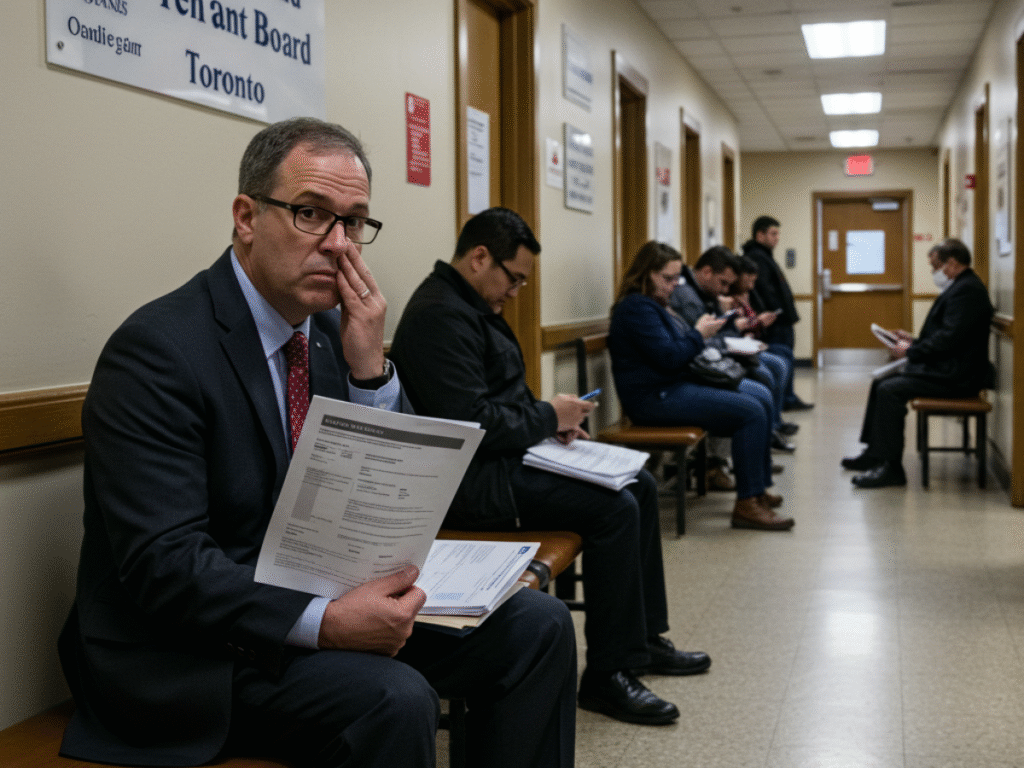
Bill 14 Means More Delays At The Co-op Boards And The LLTB Bill 14 has been re-introduced in Ontario, bringing significant changes to how Co-op Boards and the LLTB manage disputes among residents. The legislation is designed to reduce the necessity for lengthy trial proceedings, which can consume both time and financial resources. Streamlined Dispute Resolution The re-introduction of Bill 14 presents a solution that simplifies the eviction process for Co-op Boards and the LLTB. Traditionally, the process of removing occupants has been an arduous task, comparable to situations involving mortgage defaults where proving ownership and proceeding with eviction can take a considerable amount of time. The advantages that Co-op Boards and the LLTB experience from these changes are significant and worth noting. Expected Reductions in Costs and Delays The changes brought by Bill 14 could significantly cut costs and delays typically associated with LLTB proceedings, which is beneficial in an era where financial prudence is paramount. Traditionally, the involvement of lawyers has been a major financial burden for landlords and Co-op Boards and the LLTB alike. Current Challenges at the LLTB Despite ongoing efforts to enhance efficiency at the LLTB, the existing processes can often feel sluggish and frustrating for all parties involved. Ideally, tenant removal should take a matter of days rather than months, yet current systems frequently prolong this timeline, leading to increased tension and uncertainty. Understanding the role of Co-op Boards and the LLTB in this process is vital for all stakeholders. The Impact on Landlords One of the persistent challenges faced by landlords is the time they must endure before regaining possession of their properties. In cases where a tenant fails to pay rent, the prolonged eviction process can lead to significant financial losses that may jeopardise a landlord’s investment. New Provisions for Tenants One notable addition to Bill 14 is that it permits qualifying tenants to make free applications to the LLTB. While this provision may empower tenants by giving them easier access to legal recourse, it might also contribute to an increase in the number of cases filed, potentially overwhelming the LLTB further. Conclusion In conclusion, Bill 14 holds the promise of a more efficient and cost-effective dispute resolution process for Co-op Boards and the LLTB in Ontario. While it may streamline certain proceedings, its impact on the LLTB and landlords could lead to longer delays and increased case volumes. Ultimately, the role of Co-op Boards and the LLTB will be pivotal in navigating these changes effectively. Stay informed on Bill 14’s impact on Co-op Boards and LLTB processes. Contact Property Management Partners today for expert advice on navigating these legal changes efficiently!
7 Ways to Prepare Your Rental Property for Summer

As summer approaches, it’s important to take time to freshen up your rental property. Warmer weather brings increased tenant movement, making it prime time for property owners to show rentals at their best. Whether you have new tenants moving in or long-term tenants remaining, summer is the perfect time for regular maintenance and check-ups. Here are seven ways to ensure your rental property is summer-ready. 1. Make a Maintenance Plan Effective property management begins with a comprehensive plan. A solid maintenance plan includes both the interior and exterior of your property with a clear timeline and budget. Planning helps extend the life of your investment and ensures everything remains in good working order throughout the year. A well-maintained property attracts more potential tenants and keeps existing ones happy. 2. Decide Between DIY and Professional Help Handling all aspects of property maintenance can be overwhelming, especially if you own multiple properties or live far away. If this is the case, hiring a property management company can be a valuable investment. They can manage day-to-day maintenance tasks efficiently, saving you time and energy. On the other hand, if you decide to manage your property yourself, be prepared for a hands-on approach. 3. Ensure Cooling Systems Are Efficient A functional air conditioning system is crucial for tenant comfort during the summer. Regularly checking and maintaining HVAC systems can prevent issues such as inefficient cooling or high energy bills. Replacing filters, cleaning ducts, and performing minor repairs can keep the system running optimally and enhance tenant satisfaction. 4. Inspect Safety Devices Safety should never be compromised. Test smoke and carbon monoxide detectors, replacing batteries or units as needed to ensure tenant safety and avoid legal issues. Regular checks can prevent potential hazards and demonstrate your commitment to providing a safe living environment. 5. Perform General Repairs Routine inspections can catch issues before they become major problems. Look for leaks, broken fixtures, or any signs of wear and tear. Quick fixes can prevent larger issues down the road, while larger renovations need thorough planning, including hiring contractors and possibly using storage solutions for furniture and personal items during the upgrade. 6. Clean Dryer Vents While not a glamorous task, cleaning dryer vents is essential for safety and efficiency. Clogged vents can lead to longer drying times and even pose a fire hazard. Regularly cleaning these vents helps prevent potential accidents and keeps your appliances running smoothly. 7. Clean and Declutter A clean and clutter-free environment is more appealing to potential tenants. Discard broken items and consider donating or selling those in good condition that you no longer need. For heavy or bulky items, hiring professional movers can prevent damage and injury. 8. Inspect Doors and Windows Check for drafts or damage that may compromise comfort or security. Ensuring proper insulation not only keeps the home cool but also prevents pests from entering. Repairing or replacing worn-out seals and frames can drastically improve energy efficiency and tenant satisfaction. 9. Maintain the Yard First impressions matter, so ensure the outdoor space is well-maintained. Regularly mow the lawn, trim hedges, and clear pathways. If you have outdoor amenities, like a pool or patio, ensure they’re clean and in good repair for tenant enjoyment. Final Thoughts Managing a rental property can be demanding, requiring attention to detail and consistent care. If it feels overwhelming, consider seeking professional assistance to keep things running smoothly. Ultimately, a well-maintained property attracts high-quality tenants and maximizes your investment return. Get your rental property summer-ready! From cooling systems to curb appeal, follow these simple tips to keep tenants happy and attract new ones. Contact us today to explore our property management services and ensure your property shines this summer! FAQs How can I keep my rental property cool during summer? Ensure regular maintenance of HVAC systems, check airflow throughout the property, and keep dryer vents clean. What are common tenant complaints in summer? Increased pests and bugs are typical complaints, so proactive pest control is advisable. What is critical for summer property maintenance? Ensure plumbing is in top condition, as water usage typically increases with the heat. By following these guidelines, you can confidently prepare your rental property for the summer, providing a safe and comfortable environment for your tenants.
Ready to Rent Your Property? We Want Your Listing

Maximize Your Property’s Potential: Tips for Renting Out Your Home During Challenging Times to Rent Your Property If you have rental properties or even a single house you’d like to lease, now is an excellent time to list them. With inventory currently low, it’s a golden opportunity to put your property on the market for potential tenants. In recent times, the demand for housing has surged, particularly in urban areas where many are seeking rental accommodations. This trend presents a strategic opportunity to maximise your rental income by ensuring your property stands out in a crowded marketplace. Partner with a Property Manager If you’re hesitant to show your home due to concerns about close contact, consider hiring a property manager. Experienced property managers are skilled at following safety protocols and managing interactions with potential tenants. They can facilitate virtual showings, allowing prospective tenants to explore your property from the safety of their homes. This not only broadens your tenant pool but also showcases your commitment to safety and convenience. By following these expert tips, you can effectively rent your property and maximise your investment returns. When considering how to rent your property, having a clear understanding of your target market is crucial. This will help you attract the right tenants who will treat your property with respect. Researching local demographics, such as age, family size, and income levels, can provide valuable insights that inform your advertising strategies and rental terms. Tailoring your marketing approach to resonate with your ideal tenant can significantly enhance your chances of a successful letting. Leverage the Power of Pictures and Videos High-quality photos and videos are critical when renting out a home. Prospective tenants are increasingly reliant on online listings to make decisions, and statistics show that listings with professional photography attract 61% more views. Consider hiring a professional photographer or videographer to create stunning visuals that highlight your property’s best features. Additionally, including a virtual tour can further engage potential tenants and provide them with a comprehensive view of the space. Understand the Demand for Rental Properties Despite the uncertainties brought about by the pandemic, the demand for rental properties persists. Essential workers and many others continue to require housing, often needing to relocate due to changes in their living circumstances such as job opportunities or family needs. This demand ensures that rental properties remain a viable investment option. Keeping abreast of local market trends can help you adjust your strategies accordingly, ensuring that your property remains competitive. Act Now to Lease Your Property Our inventory of available homes for rent is currently low, making your listing all the more valuable. We can assist in finding the right tenant for your property by handling the showings and other essential tasks. Moreover, we employ targeted marketing strategies that highlight the unique aspects of your home, ensuring it reaches the right audience. This proactive approach can significantly reduce vacancy periods and maximise your rental income. In summary, the faster you act, the better your chances of securing a tenant who appreciates the value of your property. Don’t hesitate to rent your property as soon as possible. Remember, the rental market is dynamic, and staying ahead of trends will keep your property at the forefront of potential tenants’ minds. Regularly reviewing your rental strategy can provide insights into how to further enhance your offerings. Why Choose Professional Management? Safety and Compliance: Property managers ensure your property meets all legal safety standards, including fire regulations and health codes, which can be complex and vary by location. Their expertise in navigating these regulations can prevent costly fines and ensure that your tenants feel safe and secure in their living environment. Tenant Screening: They conduct thorough background checks to find reliable tenants. This process includes checking credit history, rental history, and criminal background, significantly reducing the risk of problematic tenants. Additionally, a rigorous screening process can lead to better tenant retention rates, saving you time and money amidst frequent tenant turnover. Marketing Expertise: Utilizing various channels, property managers reach a broad audience. They know where to advertise your property for maximum visibility, whether through online platforms, social media, or traditional methods like local newspapers. A well-crafted marketing strategy, inclusive of key selling points and attractive visuals, can set your property apart and draw in numerous inquiries. Maintenance and Repairs: Professional management means prompt attention to maintenance, preserving your property’s value. They often have a network of trusted contractors and tradespeople, ensuring repairs are handled quickly and efficiently. Regular property inspections can also preemptively identify issues, saving you from costly repairs down the line and maintaining tenant satisfaction. Rent Collection and Financial Management: They handle rent collection and provide detailed financial reports, giving you peace of mind. This includes dealing with late payments and understanding the nuances of rental income taxation. With an experienced property manager, you can ensure a consistent cash flow that allows for better financial planning and investment in further property enhancements. Conclusion If you have a property ready for rent, don’t let current challenges deter you. With the expertise of a property management company, you’re equipped to navigate these times efficiently. Additionally, it’s essential to foster a good relationship with your tenants. Open lines of communication and prompt responses to their inquiries can create a positive living experience and encourage lease renewals. Building a sense of community within your rental property can lead to long-term tenancy and reduced turnover rates. With the right property management approach, you will find that it is easier than ever to rent your property successfully and sustain its value over time. By staying proactive and responsive, you can navigate the challenges of the rental market with confidence and achieve your financial goals. Additionally, consider offering flexible lease terms or incentives, such as reduced deposits or included utilities, to attract a wider pool of prospective tenants. Furthermore, consider offering flexible lease terms or incentives, such as reduced deposits or included utilities, to attract a wider pool of prospective tenants. These strategies can
22 Things Landlords Must Know

Essential Tips for Successful Landlord Management Being a landlord comes with its own set of challenges and responsibilities. To help you navigate these responsibilities effectively and maximize your investment, consider these essential tips: Understanding the intricacies of being a landlord is vital for anyone entering the property market. The responsibilities stretch beyond just collecting rent; they encompass legal obligations, property maintenance, and tenant relations. New landlords may find the landscape daunting, but with a solid understanding and the right strategies, it can become manageable and rewarding. Knowledge of the rental market, local regulations, and best practices in property management can empower landlords to make informed decisions. Non-Payment Notices: Always issue notices for non-payment of rent promptly. It’s important to adhere to this protocol regardless of tenant assurances. Non-payment of rent can lead to significant financial strain. Ensure that you have a clear process for issuing notices, which should include a specific timeline for when the notice is served and when action may be taken if rent is not received. Understanding the eviction process in your area is crucial, as this can vary widely. Consider offering flexible payment plans or temporary solutions for tenants facing genuine financial difficulties, as this can build goodwill and encourage timely payments in the future. Move-In Inspections: Conduct thorough move-in inspections, complete with reports and photographs, to document the initial condition of the property. Move-in inspections serve as a protective measure for both landlord and tenant. Documenting the property’s condition with photographs and written reports can prevent disputes when tenants move out. Discuss any pre-existing damages with the tenant to clear any misunderstandings. Additionally, consider providing a checklist for tenants to sign off on, ensuring they acknowledge the property’s state upon moving in. Regular Property Inspections: Schedule periodic inspections to ensure your property is well-maintained and to address any issues early. Regular property inspections not only help maintain the property’s condition but also foster a positive relationship with tenants. Schedule these inspections at reasonable intervals and communicate openly with tenants regarding the purpose. This will help them prepare and alleviate any concerns they may have about privacy or disturbances. Furnace Maintenance: Regularly change furnace filters, as tenants may overlook this essential maintenance task. Furnace maintenance is an often-overlooked aspect of property management. Educate tenants about the importance of changing the furnace filters regularly, and consider providing a guide or schedule. You might also want to conduct seasonal checks to ensure heating systems are functioning efficiently before winter sets in, preventing emergency repair situations. Annual Rent Increases: Implement annual rent increases where applicable to reflect market conditions and maintain income. Annual rent increases should reflect the local rental market trends and cost of living adjustments. It’s essential to communicate the rationale behind any increase to tenants to maintain transparency and trust. Providing a written notice well in advance of the renewal date can also demonstrate professionalism and respect for tenants’ financial planning. Energy Efficiency Improvements: Upgrade lighting in common areas and consider low-flow toilets to reduce energy costs and receive possible rebates. Investing in energy efficiency improvements not only reduces operational costs but can also enhance tenant satisfaction. When upgrading features, consider tenant preferences and seek their input to make informed decisions. Providing information about potential rebates for energy-efficient upgrades can also be a valuable incentive for tenants to accept these changes. Tenant Screening: Use proper screening methods to avoid problematic tenants by examining credit scores, employment verification, and past rental history. Proper tenant screening is critical to long-term landlord success. Develop a comprehensive screening process that includes background checks and interviews. Consider integrating technology to streamline this process, such as online applications that facilitate quicker responses and enhance applicant tracking. Communication with Tenants: Encourage open communication with tenants. Happy tenants usually mean fewer conflicts and issues. Effective communication is the backbone of a successful landlord-tenant relationship. Establish preferred communication channels, whether through email, phone, or messaging apps, and encourage feedback. Regularly scheduled check-ins can also demonstrate your commitment to tenant welfare and foster a sense of community. Proper Documentation: Require written maintenance requests from tenants to ensure that all communications are documented. Documenting maintenance requests is essential for accountability. Develop a formal request system for tenants to use, which not only tracks issues but also documents how and when they were resolved. This can be invaluable evidence in the case of disputes regarding property maintenance responsibilities. Financial Management: Allocate a portion of your rental income, typically around 10%, for property management to alleviate stress and manage finances effectively. Financial management should encompass not only property management costs but also future investments. Creating a detailed budget that allocates funds for emergency repairs, upgrades, and market analysis can help landlords remain ahead of potential costs and maximise income from their properties. Understand Legal Obligations: Familiarize yourself with your local Residential Tenancy Act (RTA) to understand your rights and obligations, such as handling deposits and tenant notices. Understanding your legal obligations extends beyond the RTA. Regularly update your knowledge on local laws and regulations, as they can change frequently. Attending workshops or joining local landlord associations can keep you informed and provide support networks for when challenges arise. Prepare for Emergencies: Be ready for late-night emergencies by having a plan and essential contacts, such as plumbers or electricians, on hand. Having a plan for emergencies is vital. Create a contact list of reliable service providers and establish a protocol for tenants to follow during emergencies. Regularly review and update this list to ensure it remains current and effective. Providing tenants with an emergency contact card can also be beneficial. Utility Management: Ensure utilities are in the tenant’s name. This prevents complications if tenants default on payments. It’s illegal for landlords to disconnect utilities to pressure tenants. Utility management should be clearly communicated in the lease agreement. Consider including guidelines on what happens if utilities are not maintained, as well as the responsibilities of both parties. This ensures clarity and reduces potential conflicts regarding utility payments. Maintenance Readiness: Keep
