
How Many Rentals Before Hiring a Property Manager?

Title: Expanding Your Rental Property Portfolio: When to Hire a Property Manager
Meta Description:
Grow your rental property portfolio stress-free. Learn the right time to hire a property manager, boost cash flow, reduce vacancies, and invest in distant markets.
SEO Keywords:
rental property portfolio, property management, hire a property manager, reduce vacancies, improve cash flow, remote real estate investing, landlord seminars
Summary:
Owning and managing rental properties can be rewarding but time-consuming. From your very first property, a professional property manager can handle tenant relations, maintenance, rent collection, and legal compliance—freeing you to focus on strategic growth. As your portfolio grows, they leverage industry connections to developers, contractors, and financial advisors to enhance property values and pursue new investment opportunities.
Many property management firms offer educational seminars that cover management styles, property types, and market strategies. These sessions help landlords make informed decisions, optimize cash flow, and reduce vacancy periods through targeted marketing and lease-renewal tactics. With expert oversight, you can confidently invest in geographically distant properties, diversify your holdings, and maintain tenant satisfaction no matter where your assets are located.
Ready to unlock your investment’s full potential? Start with a property management assessment to identify gaps in your current strategy and determine how a dedicated property manager can elevate your portfolio’s performance. Visit PMPservice.ca/property-management-assessment to learn more.
How Frequently Does A Landlord Have To Visit Their Rental Property?

Meta Title: How Often Should Landlords Visit Their Rental Properties? | Key Takeaways
Meta Description: Learn why quarterly rental property visits boost tenant satisfaction, protect your investment, and when it’s time to hire a property manager to maximize profitability.
SEO-Friendly Summary
1. Recommended Visit Frequency
• Aim for at least one on-site inspection every quarter
• Early detection of maintenance issues preserves property value
• Regular check-ins reinforce lease compliance and tenant satisfaction
2. Long-Distance Management Challenges
• Urgent repairs can disrupt your schedule and travel plans
• Being on-call 24/7 leads to burnout and inefficiency
• Minor issues (e.g., lightbulb changes) become major time sinks
3. When to Hire a Property Manager
• Distance exceeds your practical travel limit (“lightbulb rule”)
• You value shifting from reactive tasks to strategic investment focus
• Desire better work–life balance without sacrificing ROI
4. Financial Benefits of Professional Management
• Typical fee: 9–10% of monthly rent
• Lower vacancy rates and faster tenant placement
• Improved tenant retention and optimized cash flow
• Potential overall savings outweigh management costs
5. Strategic Advantages
• Delegate day-to-day operations and emergency calls
• Free up time for additional investments or personal pursuits
• Enhance the long-term profitability and scalability of your portfolio
Call to Action
Reclaim your time, boost tenant retention, and maximize rental income by partnering with an experienced property management service. Get started today: https://PMPservice.ca/property-management-assessment/
Rental Property Maintenance: 10 Tips to Keep Your Investment Strong

SEO Title: Maximizing Rental Property Value: Top 10 Maintenance Tips for Landlords
Meta Description: Protect your investment and keep tenants happy with these 10 essential rental property maintenance tips—from routine inspections and HVAC care to curb-appeal landscaping and prompt repairs.
Summary:
Keeping your rental property in peak condition is key to preserving its value, reducing costly repairs, and attracting quality tenants. Implement these 10 landlord maintenance strategies:
1. Routine Inspections: Catch small issues early by scheduling interior and exterior walkthroughs.
2. HVAC Care: Change filters, clean ducts, and book annual tune-ups to boost efficiency and tenant comfort.
3. Plumbing Checks: Fix dripping faucets, running toilets, and hidden leaks before they escalate.
4. Roof Maintenance: Inspect shingles, clear gutters, and repair weather damage to prevent leaks and mold.
5. Landscaping & Drainage: Mow, trim, and grade soil away from foundations to enhance curb appeal and prevent water damage.
6. Safety Devices: Test smoke and carbon monoxide detectors regularly and replace batteries.
7. Paint & Flooring Upkeep: Refresh scuffed walls, peeling paint, and worn carpets or hardwood to maintain a modern look.
8. Appliance Servicing: Clean vents, inspect seals, and address wear to extend the life of stoves, refrigerators, and washers.
9. Security Enhancements: Ensure locks, doors, and windows work properly; consider deadbolts or cameras where needed.
10. Fast Tenant Response: Encourage prompt issue reporting and resolve maintenance requests quickly to foster trust and prevent larger repairs.
By proactively maintaining your rental—HVAC systems, roof, plumbing, landscaping, safety equipment, and more—you’ll safeguard your ROI, reduce turnover, and build lasting tenant satisfaction.
Tenant Screening Guide: Tips for Property Managers

SEO-Friendly Summary: The Ultimate Guide to Tenant Screening for Property Managers
Improve tenant quality, reduce vacancies, and protect your investment with a structured tenant screening process. This guide outlines key steps property managers should follow to attract reliable renters and secure consistent rental income.
Key Steps for Effective Tenant Screening
• Pre-Screen in Your Listing: Clearly state pet policies, smoking rules, and the requirement for credit and background checks in your rental ad.
• Standardized Pre-Screening Questions: Ask all prospects about move-in dates, income, references, pets, household size, and willingness to undergo checks.
• Digital Rental Applications: Use online forms to ensure accuracy, streamline data collection, and maintain organized records.
• Reference Verification: Contact previous landlords and employers to confirm payment history, rental conduct, and job stability.
• Automated Screening Tools: Employ property management software that integrates credit reports, income verification, and background checks for fast, unbiased decisions.
Why It Matters
• Reduces risk of late payments, property damage, and lease breaches
• Attracts high-quality tenants who respect lease terms
• Saves time and minimizes human error with automated workflows
Partner with Property Management Partners
Our advanced screening algorithms evaluate credit scores, debt levels, and income to identify top-tier applicants. Learn how we can enhance your tenant screening and boost rental profitability at [Your Website].
Implement these strategies today to streamline your tenant screening process, minimize vacancies, and maximize returns.
Squatters in Ontario: How to Remove Them Legally
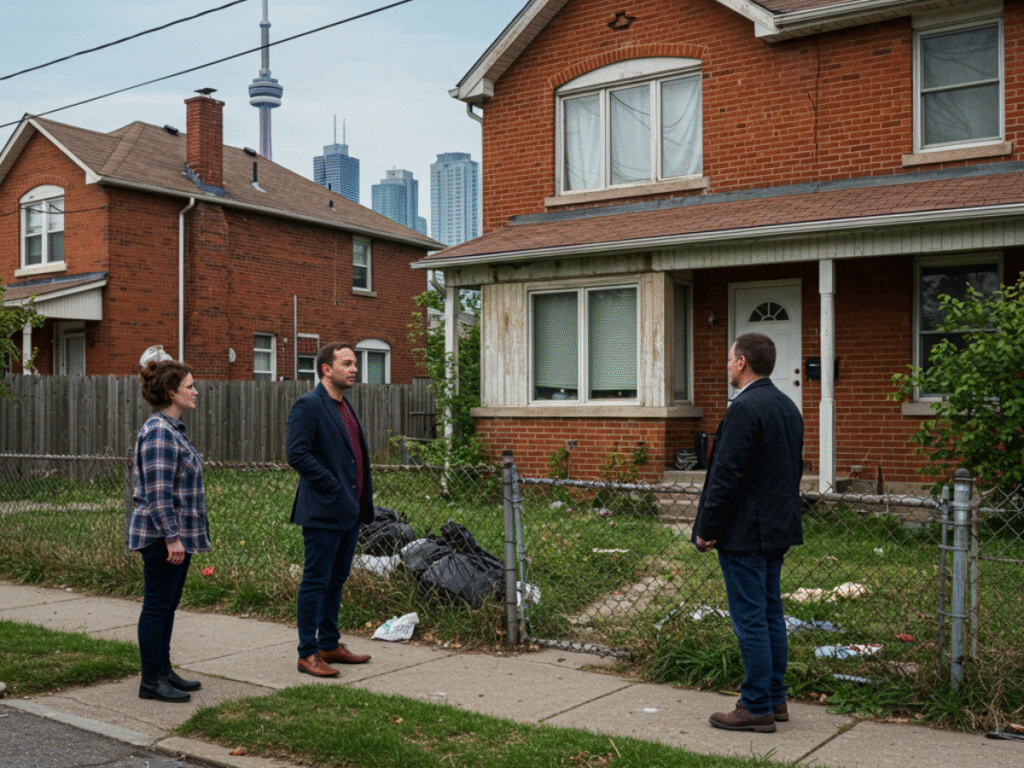
Can a squatter take your property in Ontario? Usually not. Here is who to call, what the police will do, and the legal steps to get your property back.
How Toronto Landlords Can Find Great Tenants

Meta Title: How to Find the Best Tenant in Toronto – Top Screening Tips
Meta Description: Discover essential strategies for screening tenants in Toronto. Learn how to verify income, conduct credit and criminal background checks, set rent deposits legally, and streamline your tenant search with expert property management.
Summary:
Finding the best tenant for your Toronto rental property means protecting your investment and ensuring steady rental income. Start by defining clear tenant requirements—rent amount, lease term and maintenance expectations—then set competitive rates based on local market research. Screen applicants rigorously: pull credit reports, verify income with pay stubs or bank statements (rent should be ≤30% of income), check rental history through landlord references, and run criminal background checks in compliance with privacy laws. Require a last-month’s rent deposit to gauge financial readiness (damage deposits are prohibited). Assess lifestyle factors—smoking habits, emergency responses—during the interview to spot potential issues. To save time and reduce stress, consider partnering with a Toronto property management service specializing in tenant screening and full-service management. By following these steps, you’ll secure reliable tenants, maintain your property’s condition and enjoy a hassle-free rental experience.
Key Takeaways:
• Define tenant criteria and set market-competitive rent
• Conduct credit, income and criminal background checks
• Verify rental history with landlord or employer references
• Require last month’s rent deposit (no damage deposit allowed)
• Evaluate lifestyle factors during the tenant interview
• Consider a Toronto property management service for turnkey screening and management
Should I Accept Rent In Cash?

Title: Should First-Time Landlords Accept Cash for Rent? Key Drawbacks and Online Alternatives
Meta Description: Discover why first-time landlords should think twice before accepting cash rent—and how online rent collection can boost security, cut costs, save time, and improve tenant satisfaction.
Summary:
First-time landlords may be tempted by cash rent for its immediacy and convenience, but cash carries significant risks. You can’t cancel a lost or stolen payment, and handling bills increases theft exposure. Tenants insisting on cash might also raise red flags about potential illegal activity.
By contrast, online rent collection offers a modern, secure, and efficient solution:
• Enhanced Security – Digital payments eliminate lost, stolen or fraudulent funds.
• Cost Savings – Avoid check-processing fees, NSF charges and administrative labor.
• Time Efficiency – Automated reminders, one-click payment tracking and instant reconciliation free you from bank runs and manual record-keeping.
• Improved Tenant Experience – Most renters prefer online transactions; offering them can boost satisfaction and retention.
• Reliable Records – Electronic receipts and consolidated dashboards give you a clear, real-time view of payments and tenant communications.
Conclusion
For first-time landlords aiming to protect their income and streamline property management, transitioning from cash to online rent collection is a no-brainer. Increased security, lower costs, and happier tenants are just a few clicks away. To learn more about optimizing your rent collection process, visit our property management services page.
Rental Property Upgrades That Pay Off

Meta Description
Maximize your rental income and curb vacancies with these top cost-effective rental property upgrades. Expert insights from a Mississauga property manager on painting, lighting, flooring, kitchen and bathroom refreshes, curb appeal, and more.
SEO-Friendly Summary
Investing strategically in rental property upgrades can boost tenant appeal, command higher rents, and improve overall ROI. According to a seasoned Mississauga property manager, focus on:
• Fresh Coat of Paint – Use neutral, light hues (grey, tan, cream) with satin or semi-gloss finishes for a clean, modern look.
• Budget-Friendly Bathroom Remodel – Replace dated faucets, cabinets, mirrors, and hardware instead of full gut jobs.
• Upgrade Lighting – Install pot lights, track or accent fixtures and dimmers to create a welcoming, energy-efficient space.
• Flooring Improvements – Opt for durable hardwood, bamboo, or high-quality laminate; reserve carpet for bedrooms only.
• Kitchen Updates – Deep-clean, paint cabinets, swap fronts, repair tiles, and add a dishwasher if feasible; stick to classic, neutral designs.
• Enhance Curb Appeal – Maintain landscaping, add flowering shrubs, repaint doors, and keep entryways inviting.
• Add a Bedroom – Convert dens or attics into extra bedrooms with closets to increase rental income.
• Get Expert Help – Partner with a professional property manager for tailored advice, vacancy reduction, and profit maximization.
By targeting these high-impact renovations, you’ll attract quality tenants, minimize downtime, and elevate your property’s market value.
10 Reasons To Hire a Professional Property Manager

SEO-Friendly Summary
Maximizing your rental property’s profitability and minimizing workload is simple with a professional property manager. Here’s how expert property management drives higher returns and smoother operations:
1. Optimized Rental Rates
• In-depth market research sets competitive rents to boost income and reduce vacancies.
2. Reliable Rent Collection
• Proven systems ensure on-time payments and deposits, stabilizing your cash flow.
3. Targeted Marketing & Advertising
• Data-driven campaigns fill vacancies faster by reaching qualified renters across top channels.
4. Thorough Tenant Screening
• Background checks, employment verification, and landlord references secure high-quality, reliable tenants.
5. Comprehensive Tenant Relations
• From maintenance requests to conflict resolution, professional managers handle day-to-day interactions.
6. Vendor & Maintenance Oversight
• Established vendor networks deliver timely, cost-effective repairs and upkeep.
7. Legal Compliance
• Up-to-date expertise in local housing laws protects you from fines and litigation.
8. Expanded Investment Reach
• Delegate management to invest in new markets, diversifying your portfolio without geographic limits.
9. Time & Cost Efficiency
• Free up your schedule to pursue new opportunities while management fees (typically 9–10% of rent) pay for themselves through increased revenue and savings.
Ready to elevate your investment strategy? Get started today: https://PMPservice.ca/property-management-assessment/
Which is better: Furnished or Unfurnished Rentals?

Title: Furnished vs Unfurnished Rentals – Pros, Cons & How to Maximize Rental Income
Summary:
Deciding whether to offer your rental property furnished or unfurnished is a critical investment choice that impacts rent potential, tenant turnover, and long-term cash flow. Furnished rentals can yield 25–50% higher rents (often $400+/month), attract short-term tenants like traveling professionals or students, and rent out faster—though they may require more upkeep and turnover. Furnishing also offers tax deductions and furniture reusability across multiple units. Conversely, unfurnished rentals tend to attract longer-term tenants who personalize their space, resulting in stability, lower management costs, and reduced liability for wear and tear. With no furniture to maintain, landlords save on upfront and ongoing expenses.
Which is best depends on your market: city-center apartments often perform better furnished for mobile renters, while suburban houses appeal to families who own their furniture. Conduct thorough market research on tenant demographics, local demand, and vacancy rates to strike the right balance. For tailored advice on optimizing rent, minimizing vacancies, and boosting ROI, consult property management experts today.
