
What You Dont Know About Delinquency Rates

Understanding Delinquency Rates: What Homeowners and Renters Need to Know Delinquency rates play a crucial role in determining financial risk, particularly in real estate and lending markets. These rates represent the percentage of loans that are past due and can significantly impact credit scores, such as the commonly used FICO score. But what do these numbers truly mean, and how can they be effectively utilized? The Connection Between Credit Scores and Delinquency Rates A delinquency occurs when a payment fails to be made on time. The delinquency rate, therefore, provides a snapshot of the risk associated with loan repayments. Credit scores offer a quantifiable measure of a person’s creditworthiness and potential risk level. For instance, a credit score of 750 is considerably better than a score of 650, indicating a lower risk of late payments or defaults. Using Delinquency Rates and Credit Scores Effectively Property managers and investors often rely on these numbers to evaluate potential tenants. A higher delinquency rate can translate into a higher risk for landlords, as the chance of missed or late payments increases. A higher credit score, conversely, generally implies less risk, making an applicant more attractive. For example, applicants with a credit score ranging from 650 to 699 have a 12% delinquency rate, while those with scores between 700 and 749 have only a 5% delinquency rate. Though these statistics don’t guarantee payment behavior, they provide essential insight for assessing applicant risk levels. The Big Picture: Credit Scores Across the Population To put these numbers into perspective, consider that: – 86% of the population has a credit score of 650 or better. – 75% have a score of 700 or better. – 56% have a score of 750 or better. Though these statistics represent the general population, they provide valuable insights for landlords in understanding the potential credit landscape of tenants. Why People Rent and How It Relates to Credit Scores People choose to rent for various reasons, including financial flexibility or a lack of desire to commit to homeownership. Generally, individuals planning to reside long-term in an area and who have the financial means may opt to purchase a home. Hence, rental applicants with extremely high credit scores, like over 800, might be rarer, depending on the property’s market segment and the targeted demographic. Practical Application: Utilizing Delinquency Rates and Credit Scores Understanding and applying these credit metrics help property owners manage risk effectively. Here are some practical tips: 1. Know Your Audience: Your rental property may not attract high-income individuals, such as CEOs. Tailor your screening criteria to suit your target demographic. 2. Flexibility in Assessing Credit Scores: While higher scores generally indicate better applicants, setting rigid cutoffs (like excluding anyone under a score of 700) may not always be the best strategy. Consider your specific property’s nature and the market you’re targeting. 3. Risk Management: Use credit scores and delinquency rates to make informed decisions that align with your risk tolerance and financial goals. In conclusion, delinquency rates and credit scores provide valuable tools for anyone involved in real estate, whether you’re a landlord assessing potential tenants or an investor evaluating property risk. By understanding and leveraging these figures, property owners can enhance decision-making, minimize risk, and effectively navigate the rental market. Contact Property Management Partners today to learn how understanding delinquency rates and credit scores can help you manage risk and maximize returns on your rental properties!
Financial Benefits of Professional Property Management Services

Unlocking the Financial Benefits of Property Management Owning rental properties can generate steady income and long-term value, but successful management requires time, expertise, and consistent effort. That’s where professional property management services come into play. These services offer strategic support to help property owners maximize their rental income, reduce operational headaches, and protect their investments. Whether you own a single unit or manage a growing portfolio, working with experienced property managers ensures your assets are well-maintained, tenants are satisfied, and your financial returns are optimized. From efficient rent collection to legal compliance and maintenance coordination, property management services offer clear economic value. By partnering with a reliable firm like Property Management Partners, landlords can turn passive income into a consistently profitable venture. Reduced Vacancies and Maximized Rental Income A major financial benefit of using professional property management services is lower vacancy rates. Experienced property managers employ targeted advertising, professional listings, and tenant screening to fill units quickly with high-quality renters. They also set competitive rental prices based on detailed market analysis. When a property is priced correctly, it attracts long-term tenants while maximizing revenue potential. Managers also ensure lease terms are clear and enforceable, which helps reduce the risk of early terminations or payment disputes. By minimizing downtime between tenants and optimizing rent rates, property managers help landlords maintain a consistent cash flow and avoid revenue losses. Reliable Rent Collection and Steady Cash Flow Timely rent collection is critical to ensuring a property’s financial success. Professional property management services handle all aspects of rent collection, from setting clear payment schedules to following up on late payments and initiating legal action if necessary. They implement automated systems that make it easier for tenants to pay on time, reducing the risk of missed or delayed payments. Property managers also enforce lease terms fairly and consistently, which strengthens tenant accountability and reduces disputes. The result is a reliable, predictable income stream for landlords that supports financial planning and investment growth. With professional oversight, rent collection becomes a streamlined, stress-free process. Increased Tenant Retention and Cost Savings High tenant turnover can lead to lost rent, cleaning costs, and advertising expenses. Professional property management services prioritize tenant satisfaction through responsive maintenance, fair policies, and clear communication. Happy tenants are more likely to renew leases, stay longer, and take better care of the property. When tenants feel valued and supported, landlords benefit from reduced turnover-related costs and more consistent income. By fostering strong tenant relationships, property managers also reduce vacancy gaps, saving property owners time and money. Over time, this leads to increased profitability and lower overall operating costs for rental property investors. Lower Maintenance Costs and Quality Repairs Routine maintenance and timely repairs are essential to protecting a property’s value. Property management companies typically have access to a network of licensed, insured vendors and contractors who offer quality work at discounted rates. This means repairs are handled quickly and cost-effectively. In addition, regular property inspections help identify issues before they escalate into expensive problems. Preventative maintenance reduces emergency repair costs and extends the life of key systems like HVAC, plumbing, and roofing. By staying ahead of maintenance needs and leveraging vendor relationships, professional property management services help landlords maintain property value while controlling repair expenses. Legal Compliance and Risk Reduction Navigating the legal landscape of rental properties can be complex and time-consuming. Property management firms stay updated on local housing regulations, tenant rights, building codes, and eviction laws to keep landlords compliant. They ensure leases are legally binding, address fair housing rules, and meet all municipal and provincial regulations. This helps reduce the risk of fines, lawsuits, and costly legal mistakes. Managers also handle eviction proceedings when necessary, ensuring that the process follows the law and protects the owner’s interests. Staying legally compliant is crucial to minimizing financial and reputational risks. Learn more about landlord-tenant law to understand the broader context of property regulations. Time Efficiency and Investment Scalability Managing rental properties requires round-the-clock attention—from emergency maintenance to tenant concerns. For many landlords, especially those with multiple units, this workload becomes overwhelming. By outsourcing operations to professional property managers, property owners can focus on scaling their investment portfolios or pursuing other ventures. Time saved on administrative tasks and maintenance coordination translates into increased productivity and reduced stress. With expert support, landlords gain more freedom to focus on high-level decisions, such as acquiring new properties, improving cash flow strategies, or optimizing financial performance. This is especially valuable for investors looking to grow their assets without sacrificing time or efficiency. Property Management Partners offers customized solutions to help landlords scale with confidence. Conclusion Professional property management services deliver real financial benefits for rental property owners. From minimizing vacancies and ensuring on-time rent collection to reducing maintenance costs and staying legally compliant, these services provide an excellent return on investment. With expert oversight, landlords can boost profitability, reduce risk, and enjoy peace of mind. Whether you’re managing one rental or expanding your portfolio, partnering with a professional property manager is a smart move to enhance long-term success in the rental market. Maximize your rental income with expert property management. Contact us today to optimize your investment!
Residential Tenancy Act on Property Management

Understanding the Impact of the Residential Tenancy Act on Property Management The Residential Tenancy Act (RTA) has been a cornerstone of tenant-landlord relations in Ontario, yet recent interpretations have significantly affected property managers and independent landlords. Historically, property managers could represent clients in hearings without legal representation, particularly for straightforward issues like non-payment of rent. However, the Law Society of Upper Canada ruling now mandates that legal representation is necessary for all Landlord and Tenant Board applications. The Residential Tenancy Act, established to regulate the relationship between tenants and landlords, encompasses various aspects including lease agreements, tenant rights, and landlord obligations. Understanding these intricacies is vital for effective Property Management. For instance, landlords must ensure that any rental agreements comply with the RTA regulations to avoid potential disputes. In addition, educating tenants about their rights under the RTA can foster better relationships and reduce conflicts. Key Changes and Implications Legal Representation Requirement The critical change enforced by this ruling is that paid property managers are no longer permitted to act as representatives for their clients in tenancy hearings. This shift is rooted in ensuring professionalism and legal compliance in tenant-landlord interactions. While this may not heavily impact large corporations already utilizing legal services, smaller property management firms and independent landlords are likely to face increased operational costs. The prohibition of property managers acting as representatives also raises concerns regarding the accessibility of legal resources for smaller entities. Many small landlords may not have the financial means to hire lawyers for every hearing. Therefore, it becomes increasingly crucial for property management firms to invest in legal training for their staff. This could include workshops on dispute resolution and the legal aspects of tenancy, which would empower them to handle minor issues without the need for legal representation. Impact on Smaller Firms and Independent Landlords For independent landlords and small property management companies, these additional legal requirements could drastically escalate expenses. Many smaller firms relied on avoiding legal fees by handling minor disputes internally or through property managers. With the new mandate, every case now demands a lawyer, significantly increasing financial burdens. To illustrate, an independent landlord facing a tenant dispute may find it challenging to navigate the legal system without prior knowledge or experience. This situation could lead to delays and increased costs, ultimately affecting their bottom line. Therefore, the importance of understanding the RTA cannot be overstated, as knowledge equips landlords to make informed decisions and potentially resolve issues before they escalate into costly legal battles. Furthermore, the RTA stipulates a capped rental increase at 2.5%, which can further strain the financial viability of smaller operations, especially when paired with prolonged eviction processes that can span up to three months. These factors combine to create challenging conditions for maintaining profitability and sustainability. Moreover, during periods of low rental demand, the capped increases may hinder a landlord’s ability to cover rising property taxes or maintenance costs. For small landlords, this not only affects their profitability but can also discourage property investment in the long term. The imbalance created by these regulations could lead to a reduction in available rental units, ultimately impacting tenant options and market dynamics. Broader Legal and Economic Context The intent behind these regulations is to create an equitable and standardized approach to tenancy issues. However, a one-size-fits-all legal framework doesn’t account for the disparities in resources between large corporations and smaller entities. The uniform application of these rules means both a single dwelling landlord and a large enterprise are subject to identical constraints and procedures. The broader implications of these regulatory changes extend to the housing market as a whole. For example, if many small landlords exit the market due to the burdensome nature of the RTA, this could lead to a decrease in available rental properties, consequently driving up rental prices and limiting tenant choices. Additionally, this could encourage larger corporations to dominate the rental market, possibly leading to less competitive pricing for tenants. Many small-scale property owners find the process increasingly cumbersome. While the legislative focus on tenant protection and fair processes is commendable, the practical outcomes could inadvertently disadvantage those operating on thinner margins. Furthermore, the complexities of navigating the legal landscape following these changes have led to calls for a more nuanced approach to the RTA. Policymakers are being urged to balance the need for tenant protection with the sustainability of small property owners. For instance, reforms that allow for greater flexibility in legal representation requirements based on the size of the operation could alleviate some of the burdens faced by small landlords. Call to Action for Landlords In light of these developments, landlords and property managers must adapt by seeking efficient legal representation and improving their understanding of tenant law to mitigate unforeseen costs. Collaboration among independent landlords and property management communities can provide support, share strategies, and advocate for more equitable regulatory changes. Additionally, establishing peer support networks among landlords can be beneficial. These networks could facilitate knowledge sharing and collective problem-solving to address common challenges stemming from the RTA. By coming together, landlords can create a stronger voice to advocate for regulatory changes while also exchanging best practices to optimise their management processes. Advocacy and Participation To address these growing concerns, it is essential for stakeholders to actively participate in dialogues and advocate for legislative reviews. Engaging with petitions or industry groups that lobby for more balanced regulations is a practical step towards influencing future legislative decisions. One such initiative is the petition aimed at revisiting and potentially revising the Residential Tenancy Act, helping ensure fair treatment across all scales of property management. Engagement in advocacy activities not only serves to influence legislation but also promotes a sense of community among landlords. By participating in forums, workshops, and seminars, landlords can stay informed about the latest legal developments and best practices in Property Management. This ongoing education helps equip them with the tools necessary for effective management and compliance with the RTA. Conclusion The recent interpretation of the Residential
How Many Rentals Before Hiring a Property Manager?

Expanding Your Rental Property Portfolio: When to Hire a Property Manager Owning rental properties can be a rewarding venture, offering both a steady income and long-term financial security. However, managing these properties can become increasingly demanding as your portfolio expands. At some point, you might find it beneficial to consider professional property management. But when exactly should a landlord make this transition? Starting with Your First Property It’s common for landlords to contact property management companies as soon as they acquire their first rental property. Managing even a single property requires handling tenant relations, maintenance, rent collection, and legal compliance. Many landlords quickly realize the challenges involved and seek help to streamline these processes. A property manager can alleviate stress by taking over these responsibilities, allowing landlords to focus on strategic growth rather than daily operations. Growing Your Investment Beyond managing your current properties, a property manager can play an instrumental role in growing your investment. Professional managers are connected with partners in real estate development, improvement contractors, and financial advisors who can help enhance your current property value. They can provide insights into adding new properties to your portfolio or even optimizing your existing inventory to increase cash flow and ROI. Learning Through Seminars To educate landlords on the intricacies of property management and maximizing investment potential, many management companies offer seminars. These sessions reveal the benefits of different management styles and property types, equipping landlords with the knowledge to make informed decisions. Attending such seminars can be a game-changer, empowering you to navigate the property market more effectively. Investing in Geographically Distant Properties For landlords managing their own properties, investment opportunities are often restricted to nearby locations to facilitate physical oversight. However, hiring a property manager breaks these geographical barriers. With a professional at the helm, you can explore investment deals in various locations, enhancing your portfolio’s diversity and potential profitability. Property managers handle tenant relations, maintenance, and legalities, regardless of property location. Reducing Vacancies and Improving Cash Flow A significant advantage of hiring a property manager is their expertise in attracting and retaining high-quality tenants. Their marketing strategies reduce vacancy periods and ensure a steady income stream. Furthermore, property managers adeptly handle lease renewals and rent adjustments, optimizing your cash flow and boosting your bottom line. Their presence often leads to better tenant satisfaction, resulting in longer lease agreements and fewer turnovers. Starting Your Property Management Journey If you’re ready to experience the benefits of professional property management, starting with a comprehensive assessment is crucial. Evaluating your needs and current management practices can provide valuable insights into how a property manager can best serve you. By doing so, you can make informed decisions that align with your growth objectives and improve your investment strategy. In conclusion, whether you’re a new landlord with a single property or a seasoned investor with a growing portfolio, considering professional property management can be a strategic move. It not only enhances your investment’s profitability but also grants you the freedom to focus on long-term growth rather than day-to-day management tasks. Embrace the opportunity to expand your horizons and optimize your investments with the help of an expert property manager. For more details on how to enhance your property management strategy, visit PMP Services. Start today and unlock your investment’s full potential!
How Frequently Does A Landlord Have To Visit Their Rental Property?

How Often Should Landlords Visit Their Rental Properties? Managing a rental property can be a rewarding yet challenging endeavor. For landlords, especially those who do not reside near their investment properties, deciding how frequently to visit can be a critical decision. This consideration often influences whether they should hire a property manager instead of managing the property themselves. The Benefits of Visiting Regularly Maintaining a regular visitation schedule is crucial for landlords. Ideally, landlords should visit their properties at least once a quarter. Regular inspections are essential not only to uphold the quality and condition of the property but also to ensure tenant satisfaction and compliance with lease terms. By inspecting the property routinely, landlords can identify potential maintenance issues before they escalate, preserving the value of the investment. Challenges of Long-distance Property Management For landlords who live far from their rental properties, managing maintenance can pose significant challenges. Anytime maintenance issues arise, landlords must address them quickly, leading to constant disruptions to their personal schedules. Being on-call 24/7 can be exhausting and impractical. Travelling long distances for minor issues, like changing a lightbulb, is both time-consuming and inefficient. When to Consider Hiring a Property Manager Many landlords believe in the adage, “Never buy a property farther than you would drive to change a lightbulb.” This highlights the importance of proximity in effective property management. However, some landlords, even those living in the same city as their properties, prefer to hire property managers. This decision often stems from the desire to improve their quality of life by shifting from an on-call maintenance role to a more strategic investment role. Maximizing Profitability with Property Management Hiring a property manager can be a financially sound decision. Property managers typically charge between 9-10% of the property’s monthly rental rate. Despite the cost, this often results in overall savings due to professional management. Property managers can help reduce vacancies, attract and retain high-quality tenants, and improve cash flow, ultimately benefiting the landlord’s bottom line. Moreover, engaging a property manager provides landlords the freedom to focus on other life pursuits or additional investments without being bogged down by daily operational challenges. This strategic delegation can enhance the profitability and sustainability of their investment portfolio. Conclusion For landlords, especially those managing properties from afar, regularly visiting the rental property can safeguard the investment and ensure tenant satisfaction. However, if the challenges of long-distance management become overwhelming, hiring a property manager could be the solution. Professional property managers can alleviate the burden of day-to-day operations, allowing landlords to focus on maximizing their investment’s potential. If you’re looking to reclaim your time, improve tenant retention, and boost your property investment’s profitability, consider partnering with a professional property management service. They can handle the intricacies of property management, letting you enjoy the benefits of your investment with peace of mind. Want to maximize your rental property’s potential? Contact us today to learn how professional property management can save you time, reduce vacancies, and improve profitability.
When Should I Hire A Property Management Company?

The Importance of Investing in a Property Management Company Investing in a property management company is a significant decision for property owners and investors. This choice often depends on individual needs and circumstances, and there is no one-size-fits-all approach. However, a property management company can provide substantial benefits, enhancing your business operations and boosting your profits in the long run. Key Factors to Consider Before Hiring a Property Management Company Understanding when and why to hire a property management company is crucial. Here are some important factors to consider: 1. The Role of Location The proximity of your residence to your properties can heavily influence your decision. If you’re nearby, you can personally manage aspects such as upgrades and tenant issues. For those investing in properties at a distance, a property management company becomes almost essential. They serve as your local presence, ensuring everything runs smoothly, without the need for you to be physically present. 2. Managing the Stress of Ownership Property ownership can be stressful. Being a landlord involves numerous challenges, such as: – Addressing tenant needs – Handling emergency situations – Resolving disputes among tenants or neighbors – Managing disagreements over payment terms – Controlling animal and visitor issues – Monitoring parties and noise levels – Overseeing maintenance and cleanliness Not every property owner is equipped or willing to handle these concerns 24/7. This is where a property management company can step in, significantly reducing stress and managing these issues proactively and efficiently. 3. Current Challenges in Property Management As you scale up and acquire more properties, managing them becomes increasingly challenging. Balancing your time and meeting property demands can become overwhelming. Seeking help early on can prevent costly problems later. Property management companies offer vital support, helping you manage your portfolio with ease. 4. Aligning with Your Short- and Long-Term Goals Your long-term vision plays a vital role in deciding whether to hire a property management company. If your goal is to own a single property, managing it yourself is feasible. However, if you aim to expand your portfolio, the time and attention needed increase substantially. Even managing a second property can be time-consuming. Without help, your growth may stall, as managing existing properties limits your ability to explore new opportunities. A property management company frees up your time, helping you focus on expanding your investments. 5. Your Level of Involvement Consider how hands-on you want to be. Even with a single property, hiring a management company is beneficial if you prefer not to be involved in daily operations. This includes: – Being available 24/7 for emergencies – Making decisions on property improvements – Ensuring cleanliness and maintenance – Handling repairs – Navigating legal obligations between landlord and tenant – Managing financial aspects of property ownership Choosing a property management company allows experts to handle these tasks, ensuring they’re done correctly and cost-effectively. This can significantly enhance your bottom line, offering a great return on your investment. Conclusion Deciding to hire a property management company, even as a first-time investor, can be a strategic move. It offers numerous benefits, from stress reduction and operational efficiency to increased opportunities for growth. By outsourcing management tasks, you focus on what truly matters—expanding your investment and maximizing your returns in the property market. Ready to reduce stress and boost your property investment? Contact Property Management Partners today to explore how a property management company can help you grow your portfolio and increase profitability.
Future of Property Management: Trends for the Next Decade

The future of property management is evolving rapidly due to innovations in technology, shifting tenant expectations, and changing regulations. In the next decade, property managers must embrace digital tools, adopt eco-conscious practices, and prioritize tenant experience to remain competitive. This transformation is not just about adapting—it’s about staying ahead. Whether managing residential or commercial properties, staying updated with trends ensures operational efficiency, tenant satisfaction, and long-term profitability. With help from trusted professionals like Property Management Partners, landlords can navigate these changes with confidence. Artificial Intelligence Will Reshape Daily Operations One of the most influential drivers in the future of property management is Artificial Intelligence (AI). AI is already automating mundane tasks and is expected to expand its role in optimizing decision-making, communication, and maintenance. Why AI Is Crucial for Property Managers Instant Communication: AI-powered chatbots can instantly answer tenant inquiries, book maintenance, and process applications—saving time and boosting tenant satisfaction. Predictive Maintenance: AI systems analyze property data to predict potential maintenance issues before they become costly emergencies. Efficient Workflows: AI tools automate rent collection, financial reporting, and lease tracking, allowing property managers to focus on strategic growth. By leveraging AI, property managers can streamline operations, improve service quality, and lower operational costs. Smart Technology Is Becoming the Standard Smart technology is quickly becoming a tenant expectation rather than a luxury. As more people seek convenience, security, and sustainability, smart property features are key selling points. Key Smart Property Features IoT Integration: The Internet of Things (IoT) enables remote monitoring of HVAC systems, lighting, and security cameras. Property managers gain real-time insights to reduce inefficiencies. Smart Access & Energy Control: Keyless entry systems, smart thermostats, and lighting help tenants save money while making the property more attractive and secure. Automated Inspections & Alerts: Smart sensors can detect leaks, temperature fluctuations, or security breaches and send instant alerts, minimizing damage and response time. Smart tech doesn’t just enhance the tenant experience—it also adds value to the property and reduces operational risks. Sustainability Is No Longer Optional Eco-conscious living is driving a major shift in property management. Tenants, especially Millennials and Gen Z renters, prioritize sustainability. In response, the future of property management includes a serious commitment to green practices. Benefits of Sustainable Property Management Cost Efficiency: Upgrading to energy-efficient appliances, LED lighting, and water-saving fixtures lowers utility costs for both tenants and property owners. Higher Demand: Sustainable features attract high-quality tenants who care about their environmental impact, boosting occupancy and retention rates. Compliance & Incentives: Governments are offering tax breaks and grants for green buildings. Staying ahead of environmental regulations also reduces the risk of legal issues. Implementing eco-friendly practices like solar panels, recycling programs, and energy audits will soon become the standard across the industry. Adapting to Evolving Tenant Expectations Today’s renters expect more than just four walls and a lease. They want convenience, community, and responsive service. The future of property management involves creating experiences, not just living spaces. Meeting Modern Tenant Needs Mobile Accessibility: Online portals and mobile apps for rent payments, maintenance requests, and communication are must-haves. Faster Response Times: Tenants expect timely responses to inquiries and repairs, which can be managed efficiently using automated systems. Personalized Experiences: Data-driven management allows property managers to tailor services and improve tenant satisfaction. Responding proactively to tenant needs improves retention, reduces turnover costs, and builds long-term value. Preparing for the Next Decade As the industry continues to change, staying informed is critical. Managers who adapt quickly will lead the market, while those who resist innovation risk being left behind. With tools like AI, IoT, and sustainable strategies, the future of property management is bright—if approached strategically. Companies like Property Management Partners are already helping landlords prepare for this transformation. Whether it’s upgrading systems, improving tenant services, or staying ahead of regulations, professional support will be essential for future success. Property owners should also explore Wikipedia’s article on Property Management to deepen their understanding of the industry and its evolution. Final Thoughts The next decade will redefine the property management industry. AI, smart technologies, and sustainability are more than trends—they are essential components of future-ready property management. By investing in innovation and focusing on tenant experience, property managers can improve performance, attract better tenants, and increase profitability. Adapting today ensures a thriving rental business tomorrow. Future-proof your rental business with expert help. Visit Property Management Partners to see how Property Management Partners can guide your next decade of success.
Understanding the Toronto Rental market: Trends and Insights

The Toronto rental market is one of the most competitive in Canada. With rapid population growth, urban demand, and economic pressures, both landlords and renters must navigate a fast-moving and ever-changing landscape. Understanding these trends can help landlords maximize their investment returns and stay ahead of market shifts. Toronto has long been a hub for employment, education, and culture, drawing thousands of new residents every year. But as demand rises, available rental inventory remains limited—creating a tough climate for tenants and a golden opportunity for property owners. With so many variables at play—from immigration trends to interest rates Toronto rental market is constantly shifting. Investors and property owners must not only stay updated on pricing and demand but also consider how government regulations and zoning changes may impact long-term returns. Renters, on the other hand, are faced with limited availability and rising costs, often leading them to consider smaller units or suburban alternatives. For both groups, having a strategic understanding of current market conditions is critical. This awareness allows landlords to set competitive rents while ensuring their properties remain attractive in a high-demand, fast-paced environment. High Demand Meets Limited Supply Population growth is a driving force behind Toronto’s rental squeeze. The city continues to attract newcomers seeking job opportunities and a vibrant lifestyle. However, the supply of rental units hasn’t kept up due to construction delays, land shortages, and more property owners holding onto units as long-term investments. This imbalance pushes Toronto’s vacancy rate to around 1–2%, well below the 3–4% that typically signals a healthy market. Landlords benefit from low turnover and a consistent stream of interested tenants, while renters face tight competition and rising prices. For investors, this means strong rental yields—especially for well-located and maintained properties. Learn more about housing shortages on Wikipedia. Rising Rental Prices The cost of renting in Toronto continues to climb. In central areas, one-bedroom apartments often exceed $2,000 per month. The shift toward renting—driven by unaffordable home prices and rising interest rates—keeps upward pressure on rents. For landlords, this translates into an opportunity to boost rental income. Properties near public transit, universities, or commercial hubs tend to fetch premium prices. Adding amenities like in-unit laundry, updated kitchens, or parking can further enhance rental value. If you’re a property owner aiming to increase rent, consider professional rental property maintenance services in Toronto to ensure your investment remains attractive to quality tenants. Suburban Rentals on the Rise As downtown rental prices soar, many tenants are turning to the suburbs for better affordability and more space. Areas like Scarborough, Etobicoke, and North York are gaining traction—especially among families and remote workers. These regions now offer better transit connections and access to schools and services, making them viable alternatives to downtown living. For landlords, suburban properties may offer more affordable purchase prices with room for rent growth. Looking to expand your rental portfolio? Explore how property management in suburban Toronto can help you manage new investments more efficiently. Strategies for Adapting to Toronto rental Market Trends Success in the Toronto rental market hinges on adaptability. Landlords need to monitor regulatory updates, such as rent control laws, and understand the impact of macroeconomic trends like inflation and interest rate hikes. Offering value-added features—like smart home upgrades, energy-efficient appliances, and pet-friendly policies—can attract long-term tenants. Staying proactive about maintenance and communication also plays a major role in tenant retention. Understanding who your ideal tenant is and tailoring your marketing strategy accordingly will help reduce vacancies and increase stability across your rental units. Conclusion Navigating the Toronto rental market requires both awareness and strategy. From downtown condos to suburban homes, the opportunities are there—but so are the challenges. Staying updated on market trends, focusing on tenant needs, and maintaining your property effectively will help you thrive as a landlord in one of Canada’s most active rental regions. Whether you’re a first-time investor or a seasoned property owner, Toronto’s evolving landscape demands attention, innovation, and informed decision-making. Own a rental in Toronto? See our Toronto property management page. Maximize your rental success in Toronto, visit Property Management Partners to get expert support from Property Management Partners today.
How to Market Your Rental Property Effectively: Tips from the Pros
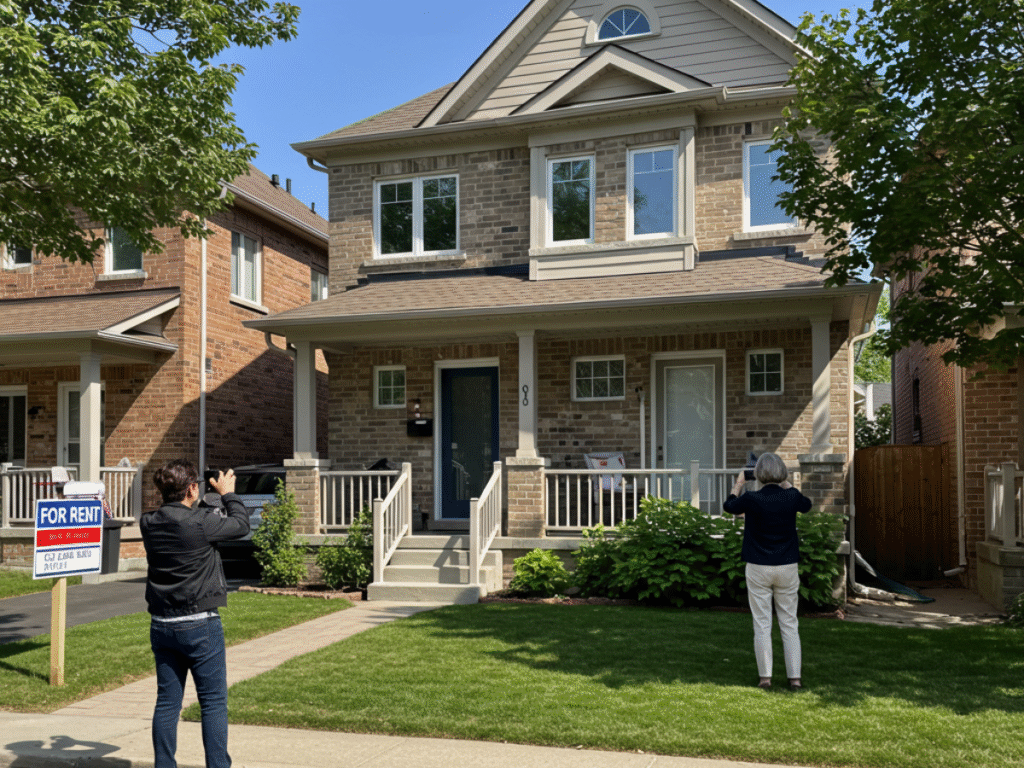
Learning how to market your rental property effectively is essential for reducing vacancy periods and attracting reliable, high-quality tenants. In today’s competitive real estate market, landlords must go beyond simply listing a property—they need a smart, well-rounded marketing strategy. With the right approach, you can improve visibility, reach the right audience, and fill vacancies faster. Understanding how to market your rental property in today’s context is vital. Whether you’re self-managing or working with experts like Property Management Partners, these proven strategies will help you present your rental in the best light and secure great tenants. 1. Craft Listings That Sell: Highlight What Makes Your Rental Unique Your listing is your property’s first impression—make it count. When deciding how to market your rental property, focus on more than just the number of bedrooms or square footage. Mention features that stand out, such as stainless steel appliances, updated flooring, in-unit laundry, or pet-friendly policies. Highlight nearby conveniences like public transit, schools, shops, or green spaces. Consider various methods of how to market your rental property effectively. Strong, descriptive language combined with accurate details increases click-throughs and inquiries. 2. Use SEO and Digital Marketing to Your Advantage Optimizing your rental listing for search engines is a key component of successful digital marketing. Use location-based keywords like “2-bedroom apartment in Toronto” or “pet-friendly rentals in Mississauga.” Post your listings on trusted platforms such as Zillow, Zumper, and Facebook Marketplace. Using these techniques on how to market your rental property can significantly enhance results. Don’t forget your website. If you have one, keep it updated and use optimized blog content (like this!) to improve visibility. A digital presence helps tenants find you when searching for rentals in their area. 3. Include Professional Photos and Virtual Tours First impressions matter. High-quality images and 360° virtual tours increase engagement and can lead to quicker rentals. Professional photography makes your property stand out among similar listings. Virtual tours also appeal to tenants relocating from other cities or those with busy schedules. They reduce no-shows and pre-screen interest more effectively than photos alone. 4. Price It Right Based on Market Data Overpricing a rental can deter good tenants; underpricing can reduce your ROI. Research comparable rentals in your area to understand current market conditions. Tools like Rentometer and Zillow Rent Zestimate can help. Offering incentives (like one free month or no security deposit) can also make your property more attractive—especially in a competitive market. When evaluating how to market your rental property, research is key. 5. Use Property Management Tools for Streamlined Marketing If you’re juggling multiple properties, property management software can save you time and stress. These platforms help you manage listings, tenant applications, screening, and follow-ups. They also make it easier to schedule showings, collect payments, and store documents—all in one place. Employing tools can aid in how to market your rental property more effectively. This improves tenant experience and makes you look more professional. 6. Be Responsive and Proactive With Inquiries Speed matters. Quick replies to prospective tenants show that you’re reliable and respectful of their time. Answer questions, offer flexible viewing options, and provide necessary documentation fast. This responsiveness gives you a competitive edge and helps build early trust. 7. Grow and Manage Your Online Reputation Prospective tenants read reviews just like they would for any product or service. Encourage happy tenants to leave positive reviews on Google, Yelp, or rental listing sites. Respond politely to negative feedback and resolve complaints quickly. Managing reviews is a crucial part of how to market your rental property. Having a solid online reputation makes future marketing efforts easier and improves overall credibility. Final Thoughts If you want to know how to market your rental property in a way that gets results, follow a holistic approach: write compelling listings, price competitively, use digital tools, and respond quickly to tenant interest. A positive online reputation adds long-term value and helps ensure a consistent stream of reliable tenants. Ultimately, knowing how to market your rental property is a continuous learning process. For landlords in Ontario, Property Management Partners offers expert support to help you list, manage, and maintain your rentals with confidence. Contact us now!
Rental Property Maintenance: 10 Tips to Keep Your Investment Strong

Rental property maintenance is one of the most important responsibilities for any landlord or property owner. Whether you own a single-family home or multiple rental units, keeping your property in excellent condition protects your investment, boosts tenant satisfaction, and reduces unexpected expenses. Many property owners in Ontario trust professionals like Property Management Partners to handle routine upkeep and tenant communications efficiently. But even if you’re managing things yourself, these essential tips will help you stay on top of your responsibilities. Effective rental property maintenance not only safeguards your property’s physical condition but also plays a key role in maintaining positive tenant relationships. When tenants see that their concerns are addressed quickly and that the property is well-maintained, they’re more likely to renew their lease—reducing turnover and vacancy rates. Additionally, properties in excellent condition command higher rental prices and attract better-quality applicants. From seasonal upkeep to emergency repairs, having a proactive maintenance plan in place allows landlords to stay ahead of problems, reduce long-term expenses, and protect their reputation in a competitive rental market. 1. Rental Property Maintenance Starts with Regular Inspections Conduct property inspections every 3–6 months. This helps identify wear and tear, plumbing issues, leaks, pest problems, and more before they become expensive repairs. Regular inspections also ensure that tenants are following lease terms and taking care of the property. 2. Prioritize HVAC Servicing Include HVAC servicing as a standard part of your rental property maintenance checklist. Replace filters every 2–3 months, clean air ducts yearly, and get the entire system professionally inspected at least once a year to maximize energy efficiency and tenant comfort. 3. Check and Maintain Plumbing Systems Leaks, clogs, and water damage are common and costly issues. Look under sinks, around toilets, and near water heaters for signs of moisture. Prevent mold and long-term damage by fixing small plumbing problems immediately. 4. Don’t Neglect Roofing and Gutter Maintenance Roof issues can be hard to spot but cause major damage. Schedule seasonal roof checks and clear out gutters regularly. Clogged gutters can lead to foundation problems and indoor water damage, especially in older buildings. 5. Improve Curb Appeal with Landscaping Well-maintained landscaping is essential for attracting new tenants. Trim overgrown trees and shrubs, remove weeds, and ensure proper drainage around the foundation. A neat yard sends a strong message about how well the property is cared for. 6. Install and Inspect Safety Devices Ensure smoke detectors and carbon monoxide alarms are working in all units. Test them regularly and replace batteries every 6 months. Your rental property maintenance plan should also include checking fire extinguishers and updating emergency contact info. 7. Maintain Interior Finishes Scuffed walls and damaged flooring can make your rental look worn. Touch up paint between tenancies and replace old carpet or cracked tiles. Use durable, neutral finishes that can withstand wear while keeping the space appealing. 8. Service Appliances Frequently Inspect all major appliances—refrigerators, stoves, washers, dryers, and dishwashers. Clean lint traps, check seals, and ensure they’re functioning safely. Replacing faulty appliances quickly shows tenants that you care about their comfort and safety. 9. Secure the Property Security plays a big role in tenant retention. Check door and window locks often. Consider smart locks, video doorbells, or motion lights for added protection. These upgrades make tenants feel safer and boost property value. 10. Act Fast on Tenant Maintenance Requests Encourage tenants to report issues right away. The faster you respond, the less likely small concerns will become costly repairs. A good communication system builds trust and reduces turnover. Why Rental Property Maintenance Matters Staying on top of rental property maintenance ensures your asset holds its value and tenants remain satisfied. A clean, functional, and secure property attracts reliable tenants, prevents legal issues, and increases return on investment. For expert help in managing your rental property, consider working with Property Management Partners. Their full-service solutions save landlords time and provide peace of mind. Contact us today! External Resource: Learn more about landlord responsibilities in Ontario at Ontario.ca’s official Landlord Guide.
