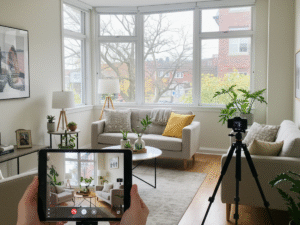
Furnishing a rental property can be a significant investment decision. Whether to offer your property furnished or unfurnished depends on various factors, and both options have their pros and cons. Here’s a detailed look at what you should consider when making this decision.
Benefits of Renting Out a Furnished Unit
1. Higher Rent Potential: Furnished properties often command 25 to 50% more in rent compared to unfurnished ones. On average, this could mean an extra $400 per month, amounting to an additional $4,800 annually. However, it’s important to remember that higher rents can sometimes lead to shorter tenancy durations.
2. Appeal to Short-Term Renters: If you aim to attract tenants looking for short-term leases (typically 6-12 months), a furnished unit is more appealing. Renters in transition, such as traveling professionals or students, prefer furnished options to avoid the hassle of moving furniture.
3. Quicker Rental Process: Furnished properties can be rented out more quickly since tenants save time and effort associated with furnishing. This is especially beneficial for first-time renters who might find it daunting to furnish a whole apartment from scratch.
4. Enhanced Respect and Care: A well-styled apartment can command respect and better care from tenants, reducing the likelihood of property damage.
5. Reusability of Furnishings: At the end of a lease, the furniture can be reused in other properties or kept for personal use, providing flexibility for property owners.
6. Tax Benefits: Furnished rental property allow for deductions on the cost of goods, potentially lowering your taxable income.
Benefits of Renting Out an Unfurnished Unit
1. Longer Tenancy: Tenants who furnish their spaces tend to stay longer as they have customized the area to their liking. Unfurnished properties appeal to tenants planning to stay for a more extended period, often making them more stable.
2. Tenant Satisfaction: Allowing tenants to design their own space can lead to higher satisfaction, as they create a home that meets their personal tastes and needs.
3. Reduced Liability: Without the responsibility of providing furniture, landlords do not need to concern themselves with furniture insurance.
4. Less Wear and Tear: Unfurnished properties mean the landlord doesn’t have to worry about furniture wear and tear, reducing maintenance management efforts.
5. Lower Costs: There are no carrying costs for maintaining and replacing furniture, and tenants are usually responsible for utilities and other services, unlike in furnished rentals where these costs are often covered by the rent.
6. Longer Leases, Less Turnover: Unfurnished units typically attract tenants looking for one-year leases or longer, thus minimizing tenant turnover and ensuring stability.
7. Simplified Management: With less frequent tenant turnover, managing an unfurnished property requires less effort, saving time and resources.
What’s Best for You?
The decision between furnishing or not largely depends on your property’s location and target demographic. Smaller properties near city centers may benefit from being furnished, attracting younger, mobile tenants who value convenience. On the other hand, larger houses or apartments are often better left unfurnished, appealing to older tenants or families who have accumulated their furniture over time.
It’s crucial to conduct thorough market research to understand your prospective renters and weigh the benefits against the costs. If your goal is to reduce vacancies, attract and retain quality tenants, and improve cash flow, consider both options carefully to make the most strategic decision for your property.
For personalized assistance and to learn more about optimizing your rental strategy, consider consulting property management experts.
Maximize your rental income with expert advice, connect with Property Management Partners to choose the best furnishing strategy for your property today.