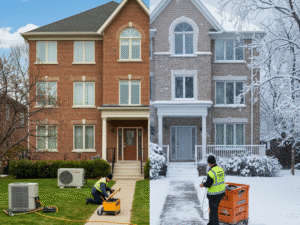
Essential Tips for Successful Landlord Management
Being a landlord comes with its own set of challenges and responsibilities. To help you navigate these responsibilities effectively and maximize your investment, consider these essential tips:
Understanding the intricacies of being a landlord is vital for anyone entering the property market. The responsibilities stretch beyond just collecting rent; they encompass legal obligations, property maintenance, and tenant relations. New landlords may find the landscape daunting, but with a solid understanding and the right strategies, it can become manageable and rewarding. Knowledge of the rental market, local regulations, and best practices in property management can empower landlords to make informed decisions.
- Non-Payment Notices: Always issue notices for non-payment of rent promptly. It’s important to adhere to this protocol regardless of tenant assurances.
Non-payment of rent can lead to significant financial strain. Ensure that you have a clear process for issuing notices, which should include a specific timeline for when the notice is served and when action may be taken if rent is not received. Understanding the eviction process in your area is crucial, as this can vary widely. Consider offering flexible payment plans or temporary solutions for tenants facing genuine financial difficulties, as this can build goodwill and encourage timely payments in the future.
- Move-In Inspections: Conduct thorough move-in inspections, complete with reports and photographs, to document the initial condition of the property.
Move-in inspections serve as a protective measure for both landlord and tenant. Documenting the property’s condition with photographs and written reports can prevent disputes when tenants move out. Discuss any pre-existing damages with the tenant to clear any misunderstandings. Additionally, consider providing a checklist for tenants to sign off on, ensuring they acknowledge the property’s state upon moving in.
- Regular Property Inspections: Schedule periodic inspections to ensure your property is well-maintained and to address any issues early.
Regular property inspections not only help maintain the property’s condition but also foster a positive relationship with tenants. Schedule these inspections at reasonable intervals and communicate openly with tenants regarding the purpose. This will help them prepare and alleviate any concerns they may have about privacy or disturbances.
- Furnace Maintenance: Regularly change furnace filters, as tenants may overlook this essential maintenance task.
Furnace maintenance is an often-overlooked aspect of property management. Educate tenants about the importance of changing the furnace filters regularly, and consider providing a guide or schedule. You might also want to conduct seasonal checks to ensure heating systems are functioning efficiently before winter sets in, preventing emergency repair situations.
- Annual Rent Increases: Implement annual rent increases where applicable to reflect market conditions and maintain income.
Annual rent increases should reflect the local rental market trends and cost of living adjustments. It’s essential to communicate the rationale behind any increase to tenants to maintain transparency and trust. Providing a written notice well in advance of the renewal date can also demonstrate professionalism and respect for tenants’ financial planning.
- Energy Efficiency Improvements: Upgrade lighting in common areas and consider low-flow toilets to reduce energy costs and receive possible rebates.
Investing in energy efficiency improvements not only reduces operational costs but can also enhance tenant satisfaction. When upgrading features, consider tenant preferences and seek their input to make informed decisions. Providing information about potential rebates for energy-efficient upgrades can also be a valuable incentive for tenants to accept these changes.
- Tenant Screening: Use proper screening methods to avoid problematic tenants by examining credit scores, employment verification, and past rental history.
Proper tenant screening is critical to long-term landlord success. Develop a comprehensive screening process that includes background checks and interviews. Consider integrating technology to streamline this process, such as online applications that facilitate quicker responses and enhance applicant tracking.
- Communication with Tenants: Encourage open communication with tenants. Happy tenants usually mean fewer conflicts and issues.
Effective communication is the backbone of a successful landlord-tenant relationship. Establish preferred communication channels, whether through email, phone, or messaging apps, and encourage feedback. Regularly scheduled check-ins can also demonstrate your commitment to tenant welfare and foster a sense of community.
- Proper Documentation: Require written maintenance requests from tenants to ensure that all communications are documented.
Documenting maintenance requests is essential for accountability. Develop a formal request system for tenants to use, which not only tracks issues but also documents how and when they were resolved. This can be invaluable evidence in the case of disputes regarding property maintenance responsibilities.
- Financial Management: Allocate a portion of your rental income, typically around 10%, for property management to alleviate stress and manage finances effectively.
Financial management should encompass not only property management costs but also future investments. Creating a detailed budget that allocates funds for emergency repairs, upgrades, and market analysis can help landlords remain ahead of potential costs and maximise income from their properties.
- Understand Legal Obligations: Familiarize yourself with your local Residential Tenancy Act (RTA) to understand your rights and obligations, such as handling deposits and tenant notices.
Understanding your legal obligations extends beyond the RTA. Regularly update your knowledge on local laws and regulations, as they can change frequently. Attending workshops or joining local landlord associations can keep you informed and provide support networks for when challenges arise.
- Prepare for Emergencies: Be ready for late-night emergencies by having a plan and essential contacts, such as plumbers or electricians, on hand.
Having a plan for emergencies is vital. Create a contact list of reliable service providers and establish a protocol for tenants to follow during emergencies. Regularly review and update this list to ensure it remains current and effective. Providing tenants with an emergency contact card can also be beneficial.
- Utility Management: Ensure utilities are in the tenant’s name. This prevents complications if tenants default on payments. It’s illegal for landlords to disconnect utilities to pressure tenants.
Utility management should be clearly communicated in the lease agreement. Consider including guidelines on what happens if utilities are not maintained, as well as the responsibilities of both parties. This ensures clarity and reduces potential conflicts regarding utility payments.
- Maintenance Readiness: Keep space heaters for emergency use if your furnace breaks down and regularly check for water leaks to prevent mold and structural damage.
Maintenance readiness includes not just space heaters but also ensuring that all emergency equipment is operational. Conduct regular checks on smoke detectors, carbon monoxide alarms, and fire extinguishers to ensure compliance with safety regulations and peace of mind for tenants.
- Lease Terms and Renewals: Clearly outline lease obligations to tenants and make sure they understand renewal terms, including rent hikes.
Lease terms should include a clear outline of penalties for breaking the lease, as well as the process for terminating the lease. This transparency helps tenants understand their responsibilities and the consequences of their actions, leading to a more responsible tenant base.
- Property Investments: Consider enhancements such as solar panels or energy-efficient appliances to lower costs and increase property value.
When considering property investments, conduct thorough research on current market trends and tenant preferences. This will help you make strategic decisions that not only improve property value but also meet the needs of your tenants, fostering long-term rentals and stability.
- Time Management: Being a landlord can feel like managing a second job, and it requires effective time management and planning.
Time management is crucial as a landlord, especially when juggling multiple properties. Consider using property management software to streamline tasks such as rent collection, maintenance scheduling, and tenant communication, allowing you to focus on growth and enhancement of your property portfolio.
- Professional Assistance: Hiring a property manager can help with tenant relations, maintenance, and achieving financial goals.
Professional assistance can range from hiring property management firms to consulting with legal experts. Ensure you choose professionals with a solid reputation in the industry to gain the best advice and support, which can save you time and money in the long run.
- Dealing with Municipalities: Be aware of local municipal charges, such as extra fees for utilities mailed to tenants or fines related to snow removal.
Dealing with municipalities entails understanding local building codes and regulations. Staying compliant can prevent costly fines and ensure your properties are always legally up to standard. Engage with local councils to stay informed about changes that may affect your properties.
- Exterior and Common Area Maintenance: Regularly maintain the exterior, such as clearing snow and cleaning common areas, to avoid city fines and keep the property attractive.
Exterior maintenance should also include landscaping and upkeep of outdoor amenities, as these can greatly influence tenant satisfaction and retention. Consider seasonal clean-ups and regular evaluation of common areas to enhance the overall appeal of the property.
- Long-Term Investments: Investing smartly in repairs and renovations can enhance property value and attract quality tenants over time.
Long-term property investments often yield better returns than short-term gains. Focus on building a robust portfolio by reinvesting profits into high-demand areas or emerging markets that show potential for appreciation over time.
Implementing these strategies will enable you to manage your rental properties more effectively, fostering positive relationships with tenants and ensuring your investment remains both profitable and hassle-free. A proactive approach and continuous learning are essential. Stay current with trends and changes in the property market, and always be prepared to adapt your strategies for success as a Landlord.
Want to be a successful landlord? Contact us today for expert property management tips that will help you maximize your investment, maintain tenant satisfaction, and reduce stress!